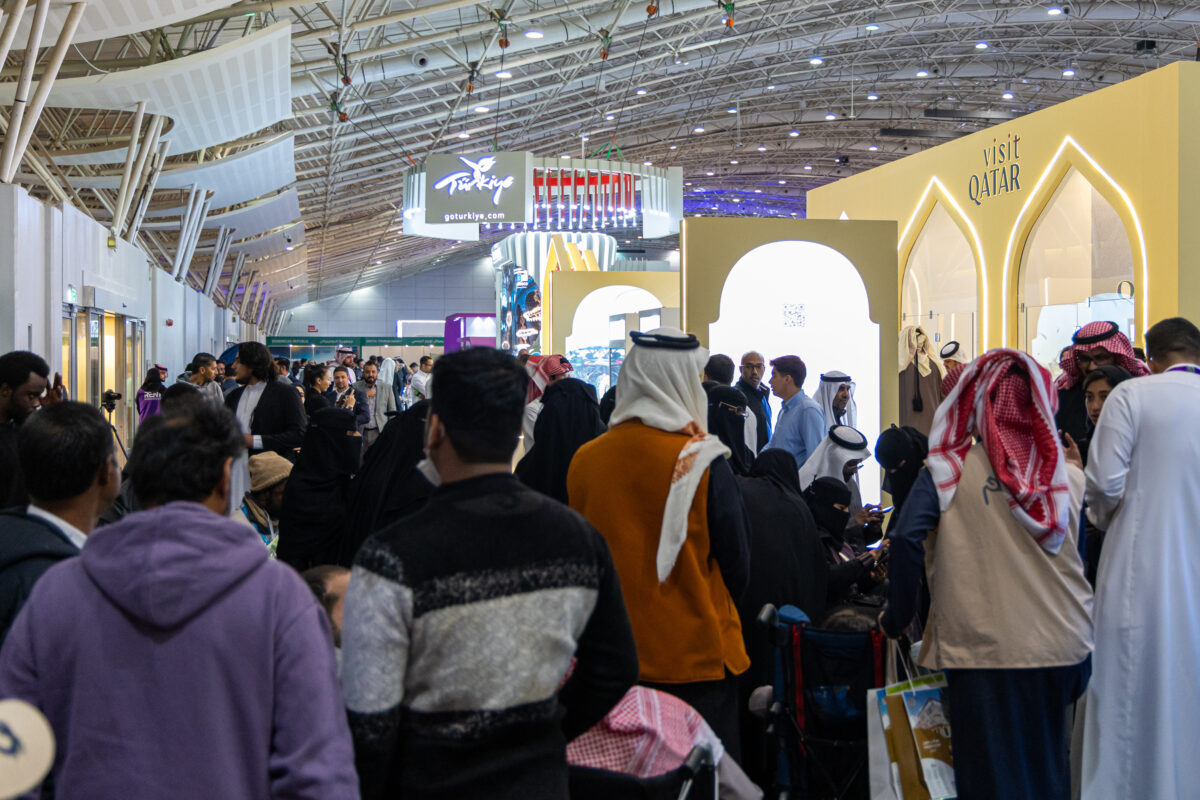

STM 2026 represents a pivotal inflection point for the Middle East and North Africa (MENA) region’s economic diversification strategy, particularly through Saudi Arabia’s leveraging of sovereign capital to catalyze tourism as a strategic pillar of Vision 2030. The event’s scale—hosting over 300 exhibitors and 10,000+ attendees—underscores the region’s growing capacity to attract global investment in tourism infrastructure and services. This aligns with sovereign efforts to repurpose capital traditionally tied to hydrocarbon revenues into high-yield, non-oil sectors. For instance, the participation of state-backed entities like Visit Qatar and TGA signals a coordinated push to consolidate MENA’s tourism offerings, reducing dependence on volatile oil markets. Investors, including sovereign wealth funds, are likely to view STM 2026 as a barometer for regional progress in building scalable, tech-enabled tourism ecosystems. The event’s emphasis on digital transformation—evident in RezLive’s showcase of cloud-based travel tech—also highlights emerging opportunities for venture capital (VC) firms targeting fintech and AI-driven solutions tailored to regional markets.
The business implications of STM 2026 extend beyond networking to tangible economic ramifications for MENA. For local enterprises, the exhibition offers a critical platform to penetrate global supply chains, particularly in hospitality, logistics, and travel tech. Regional players specializing in sustainable tourism or fintech-enabled travel agents are poised to attract significant venture capital, given global trends favoring ESG-aligned investments. Meanwhile, sovereign capital from Saudi Arabia is expected to flow into infrastructure projects tied to the event, such as expanding Riyadh’s convention centers or enhancing cross-border connectivity. This could trigger a domino effect, with other Gulf states following suit to position themselves as regional tourism hubs. However, the success of such initiatives hinges on addressing regional infrastructure gaps—particularly in digital visa systems and transportation networks—that are prerequisites for large-scale B2B engagements. The event’s focus on cross-border partnerships may also accelerate VC funding in regional arbitrage plays, such as tech-enabled travel aggregators or carbon-offset programs aligned with sustainability mandates.
Regional infrastructure development will be both a beneficiary and a prerequisite for STM 2026’s long-term impact. The exhibition’s concentration in Riyadh, while strategic, risks exacerbating imbalances in MENA’s tourism infrastructure, where peripheral Gulf states lag in digital and physical connectivity. Sovereign investment in event infrastructure—such as the Riyadh International Convention & Exhibition Center’s capabilities—must be accompanied by broader investments in digital visa platforms, high-speed rail networks, and green energy grids to support year-round tourism growth. From a capital allocation perspective, STM 2026 could serve as a test case for MENA’s readiness to attract cross-border investment through policy harmonization and public-private partnerships. The presence of global tech firms at the event may also catalyze VC interest in regional tech hubs, particularly in areas like blockchain for loyalty programs or machine learning-driven demand forecasting. Ultimately, STM 2026’s success will be measured not merely in visitor numbers but in its ability to institutionalize MENA’s integration into global tourism value chains, thereby reshaping sovereign capital flows and VC risk appetites in the region.