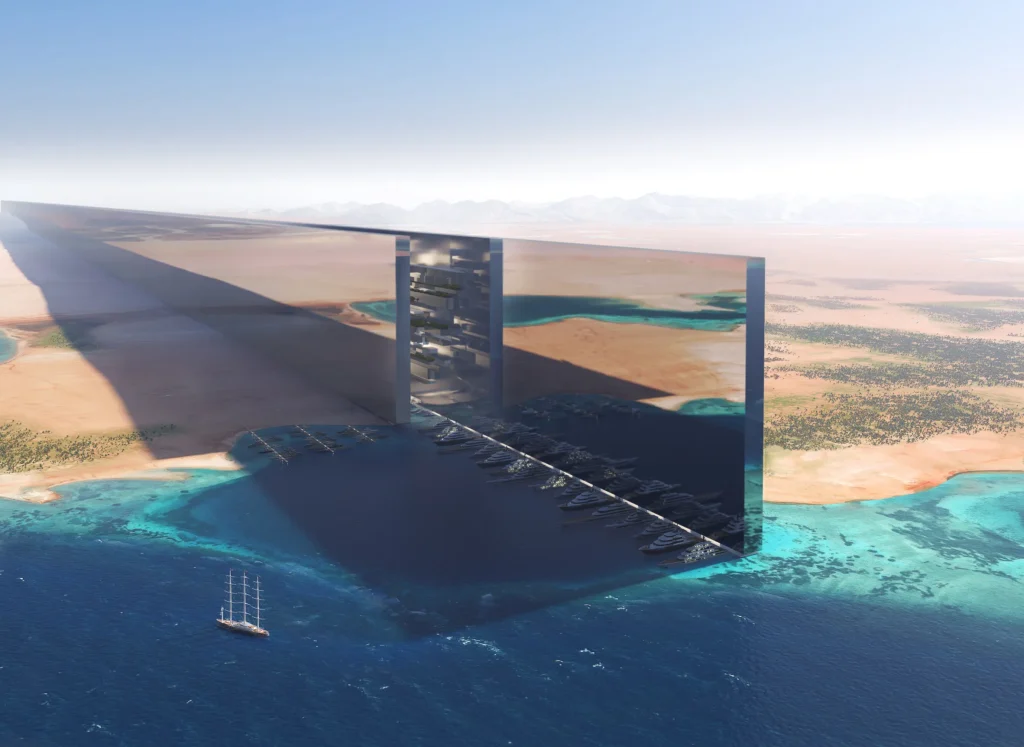

Theannounced scaling back of Saudi Arabia’s The Line project signals a fundamental recalibration of sovereign capital deployment, with the state redirecting billions of dollars from a flagship urban megacity toward high‑value digital infrastructure. This pivot reflects Riyadh’s intent to leverage its sovereign wealth reserves to attract private‑sector investment while mitigating exposure to the escalating cost base of the original 170‑kilometer mirrored corridor.
The shift opens a strategic window for venture capital and institutional investors to engage with NEOM’s emerging data‑center ecosystem, particularly through partnerships such as the $5 billion agreement with DataVolt in Oxagon. By positioning large‑scale computing facilities as core commercial assets, the kingdom is creating a pipeline of bankable projects that can deliver early cash flows, thereby meeting the fiscal targets of Vision 2030 and stabilising the broader investment thesis for NEOM.
Regionally, repurposing portions of The Line for AI‑enabled logistics, cloud services, and research hubs amplifies the strategic value of the Red Sea corridor, where abundant seawater enables energy‑efficient cooling and cuts operational expenditures for data centers. The geography also shortens latency to Europe, Asia, and Africa, enhancing the hub’s appeal as a global data‑exchange node and fostering ancillary growth in telecom, cybersecurity, and edge‑computing sectors.
From an infrastructure perspective, the recalibrated NEOM portfolio illustrates a more pragmatic approach to megaproject execution—prioritizing modular, revenue‑generating components over monolithic urban concepts. This recalibration may serve as a blueprint for other MENA initiatives, balancing ambitious vision with fiscal realism while unlocking sovereign returns and attracting diversified capital into the region’s digital backbone.