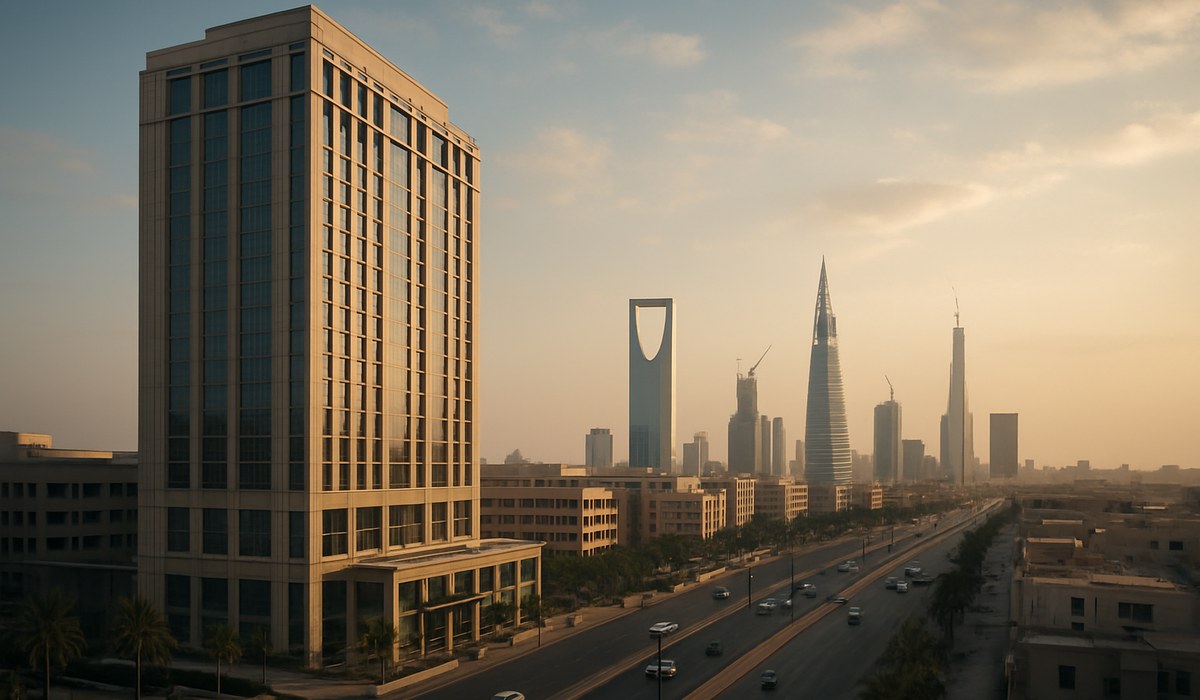

Within the evolving economic landscape of the Middle East and North Africa, Saudi Arabia has emerged as a pivotal player in shaping the future of corporate accommodation through a substantial $1 billion investment in mid-market and select-service business hotels. This strategic reallocation targets key urban centers such as Riyadh, Jeddah, and Dammam, where Vision 2030’s ambitious infrastructure projects are generating sustained demand for affordable yet functional accommodation for business travelers. The initiative represents a calculated response to the pronounced shortage in affordable corporate lodging, reflecting a broader understanding of market need that transcends luxury positioning.
The concentration of business travel activity in Riyadh underscores a significant shift in corporate accommodation dynamics. Executive and mid-tier travelers now account for over 40% of corporate bookings in these financial districts, a marked increase from prior cycles driven by increased project workforce size and government-sponsored MICE initiatives. The ripple effects of this demand are evident in the rapid deployment of compact hotel formats featuring standardized room designs, robust connectivity, and integrated workspaces. Unlike prior eras dominated by grandiose structures, today’s strategic investments prioritize efficiency and cost-effectiveness without compromising the essential amenities required by corporate clients.
Mid-market hotels, defined by their competitive pricing and modular designs, are positioned to capture this surge in demand. By leveraging joint ventures between global hospitality leaders and local Saudi stakeholders, developers are not only mitigating project risk but also integrating cultural and regulatory expertise into venture execution. These collaborative frameworks are instrumental in positioning international brands like Accor, IHG, and Marriott as integral components of Saudi business travel ecosystems, ensuring service reliability while enhancing brand prestige in a home-grown market.
The strategic infusion of capital extends beyond mere construction, embedding long-term stability into Saudi Arabia’s commercial infrastructure. Business travelers are now expected near activity zones—be it financial districts, convention centers, or industrial corridors—demanding infrastructure that supports not just lodging, but seamless integration into project timelines. This business-centric vision is driving a measurable shift in the regional hospitality sector, encouraging developers to rethink traditional development paradigms.
Investment flows are concentrated in secondary cities, aligning with Vision 2030’s objective to diversify beyond oil-driven economies. These urban centers are experiencing accelerated interest in business-class accommodation, fueled by growing MICE activity and private sector expansion. As a result, Saudi Arabia is transitioning from a regional business hub into a competitive MICE destination, supported by tangible infrastructure that directly addresses the operational demands of corporate travelers.
This business realignment signals a structural recalibration of Saudi Arabia’s economic landscape—one that promises sustainable growth, diversified revenue streams, and a redefined role for the MENA region in the global corporate hospitality sphere.