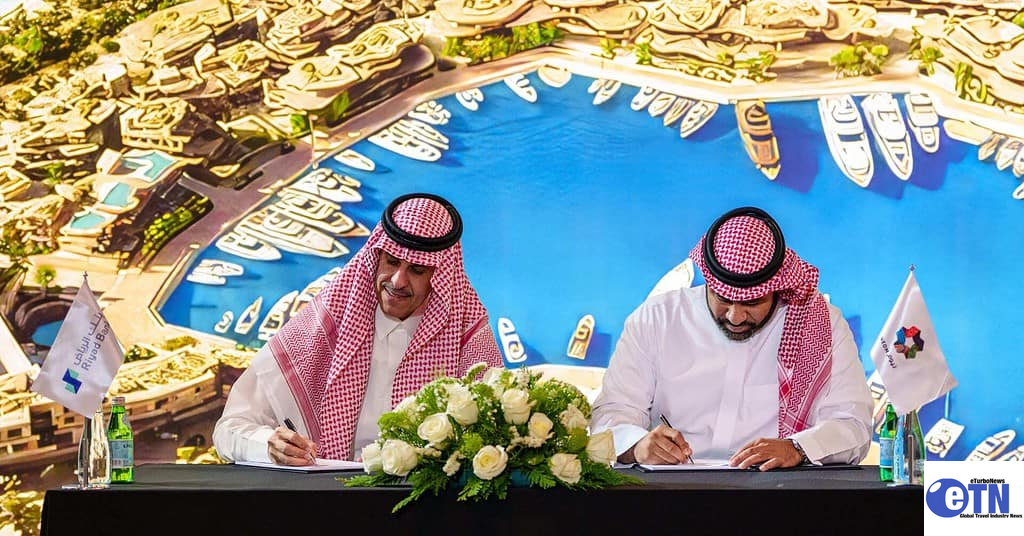

Saudi Arabia’s abrupt cancellation of key construction contracts for NEOM marks a significant recalibration of the region’s most ambitious mega-project, sending clear signals about the constraints facing Vision 2030’s financing model. The decision halts critical infrastructure development for The Line—a cornerstone of the $500 billion development—reflecting a strategic pivot amid rising construction costs and heightened geopolitical risks that have fundamentally altered the investment calculus for Saudi sovereign capital. This retreat underscores the kingdom’s capacity reassessment as it allocates finite resources between competing imperatives, potentially dampening foreign investor confidence in the Gulf’s long-term infrastructure ambitions.
The sovereign implications extend beyond Saudi Arabia, reshaping regional investment strategies across MENA as fund managers reassess exposure to Gulf mega-projects amid growing uncertainty. With oil revenues stretched across multiple high-profile initiatives including Expo 2030 and economic diversification efforts, Riyadh’s resource allocation choices will reverberate throughout regional venture capital flows, potentially accelerating a shift toward more incremental, economically rational development. Saudi Arabia’s hesitation on NEOM may signal a broader region-wide reassessment of capital deployment timelines, as Gulf sovereign wealth funds recalibrate exposure to speculative ventures in favor of infrastructure with clearer financial returns.
Regionally, the NEOM restructuring carries profound implications for MENA’s infrastructure development trajectory, potentially accelerating a shift from visionary super-projects toward pragmatic sector-specific investments in logistics, data centers, and targeted tourism. As Saudi Arabia moderates its most ambitious ambitions, competing regional economies may capitalize on the resulting investment vacuum, while venture capital previously directed toward Gulf mega-projects increasingly flows toward alternative MENA markets with greater perceived political stability and shorter development horizons. The recalibration exemplifies how even the most heavily capitalized sovereign investment portfolios cannot entirely insulate themselves from regional geopolitical realities, forcing a fundamental rethinking of development financing across the Gulf.