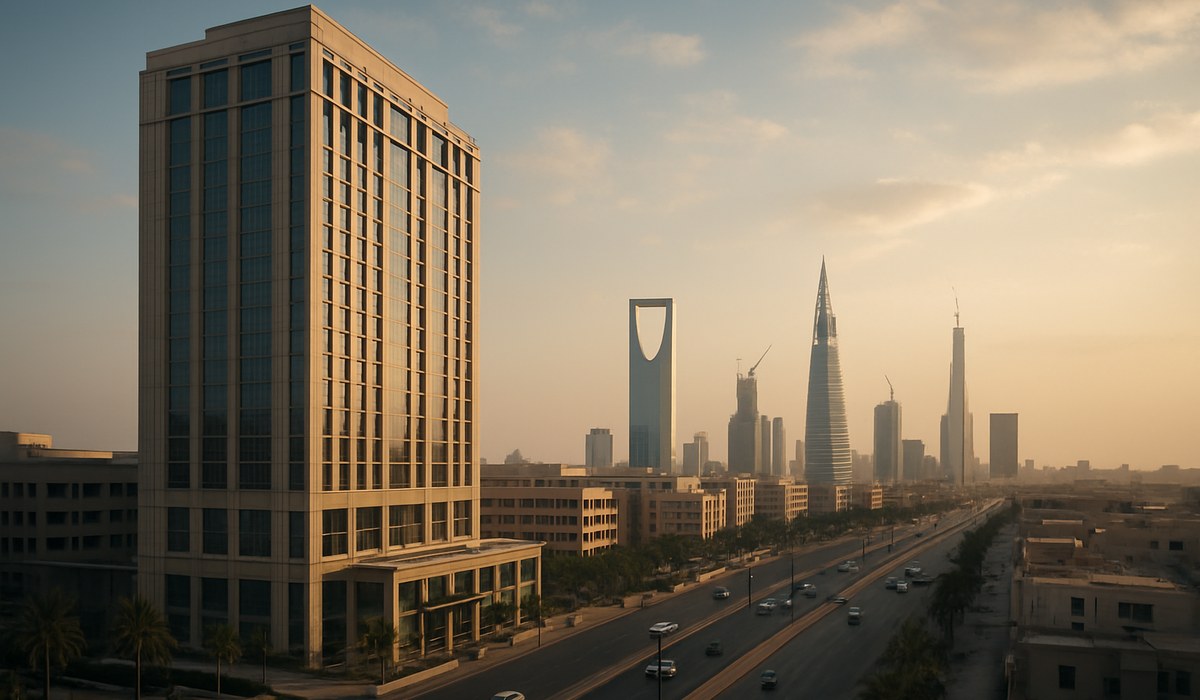

Saudi Arabia is implementing a $1 billion capital injection into the mid-market and select-service hotel sector, a strategic move aimed at alleviating a persistent accommodation deficit for corporate travelers across Riyadh, Jeddah, and Dammam. This initiative directly confronts a structural imbalance in affordable lodging within the Kingdom’s key commercial hubs, a challenge exacerbated by the rapid growth spurred by Vision 2030 infrastructure projects and a surge in meetings, incentives, conferences, and exhibitions (MICE) activity. Unlike recent, predominantly luxury-focused hotel development, this investment prioritizes functional, efficient properties tailored to the needs of project teams, consultants, and frequent business visitors seeking value-oriented stays close to commercial centers and transportation networks.
The expansion of corporate travel in Riyadh is particularly noteworthy, with mid-market hotel supply now lagging significantly behind demand, leading to upward pricing pressures and booking complexities. Global distribution systems and travel management companies report a marked increase in business travel originating from construction firms, engineering consultancies, and professional services firms engaged in government-led Vision 2030 initiatives. These companies often prioritize cost-effective accommodation options below the premium segment, creating a clear need for enhanced mid-range hotel inventory. This supply-demand dynamic has positioned Riyadh as an attractive location for developers, prompting feasibility studies for new business-class properties. Recent market analyses indicate robust occupancy rates for standardized mid-market hotels offering key amenities like strong WiFi and dedicated workspaces, underscoring the market’s readiness for expansion. Data from Expedia corroborates this trend, highlighting the growing preference of business travelers for properties strategically located near meeting venues and project sites.
The $1 billion investment strategy favors two primary property formats: compact mid-market select-service hotels and apartment-style extended-stay concepts. Mid-market hotels, typically ranging from 120 to 200 rooms, offer efficient floor plans, streamlined F&B options, and premium business amenities such as 24-hour business centers and meeting pods. This standardized design approach contributes to cost efficiencies in construction, typically reducing costs by 30-40% compared to full-service counterparts. Complementing this is the development of extended-stay properties, particularly in Jeddah and emerging industrial zones near Riyadh, providing kitchenette-equipped units, on-site laundry, and communal workspaces for longer-term assignments. Investment in these formats is largely facilitated through joint ventures between local Saudi developers and international hospitality groups, fostering risk sharing and brand expansion. Leading global hotel chains like Accor, IHG, and Marriott are actively launching mid-market properties in the coming years, aiming to capitalize on the anticipated growth in corporate travel. This collaboration model is crucial for international brands to penetrate the regional market while leveraging local market expertise and navigating regulatory frameworks.
Saudi Arabia’s strategic emphasis on MICE tourism and the ambitious scope of Vision 2030 projects are directly fueling the demand for business hotels. The Kingdom’s commitment to hosting over 150 major international events annually by 2028 is driving a need for centrally located accommodation near convention centers and airports. The expansion of convention infrastructure in both Riyadh and Jeddah further underscores this trend. Moreover, the vast array of Vision 2030 mega-projects across various sectors – energy, logistics, culture, and sports – are generating consistent flows of executive and technical specialists requiring readily accessible accommodation. This preference for functional lodging near project sites, rather than resort amenities, is incentivizing the development of business hotels in secondary commercial nodes. Industry projections anticipate sustained corporate travel demand through 2030, with project teams and MICE segments representing the majority of incremental bookings. The strategic decentralization efforts inherent in Vision 2030 are also catalyzing corporate travel within Saudi Arabia’s secondary cities and emerging economic hubs, creating new opportunities for business hotel development and diversifying the regional hospitality landscape.