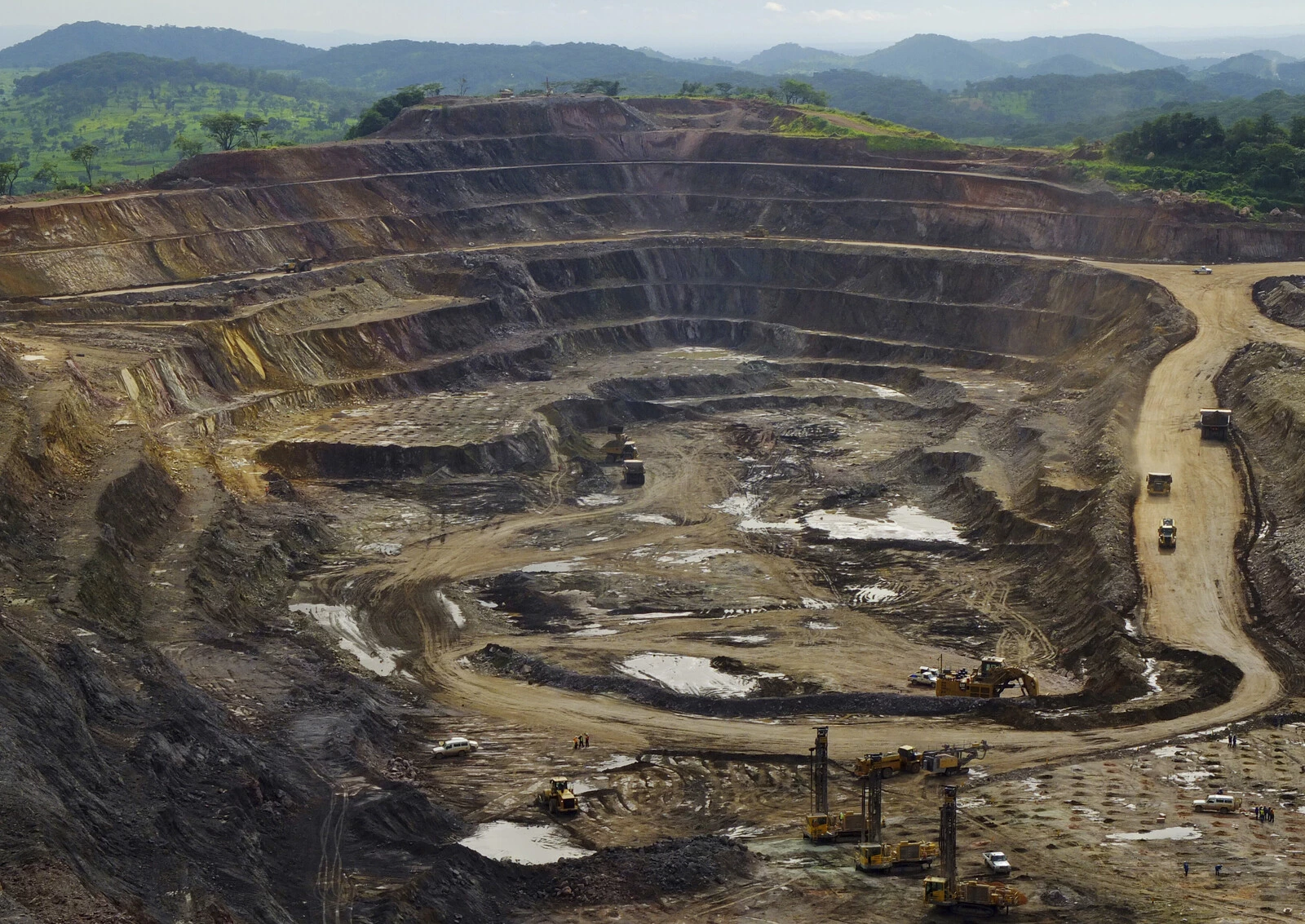

Saudi Arabia’s ambitious diversification strategy, driven by Vision 2030, is now extending beyond domestic oil production to encompass a significant and strategically vital focus on securing access to critical minerals sourced primarily from African nations. Reports indicate a concerted effort to bolster the Kingdom’s burgeoning electric vehicle (EV) sector and its broader clean energy initiatives, necessitating a reliable and diversified supply chain for lithium, cobalt, nickel, and other essential elements. This represents a fundamental shift in the region’s geopolitical and economic priorities, with potentially far-reaching consequences for both the Middle East and the African continent.
The implications for sovereign capital are considerable. Saudi Arabia’s Public Investment Fund (PIF) is already deploying substantial capital into African mining projects, signaling a willingness to directly invest in resource extraction. However, the strategy also necessitates the development of sovereign wealth funds within African nations themselves, fostering greater regional financial stability and attracting further international investment. Simultaneously, we anticipate increased scrutiny from Western governments regarding ethical sourcing and responsible mining practices, potentially leading to the establishment of international standards and frameworks that African producers must adhere to – a challenge requiring proactive engagement and capacity building.
Venture capital activity in the African critical minerals space is poised for exponential growth. The PIF’s involvement is expected to catalyze a wave of private investment, particularly in early-stage exploration and development projects. However, significant infrastructure gaps remain – inadequate rail networks, port capacity limitations, and unreliable power supplies – representing substantial barriers to entry. Addressing these deficiencies will require coordinated investment from both regional and international sources, alongside targeted government support to accelerate project timelines and reduce operational costs. Furthermore, the development of localized processing facilities within Africa is crucial to minimize reliance on export and maximize value-added within the continent.
Ultimately, Saudi Arabia’s pursuit of African critical minerals will reshape the regional landscape. Beyond the immediate economic benefits, it underscores a broader trend of Middle Eastern diversification and a recognition of Africa’s burgeoning resource wealth. The success of this strategy hinges on fostering mutually beneficial partnerships built on transparency, sustainable practices, and long-term investment. Failure to address the inherent challenges – geopolitical risk, regulatory uncertainty, and infrastructure deficits – could undermine the initiative and exacerbate existing inequalities. The next 18 months will be critical in determining whether this represents a genuine paradigm shift or a fleeting strategic maneuver.