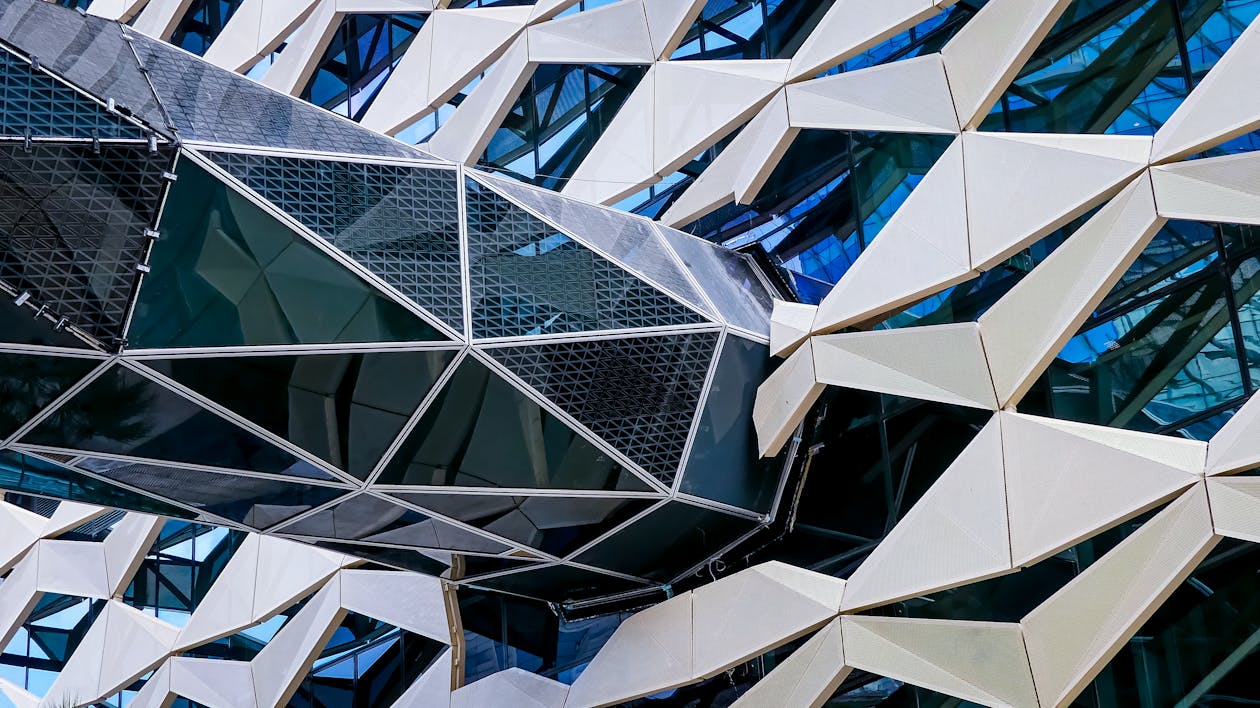

The Saudi Arabia facade market,projected to reach USD 4.9 billion by 2033 with a 6.40% CAGR, is far more than a construction subsector; it embodies the Kingdom’s strategic pivot under Vision 2030. Sovereign capital is aggressively channeling resources into this domain through giga-projects like NEOM and Red Sea Global, which demand unprecedented facade performance and innovation. These initiatives are not merely architectural statements but critical infrastructure components driving massive demand for high-specification cladding systems, directly fueling the Kingdom’s construction pipeline, valued at USD 800 billion over the next seven years. The convergence of stringent energy efficiency regulations, embodied in the Saudi Building Code and Mostadam rating system, and the escalating green building market, projected to reach USD 33 billion by 2030, transforms facade specification from a design choice into a core commercial and regulatory imperative, creating substantial opportunities for advanced material and system providers.
This surge in sovereign-led development is reshaping the regional infrastructure landscape and supply chain dynamics. The demand for specialized facade systems—insulated glass units, low-e coatings, and ventilated facades—is accelerating, driven by projects requiring passive cooling solutions in extreme climates. The residential sector, targeting 1.5 million units and underpinned by programs like Sakani, adds a crucial volume component, particularly for glass and metal systems. Concurrently, local manufacturing investments, incentivized by Vision 2030’s 75% localization target, are enhancing supply chain resilience and reducing import dependency. GulfGuard’s significant expansion and Obeikan Glass’s new float line in Yanbu exemplify this shift, enabling domestic production of critical facade components and positioning the Kingdom as a potential exporter within the GCC, mitigating global supply chain vulnerabilities that previously caused procurement delays of up to 25 weeks.
Beyond scale and regulation, the facade market is becoming a testbed for technological advancement and VC engagement. Landmark projects like The Line’s groundbreaking self-cleaning, energy-generating facade and Saudi Binladin Group’s 3D-printed parametric panels demonstrate a move towards integrated smart systems, attracting venture capital interest in AI-powered monitoring solutions and next-generation materials. These innovations are not isolated; they signal a broader trend where facade performance, aesthetics, and sustainability converge into a single, commercially decisive demand signal. The Kingdom’s aggressive pursuit of smart glass mandates and dynamic facades for government projects further accelerates this trend, fostering partnerships like the recent OSUS-Schüco MoU to supply advanced systems. Consequently, the Saudi facade sector represents a microcosm of the region’s broader economic transformation, where sovereign capital drives infrastructure, local manufacturing builds resilience, and technological innovation attracts both commercial and venture capital, defining the built environment’s future trajectory across the MENA.