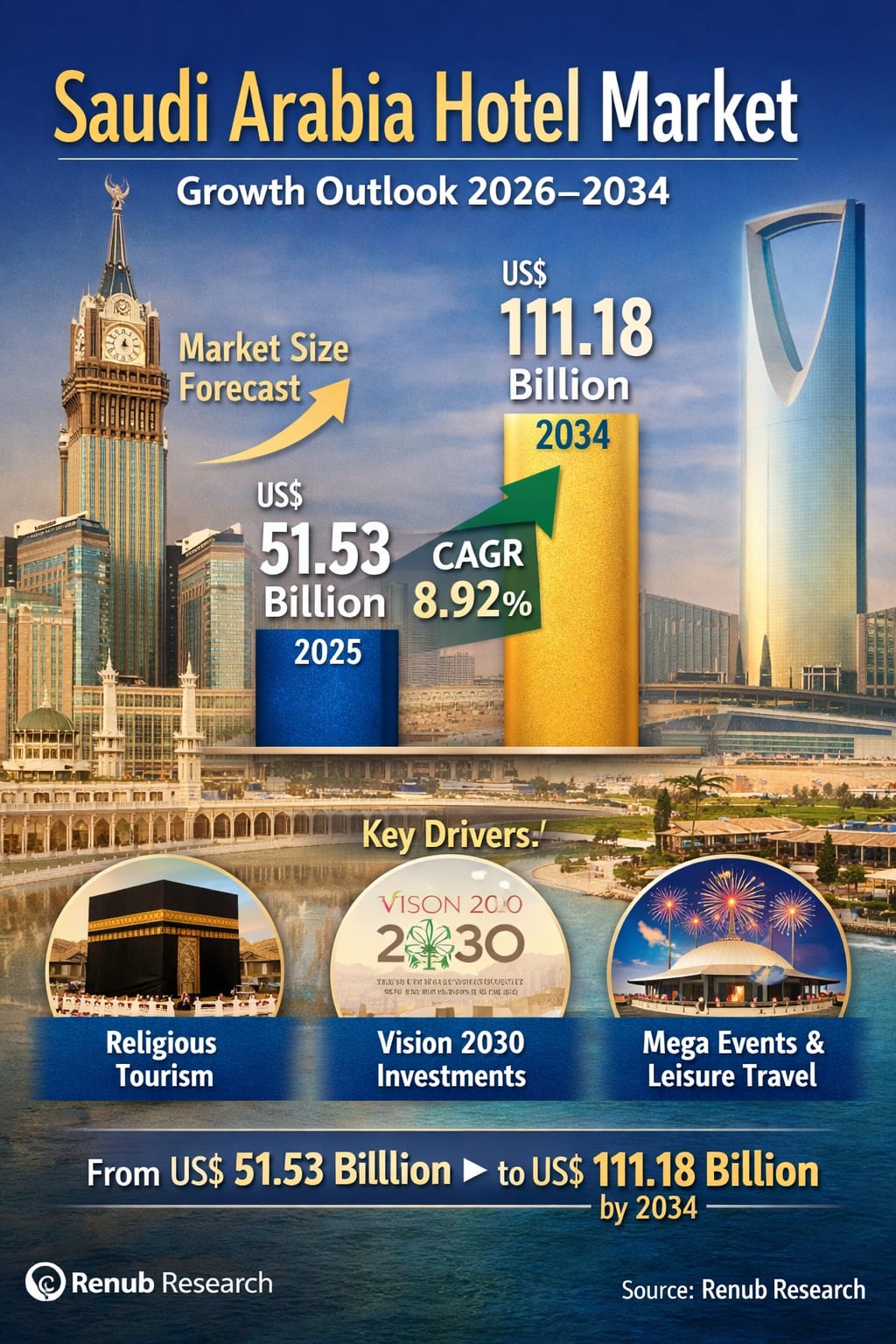

Saudi Arabia’s hospitality sector is undergoing a structural revaluation, transitioning from a pilgrimage-anchored volume model to a capital-intensive, diversified leisure and business ecosystem. Backed by unprecedented sovereign wealth deployment and Vision 2030 policy directives, the Kingdom’s hotel market is projected to expand from $51.5 billion in 2025 to $111.2 billion by 2034, reflecting a compound annual growth rate of 8.92 percent. This trajectory is a deliberate macroeconomic reallocation catalyzed by giga-project capital expenditure rather than organic demand alone. Public-private development mandates across NEOM, the Red Sea Project, and Qiddiya are channeling tens of billions in sovereign balance sheets into hospitality-linked real estate, effectively engineering a new institutional asset class. Global operators are responding with aggressive management agreements and franchise scaling, while domestic conglomerates leverage state-backed financing mechanisms to consolidate regional portfolios, signaling a fundamental shift in Middle Eastern real estate capital allocation from hydrocarbon-linked diversification to tourism-as-strategic-infrastructure.
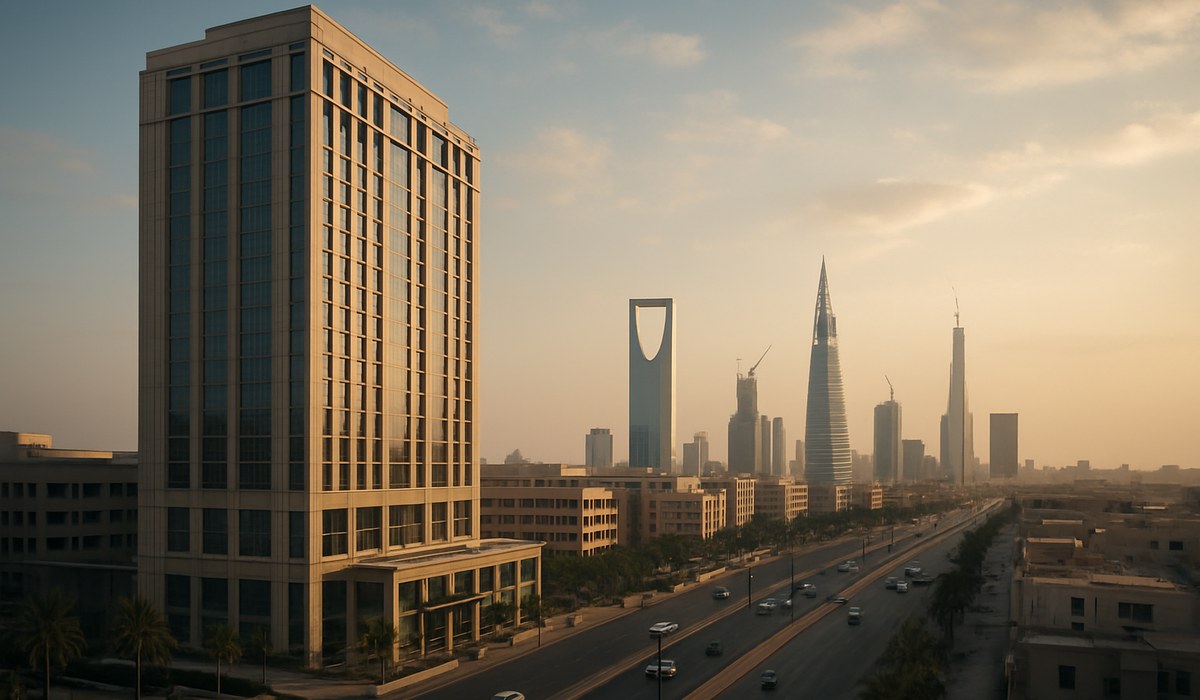
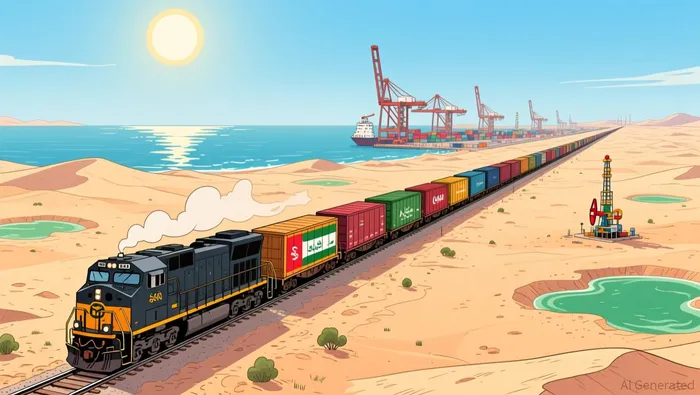
This capital deployment is inextricably linked to a region-defining physical and digital infrastructure modernization agenda. Sovereign funding for high-speed rail corridors, airport capacity expansions, and integrated urban masterplans such as New Murabba is systematically eliminating historical logistical friction, compressing transit times, and extending average length of stay. These network investments generate substantial multiplier effects across construction engineering, supply chain logistics, and facilities management, creating a tightly integrated MENA industrial corridor. Concurrently, regulatory reforms including streamlined foreign direct investment protocols, standardized hospitality licensing, and visa facilitation are lowering market entry barriers for institutional operators. As Riyadh and Jeddah mature into primary corporate transit hubs and secondary leisure gateways, the Kingdom’s tourism real estate will increasingly dictate regional capital flows, positioning Gulf Cooperation Council markets as a coordinated logistics and leisure hub rather than fragmented destination silos.
The sector’s rapid scaling is simultaneously catalyzing a venture and growth equity pivot toward hospitality technology, operational digitization, and data-driven asset management. Scaling a $100 billion pipeline demands enterprise resource optimization, dynamic revenue management, and integrated guest ecosystems, driving institutional venture capital into Saudi PropTech, IoT-enabled facility automation, and sovereign-compliant payment infrastructure. Recent ERP deployments, smart-room integrations, and blockchain-backed regulatory tracking underscore a broader mandate to institutionalize operating metrics and align with global ESG reporting standards. For institutional allocators, the convergence of sovereign anchor capital, tech-enabled operational leverage, and a maturing regulatory framework presents a compelling risk-adjusted entry point into MENA’s non-oil services economy. Realizing projected valuations will require disciplined yield management to mitigate structural seasonality, rigorous workforce localization, and sustained public-private risk sharing, ultimately transforming the Kingdom’s hospitality apparatus into a core mechanism for Middle Eastern macroeconomic resilience and technological adoption.