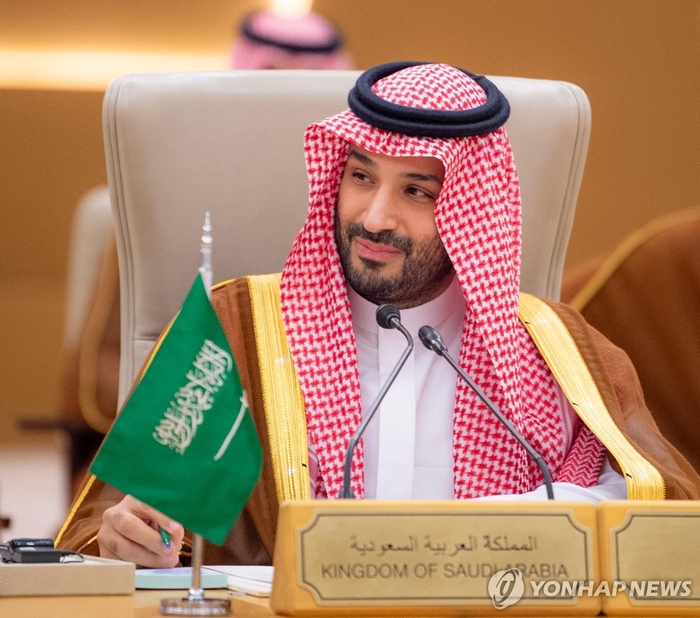

The crash of Saudi Arabia’s Vision 2030 projects has reverberated across the MENA region, shaking confidence in sovereign capital allocation and casting doubt on the viability of high‑profile public‑private partnerships that have underpinned the kingdom’s modernization agenda. The Wall Street Journal, citing senior Saudi officials, reports that most flagship undertakings—ranging from the $5 billion Neom megacity to the luxury Sindala resort—have entered a review or halt stage, a direct consequence of the fiscal shock from the recent Middle East conflict and the consequent reduction in oil revenue.
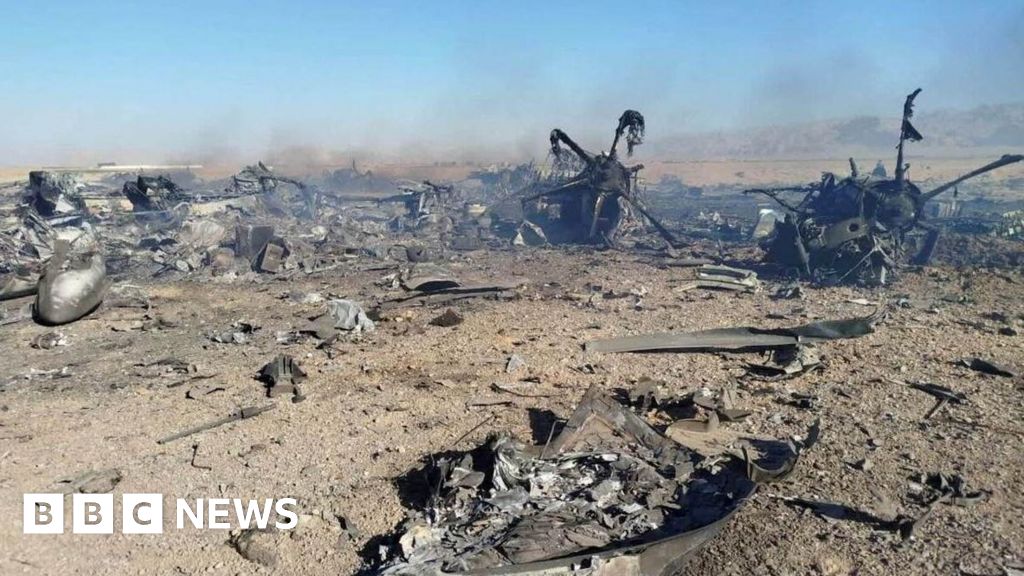
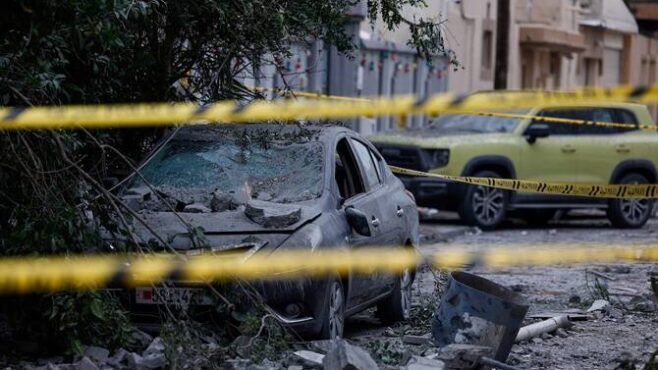
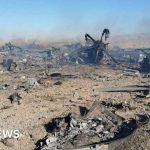
Between 2022 and 2024, the war and Iran’s blockade of the Strait of Hormuz plunged Saudi oil output to roughly half, pushing the state’s revenue shortfall past $10 billion. Coupled with heightened defense spending and a bruised “safe haven” image, the emirate’s debt‑to‑GDP ratio has tightened dramatically, forcing a re‑allocation of sovereign funds toward essential services and security rather than speculative infrastructure. This retrenchment poses a risk to the kingdom’s long‑term fiscal sustainability and undermines investor appetite for the high‑NVV projects that have attracted billions in joint venture financing.
Venture capital activity in the Gulf has thusarily cooled; firms now favour lower‑risk, logistics‑centric ventures that can deliver stable returns. Peer states, especially the UAE and Qatar, are recalibrating their own visionary programmes to hedge against geopolitical volatility, nudging regional capital flows toward resilient industries such as renewable energy, digital infrastructure, and capital‑efficient manufacturing. The stalled Neom and Sindala sites illustrate a broader shift: the region’s flagship megaprojcts are yielding, not grenades, and corporate entities are recalibrating their risk assessments in favour of incremental, modular development.
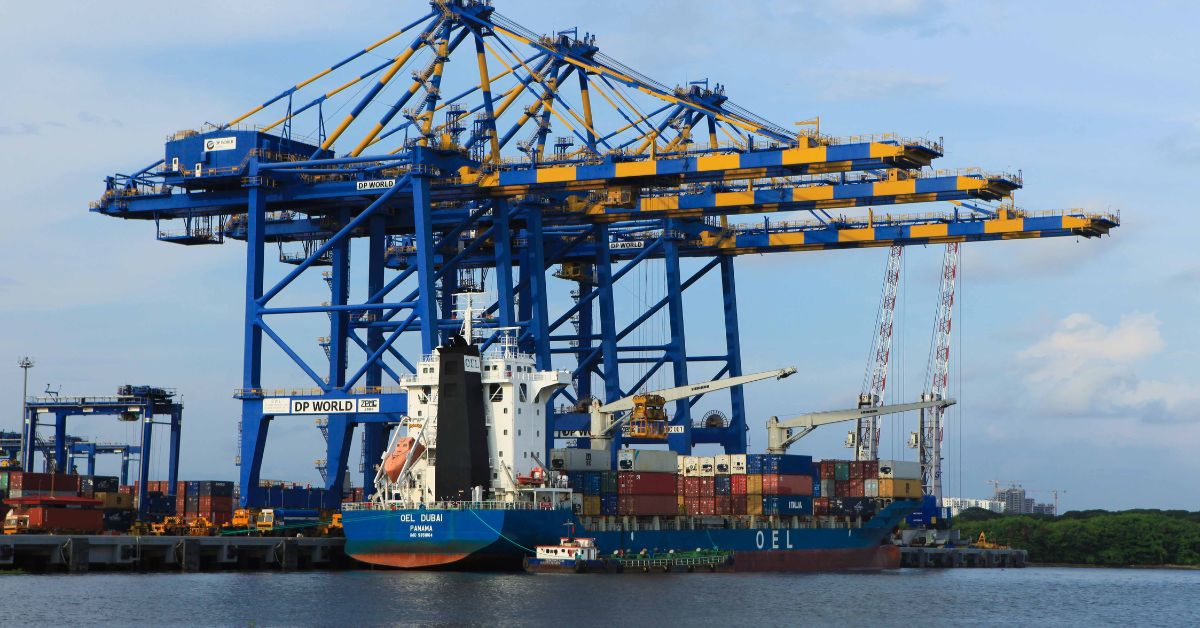
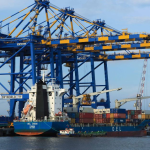
Infrastructure implications extend beyond capital allocation. Ongoing grid and port upgrades, designed to support Vision 2030’s logistics ambitions, face funding gaps that could stall critical trade corridors. Should the project review regime continue, the kingdom’s ability to attract foreign direct investment will further erode, potentially catalysing a migration of infrastructure financing to resilient niche markets such as green hydrogen and autonomous transport hubs. The Sustainability‑Linked Bonds issuance that Saudi Arabia recently advertised may find investor scrutiny hard‑to‑shake, signalling a broader sober tide in sovereign bond markets across the MENA region.