
Saudi Arabia’s tourism surgeis being re‑engineered through a calibrated blend of sovereign capital deployment and private venture financing, which together insulate the sector from geopolitical turbulence while accelerating asset‑level transformation across the Kingdom. Massive allocations from the Public Investment Fund underpin megaprojects—from RED Sea‑linked resorts to NEOM’s digital ecosystems—thereby generating multiplier effects in construction, logistics and hospitality technology. Venture capital inflows are increasingly channelled into blockchain‑enabled travel platforms and fintech solutions that streamline visa processing and dynamic pricing, ensuring operational resilience amid heightened travel cost pressures.
The infrastructure agenda is deliberately geared toward regional integration, positioning Saudi Arabia as a logistical hub for the broader MENA tourism corridor. Strategic investments in airport capacity expansions, high‑speed rail links and smart border management systems reduce transit latency and enhance the kingdom’s competitive edge over traditional Mediterranean and European destinations. These upgrades are financed through blended public‑private models that leverage sovereign bonds, attracting institutional investors seeking exposure to long‑dated, cash‑generating tourism assets in a stabilising macro‑environment.
Business‑level impact manifests in a recalibration of revenue streams, as the Kingdom shifts emphasis from volume‑driven mass tourism to higher‑margin segments such as luxury experiential travel, faith‑based itineraries and eco‑destinations. Sovereign capital acts as a stabiliser, providing the fiscal firepower to absorb short‑term shocks while venture capital fuels innovation that lowers cost structures and improves yield per visitor. Consequently, the tourism sector contributes a larger share of non‑oil GDP, reinforcing the strategic diversification objectives of Vision 2030.
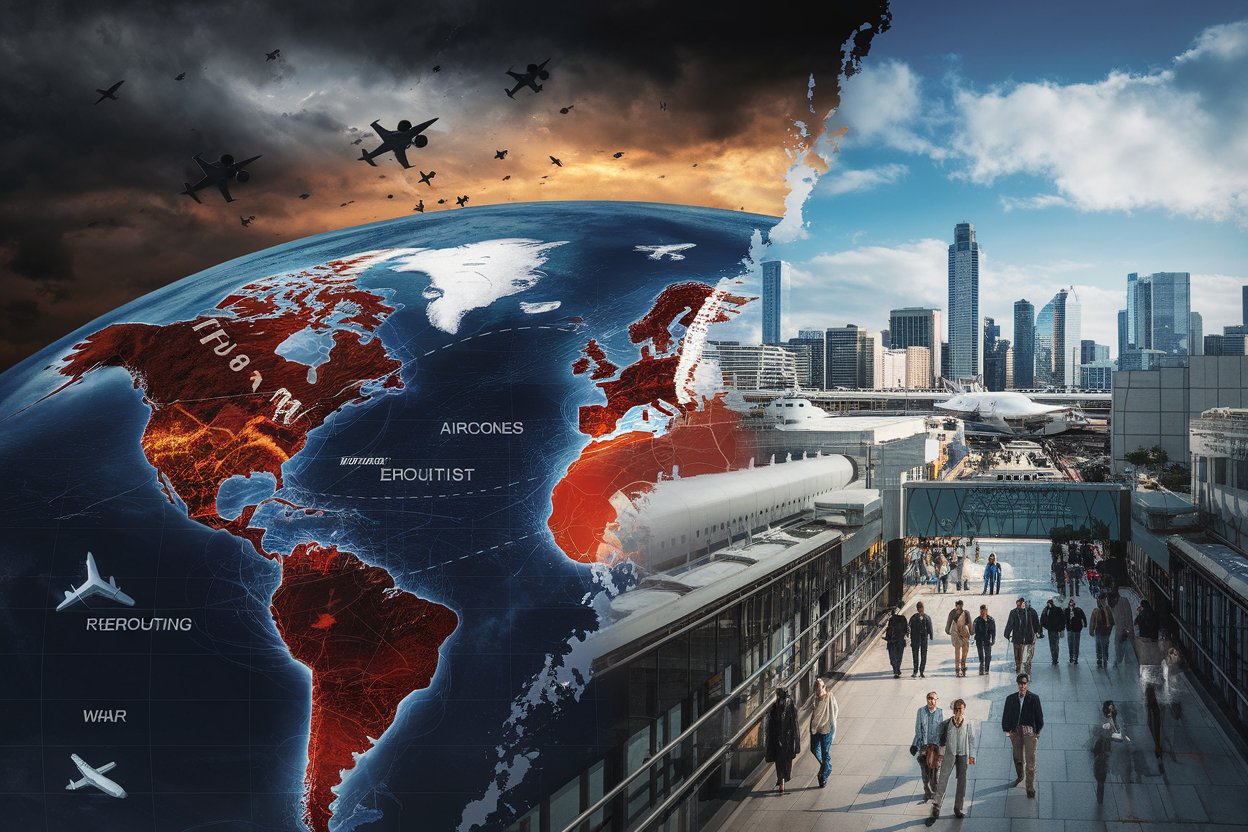
In the aggregate, the interplay of sovereign financing, private venture investment and targeted infrastructure upgrades creates a self‑reinforcing cycle: capital inflows accelerate project roll‑outs, which in turn generate ancillary demand across construction, technology and services, while mitigating the adverse effects of war‑induced market disruptions. This model not only safeguards the Kingdom’s tourism growth trajectory but also sets a replicable blueprint for neighbouring MENA economies seeking to harness sovereign wealth and venture ecosystems to buffer against geopolitical volatility.