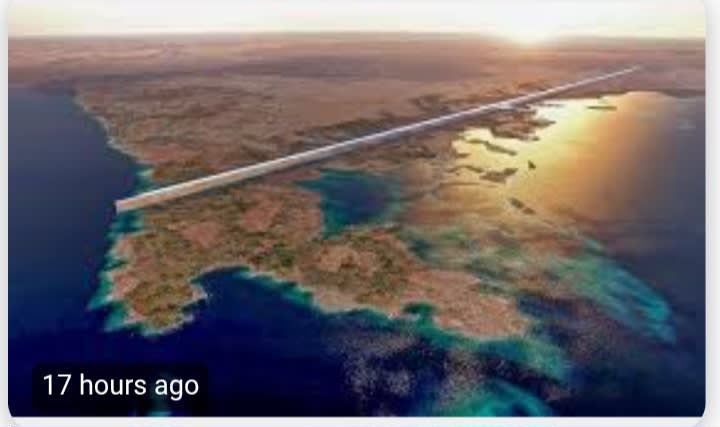

Saudi Arabia’s construction sectoris poised for steady expansion, with the market valued at USD 101.4 billion in 2025 and forecast to reach USD 138.4 billion by 2034, reflecting a compound annual growth rate of 3.5 % between 2026 and 2034. This trajectory is underpinned by the Kingdom’s Vision 2030 agenda, which has earmarked in excess of USD 500 billion for mega‑infrastructure programmes. The Public Investment Fund (PIF) has already awarded contracts worth roughly USD 250 billion since 2016, catalyzing a broader pipeline of real‑estate and infrastructure assets estimated at USD 1.25 trillion. These sovereign‑backed initiatives are not only reshaping domestic demand but are also creating a deep pool of investable opportunities for regional and international capital allocators.
Technology adoption is accelerating the efficiency gains promised by these capital commitments. AI‑enhanced Building Information Modeling (BIM) platforms, bolstered by machine‑learning algorithms, are delivering automated clash detection that cuts rework by up to 30 % and shortens design cycles. Generative design tools now produce thousands of cost‑ and material‑optimized alternatives in seconds, directly supporting sustainability mandates for smart‑city developments such as NEOM’s Oxagon and Qiddiya’s entertainment precinct. Predictive maintenance systems powered by digital twins are trimming operational expenses by approximately 25 %, while computer‑vision‑based quality‑control solutions ensure compliance with the Saudi Building Code and reduce material waste. Recent milestones—including the PIF‑Foxconn partnership to launch AI‑driven BIM centers in Riyadh and the rollout of infra‑guaranteed financing instruments—signal a maturing venture‑capital ecosystem that is channeling early‑stage funding into construction‑tech startups across the MENA corridor.
The ripple effects of Saudi Arabia’s construction boom are extending beyond the Kingdom’s borders, reshaping regional infrastructure frameworks. Public‑private partnership (PPP) models pioneered on projects like the Riyadh Metro, NEOM industrial zones, and the Red Sea tourism facilities are being replicated in neighboring GCC states, offering a blueprint for risk‑sharing that leverages private expertise while limiting fiscal exposure. These collaborations facilitate technology transfer, upskill local engineering talent, and establish regional supply chains for prefabricated modules, green‑hydrogen electrolyzers, and renewable‑energy‑integrated desalination plants. As Saudi developers pursue LEED, BREEAM, and national green‑building certifications, the associated standards are becoming de‑facto benchmarks for sustainable urbanization throughout North Africa and the Levant.
Looking ahead, the sector’s segmentation—spanning residential, commercial, industrial, transportation, and energy‑utilities construction—will continue to attract targeted sovereign and private capital. The PIF’s ongoing commitment to homeownership goals, exemplified by ROSHN’s target of 400,000 units by 2030, alongside preparations for Expo 2030 in Riyadh and the FIFA World Cup 2034, ensures a sustained pipeline of demand for skilled labor, advanced equipment, and engineering services. For investors and policymakers across MENA, Saudi Arabia’s construction transformation offers a tangible case study in how directed sovereign capital, strategic VC infusion, and infrastructure‑led PPPs can converge to drive diversification, job creation, and long‑term regional competitiveness. (
)