
While grassroots participation rates are climbing and institutional frameworks are being overhauled, the financial dynamics beneath the surface are gaining momentum. Legal and strategic factors are becoming just as pivotal as on-field performance. The ongoing privatization of football clubs is not just a governance shift but a market operation critical to the sector’s identity and long-term sustainability. The involvement of large national companies, such as Saudi Aramco’s acquisition of Al-Qadsiah Club, exemplifies how corporate capital is beginning to anchor this transformation. This trend is turning sports enterprises into platform assets that connect physical infrastructure, broadcasting rights, and event tourism under a unified economic model.
Political and legal reforms have also established a more attractive framework for inward capital. By licensing independent ownership models and establishing legal protections for investors, Saudi Arabia is drawing capital from a broader base while protecting endemic interests. This move mirrors the Kingdom’s Vision 2030 objective of diversifying beyond public funding and tying the sports economy to real estate, tourism, and development zones. The expansion of tournament calendars and event hosting is further accelerating this process, offering transnational exposure and inviting long-term international partnerships in areas ranging from stadium tech platforms to digital content rights.
Veteran capital markets point to the power of scale in redistributing reputational risk across new asset classes. Infrastructure projects that host elite competitions draw tourism, research, and training revenue, while the broader professional league system gains presence and value for domestic audiences. As ownership structures enable more strategic capital allocation, club brands can evolve as event platforms rather than single-sport franchises with limited commercial scope.
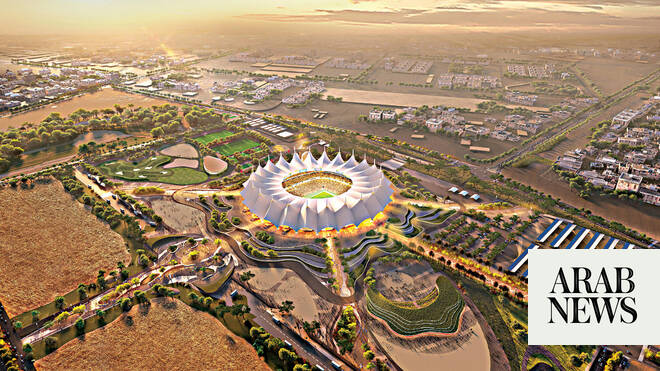
The next phase of Saudi Arabia’s sports evolution seems set to hinge on integrating these operational and financial innovations. If the reengineering of stadiums as multi-event hubs and the monetization of non-match-day usage succeed, they will fuel a virtuous cycle—multiplying returns on investment and amplifying the sector’s contribution to GDP. This repositioning of sport as a foundational infrastructure of economic growth aligns closely with the Kingdom’s broader ambition to calibrate soft power, private sector leadership, and sovereign wealth toward a diversified future.