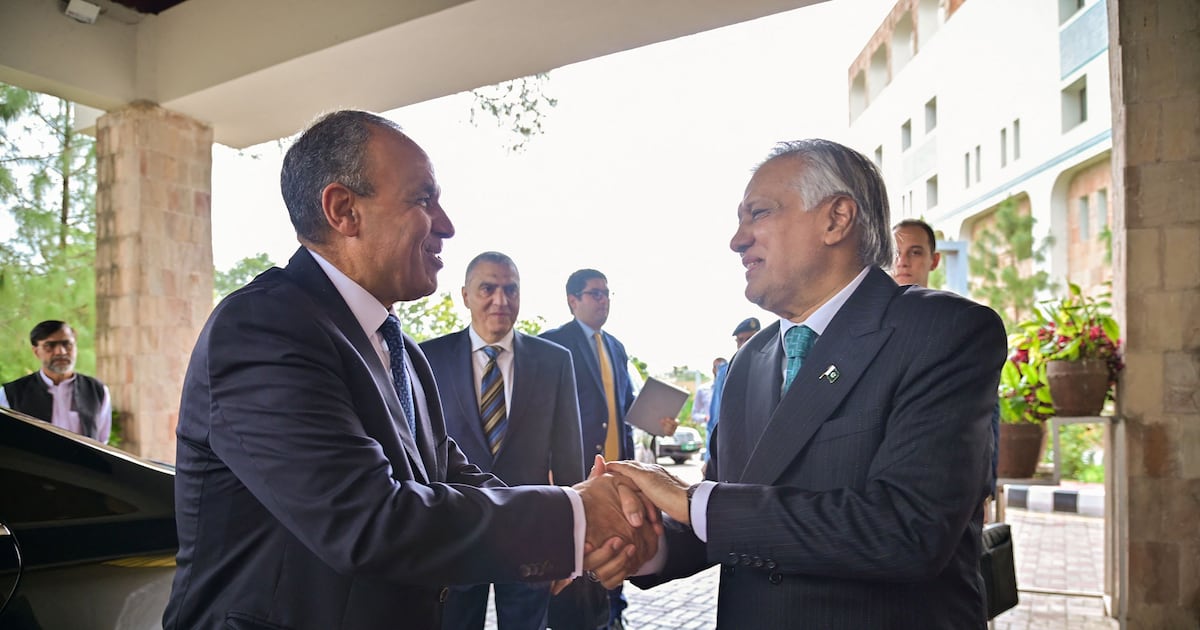

Emerging diplomatic overtures amongEgypt, Turkey, Saudi Arabia and Pakistan signal a pivotal shift toward conflict de‑escalation, yet the underlying volatility in the Gulf remains a decisive factor for sovereign capital allocators across the MENA region. The potential reopening of the Strait of Hormuz and the prospect of renewed naval escorts directly affect the cash‑flow forecasts of Gulf Cooperation Council (GCC) sovereign wealth funds, which have increasingly weighted their portfolios toward logistics, renewable energy and digital infrastructure to hedge against energy‑price shocks. Meanwhile, venture capital firms targeting high‑growth start‑ups in cybersecurity, AI‑driven supply‑chain analytics and resilient maritime technology are witnessing heightened due diligence, as limited partners demand concrete risk‑mitigation strategies tied to geopolitical exposure and insurance‑linked securities.
For sovereign investors, the cost of inaction is now quantifiable: disrupted shipping lanes translate into measurable variances in sovereign debt yields and foreign exchange reserves, prompting a recalibration of asset‑allocation models that prioritize liquidity buffers and inflation‑linked instruments. The heightened militarisation of the Red Sea corridor has already spurred the launch of several sovereign‑backed fund vehicles aimed at financing alternative freight routes, including the expansion of the Suez Canal’s secondary lanes and the development of multimodal hubs in Oman and Saudi Arabia’s Vision 2030 megaprojects. These initiatives are attracting co‑investment from global infrastructure banks and private equity consortia, reinforcing the region’s pivot toward diversified, non‑oil‑dependent growth engines.
Venture ecosystems across Egypt, the United Arab Emirates and Israel are experiencing a surge in cross‑border financing as multinational corporations seek to secure resilient supply‑chain nodes amid heightened regional tensions. Start‑ups developing autonomous maritime monitoring systems, blockchain‑enabled cargo tracking, and modular desalination plants are receiving premium valuations, reflecting a strategic imperative to fortify critical infrastructure against intermittent hostilities. Institutional investors are increasingly aligning capital commitments with policy‑driven frameworks that embed geopolitical risk assessments into fund mandates, thereby ensuring that future returns are anchored not merely in market cycles but in the durability of regional stability.
In sum, while diplomatic engagements hint at a possible de‑escalation pathway, the interim period is marked by an accelerated infusion of sovereign and private capital into infrastructure and technology projects designed to mitigate supply‑chain disruptions and fortify economic resilience. The convergence of sovereign wealth, venture funding, and large‑scale infrastructure programmes underscores a transformational phase for the Middle East and North Africa, wherein strategic investments are poised to redefine the region’s long‑term economic trajectory amidst persisting security uncertainties.