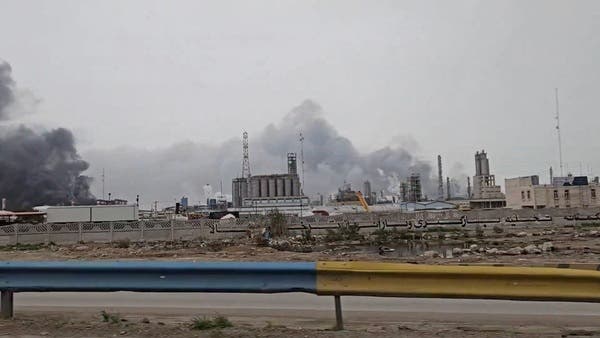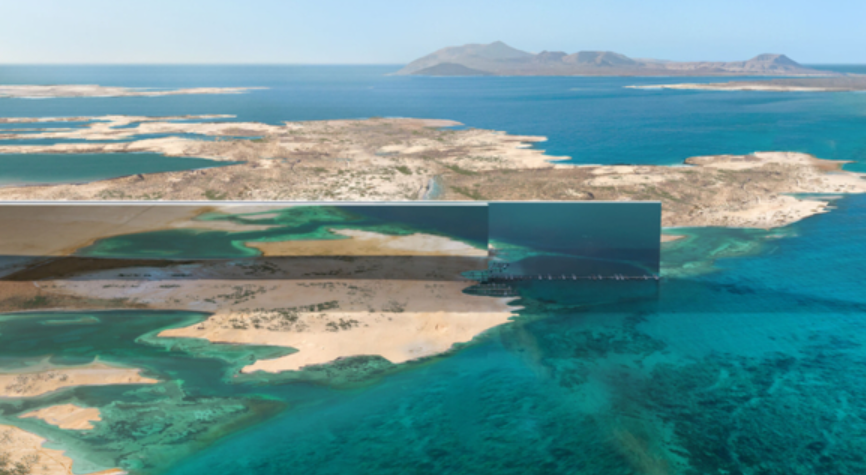

Saudi Arabia’s Vision 2030, a cornerstone of its economic diversification strategy, is facing existential challenges as geopolitical instability disrupts the kingdom’s rebalancing away from oil dependency. The war in the Middle East has triggered a $10 billion fiscal shock, compounded by the collapse of oil revenues due to Hormuz Strait blockades and retaliatory attacks, which have crippled offshore production and investor confidence. This crisis is not merely a financial setback but a systemic unraveling of the kingdom’s strategic bets, with flagship projects like Neom and Sindalah now emblematic of stalled aspirations. The Public Investment Fund’s (PIF) forced divestment of U.S. equities and domestic fiscal austerity measures underscore the fragility of Saudi Arabia’s pivot toward a tech-driven, non-oil economy, raising questions about the viability of its high-profile infrastructure and venture capital initiatives.
The devaluation of Vision 2030’s ambitious projects highlights the interplay between sovereign capital and venture capital ecosystems. The PIF, once a linchpin of the kingdom’s innovation drive, is now a liquidity-constrained entity, diverting resources from speculative bets to immediate survival. While global venture capital dries up amid regional unrest, Saudi Arabia’s domestic venture capital landscape—already under strain from the PIF’s retreat—faces exacerbated headwinds. The suspension of Sindalah’s development, despite its $500 million price tag and high-profile launch, illustrates the collapse of investor appetite for non-essential projects. Meanwhile, Neom’s scaled-back scope reveals the untenable cost of maintaining infrastructure dependencies that rely on global capital flows, which are now redirected toward geopolitical risk mitigation.
The broader implications for regional infrastructure and cross-border investment are profound. Saudi Arabia’s inability to deliver on Vision 2030’s promises jeopardizes its standing as a hub for technological and logistical innovation, a critical component of GCC regional integration. The crackdown on foreign investment, exacerbated by Iranian retaliation threats, risks accelerating capital flight and deepening the kingdom’s reliance on domestic fiscal tools. Furthermore, the diversion of resources toward defense and security expenditures could stifle long-term infrastructure investments, creating a paradox where short-term survival measures undermine the strategic goals they were designed to advance. Without a stable geopolitical environment, Saudi Arabia’s transformation agenda faces a critical inflection point, one that could reshape the MENA region’s economic trajectory for decades.