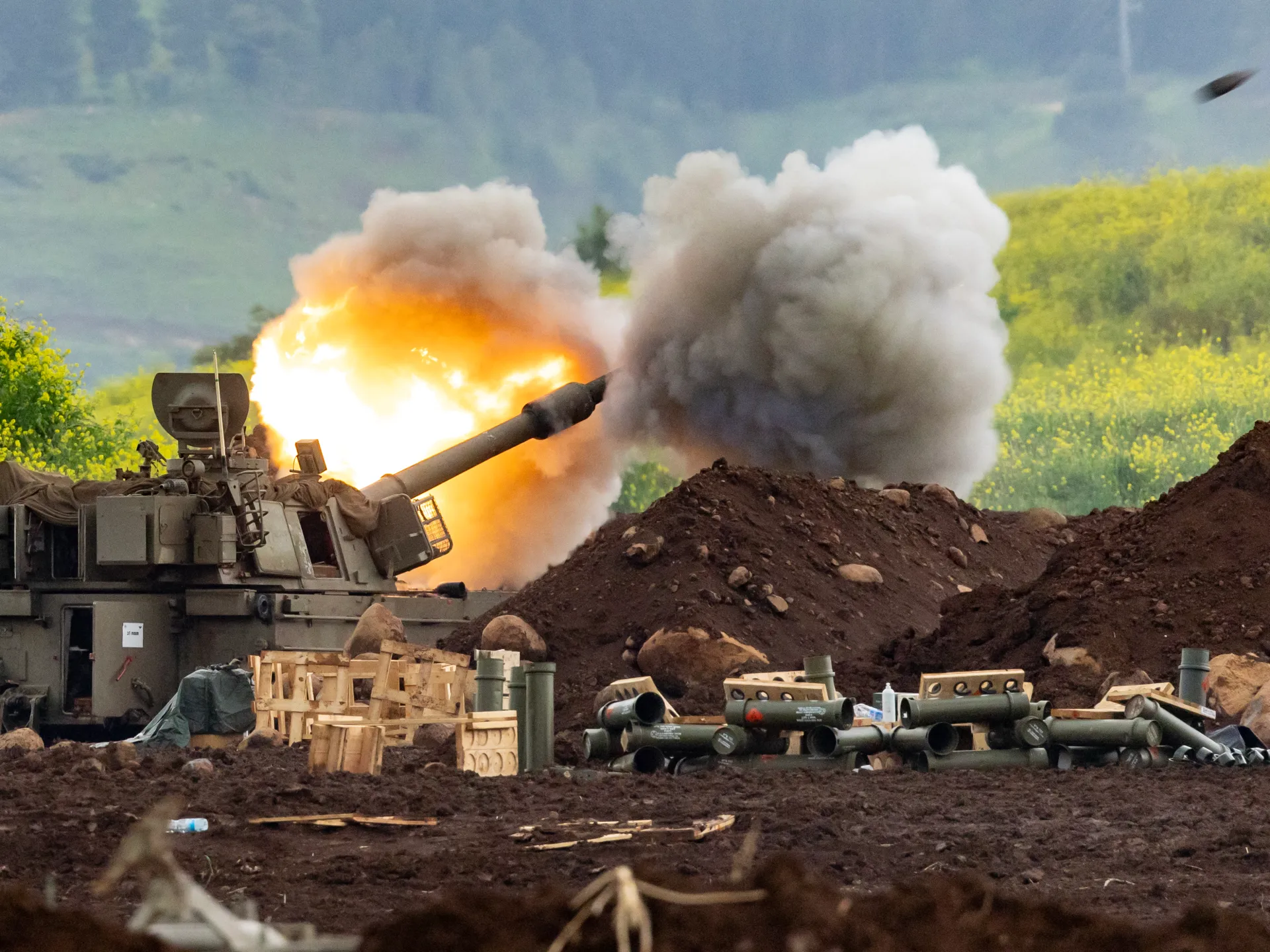

Saudi Arabia’s Vision 2030 and the Gulf’s emerging megaprojects now face a decisive reputational shock as Iran‑backed attacks on Ras Tanura and other critical infrastructure have exposed the region to unprecedented volatility. The immediate risk is a erosion of confidence among global investors and multinational corporations that have historically relied on the Gulf’s “safe‑haven” narrative to justify sovereign allocations, venture‑fund pipelines, and cross‑border talent flows. The credibility of long‑term predictability—cornerstones of sovereign wealth deployment and sovereign‑linked infrastructure financing—is being tested, compelling asset managers to reassess exposure to Gulf‑centric sovereign bonds and to hedge against heightened risk premia.
From a sovereign‑capital perspective, the Kingdom’s ability to fund transformational projects such as Neom and the broader energy‑transition agenda rests on the perception that the business environment remains insulated from geopolitical spill‑over. While Saudi Arabia’s geographic scale mitigates the concentration of missile strikes relative to the UAE, any protracted conflict will magnify reputational damage and could pressure rating agencies to downgrade the Kingdom’s sovereign credit outlook, thereby raising financing costs for mega‑infrastructure and limiting access to international capital markets. Regional investors are already recalibrating sovereign allocations, prioritising diversification into less exposed markets and scrutinising the resilience of sovereign‑backed vehicle structures.
Venture and private‑equity capital are especially sensitive to these dynamics, as start‑ups and technology hubs such as Riyadh’s growing fintech ecosystem and the UAE’s startup corridors depend on a stable operating environment to attract foreign talent and secure follow‑on funding. The prospect of prolonged instability threatens talent retention strategies and the transfer of knowledge‑intensive industries, potentially slowing the diffusion of innovation that underpins the Gulf’s diversification narrative. In this context, regional infrastructure—spanning aerospace corridors, renewable‑energy parks, and ultra‑modern logistics hubs—must be recalibrated to incorporate robust risk‑mitigation frameworks and contingency planning that safeguard project pipelines against geopolitical shocks.