
MENA Financial Stability Under GeopoliticalStrain: IRGC Rhetoric and Capital Flows
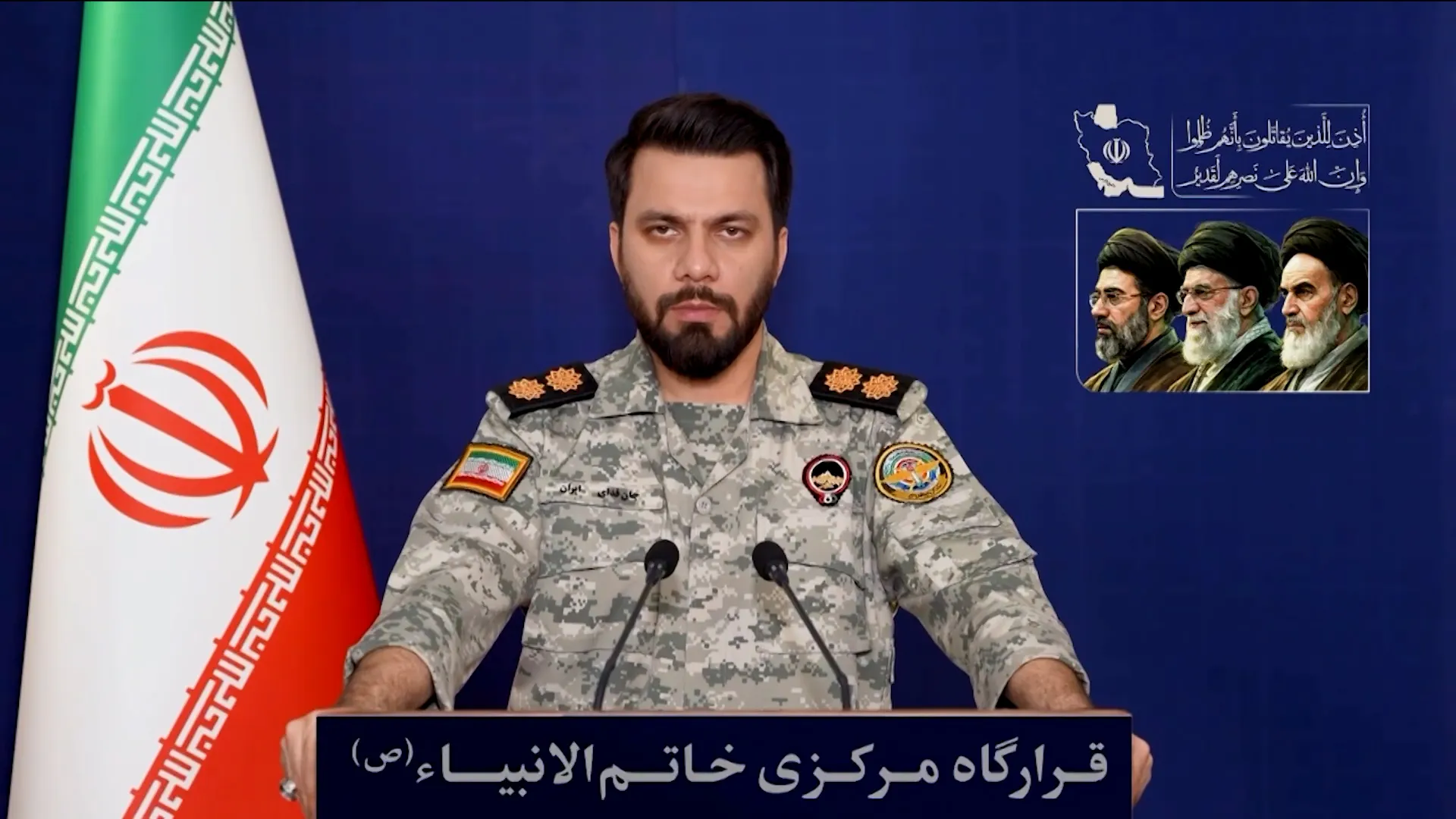
The Middle East and North Africa (MENA) region faces heightened geopolitical turbulence following the Iranian Revolutionary Guard Corps’ (IRGC) Islamic Revolutionary Guard Corps (IRGC) spokesman’s video mocking U.S. President Trump, characterized by a deliberately provocative and confrontational tone. While originating from Iran, the implications of this rhetoric resonate deeply across the region, posing significant risks to economic stability, sovereign capital management, and venture capital deployment. The deliberate use of inflammatory language targeting the U.S. leader signals a continuation of assertive regional posturing, potentially triggering renewed volatility in financial markets and complicating diplomatic and economic engagement strategies for regional governments and investors.
Sovereign wealth funds (SWFs), central banks, and official development institutions across MENA are likely to factor this development into their risk assessments and strategic capital allocations. The heightened rhetoric and associated tensions elevate political risk premiums across the region, particularly impacting investments perceived as vulnerable to geopolitical friction. Governments may prioritize capital preservation and diversification away from assets or jurisdictions directly linked to the escalating U.S.-Iran standoff. This could lead to a contraction in sovereign capital flows towards certain MENA economies deemed more exposed, necessitating careful recalibration of sovereign investment mandates to mitigate exposure to heightened volatility.
Furthermore, the evolving investment climate impacts venture capital (VC) activity. Regional VC funds, while demonstrating growing maturity and focus on domestic markets, remain acutely sensitive to macro-risk factors. The IRGC spokesman’s video, amplifying regional tensions, contributes to an uncertain environment that can deter foreign VC inflows and complicate fundraising efforts for MENA tech startups. VC firms, particularly those with significant foreign backing or international portfolios, may adopt a more cautious stance, prioritizing investments in sectors perceived as less politically sensitive or more resilient to external shocks. This risk aversion could slow the deployment of venture capital into emerging MENA startups, potentially impacting innovation pipelines and digital infrastructure development.
The strategic implications extend to infrastructure development. Governments and private entities are likely to scrutinize large-scale, cross-border infrastructure projects that could be perceived as leverage points in geopolitical disputes. Investment in critical digital infrastructure (e.g., submarine cables, data centers), energy pipelines, and transport networks may face increased regulatory scrutiny or delay due to perceived geopolitical sensitivities. This cautious approach could slow the region’s progress in advancing the digital economies and integrated economic zones envisioned in regional visions like the Saudi Vision 2030 or UAE National Agenda 2031, necessitating innovative financing mechanisms and robust risk mitigation strategies from public and private stakeholders to maintain momentum.