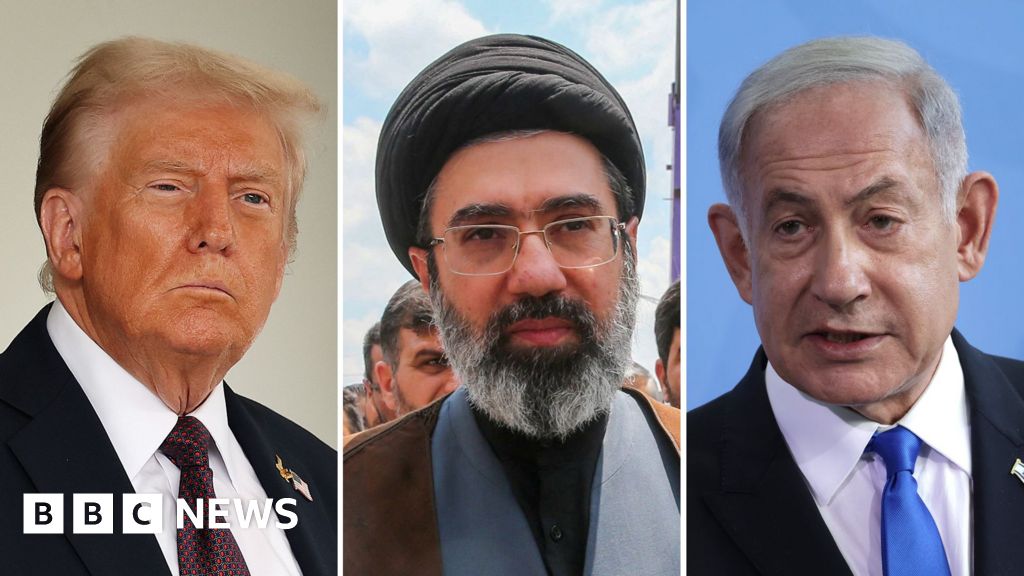

The escalating Iranian attacks in the ArabianPeninsula represent a critical juncture for regional economic stability, demanding immediate analysis of their profound implications for sovereign capital allocation, venture capital activity, and the strategic imperatives underpinning critical infrastructure development within the Middle East and North Africa (MENA). These geopolitical shocks compel sovereign wealth funds and state institutions to recalibrate risk assessments and potentially divert substantial resources towards enhanced defense postures, cybersecurity fortification, and emergency response capacities, thereby influencing broader capital deployment strategies away from traditional long-term development and diversification projects. The volatility generated by such incidents inherently heightens perceived systemic risk across the region, potentially constraining capital flows and increasing the cost of financing for both public and private entities, thus creating a complex environment for sovereign investment decisions aimed at preserving long-term strategic autonomy and stability.
Concurrently, the security environment’s deterioration presents both challenges and opportunities for the venture capital landscape. While the immediate risk aversion may temper risk tolerance in traditional VC portfolios, it simultaneously accelerates demand for innovative solutions in critical areas such as cybersecurity, unmanned aerial vehicle (UAV) defense systems, and resilient communication networks. This dynamic is likely to spur increased venture capital interest and investment activity in the region, particularly within entities possessing specialized expertise in these domains. Sovereign funds and state-affiliated investment vehicles may strategically leverage VC channels to identify and foster home-grown technological responses to these threats, aligning venture capital initiatives with national security priorities and long-term technological sovereignty objectives. The focus will increasingly shift towards securing partnerships that enable technological leapfrogging in these high-impact sectors.
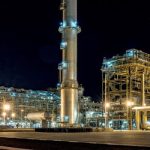
The imperative for enhanced infrastructure resilience is now starkly underscored. Critical energy, logistics, and communication networks across the Gulf Cooperation Council (GCC) and broader MENA face heightened vulnerability to asymmetric threats. Sovereign capital is compelled to prioritize investments in hardening these assets, including advanced air defense systems integrated into existing energy infrastructure, secure data centers capable of withstanding cyber incursions, and redundant supply chain mechanisms. This necessitates a paradigm shift in infrastructure planning and investment, moving beyond purely efficiency metrics towards incorporating robust defense-in-depth strategies and cyber-physical system security as fundamental design principles. The long-term economic viability of regional prosperity is inextricably linked to the ability to safeguard these foundational systems, requiring unprecedented levels of coordinated public-private capital and innovative financing models to build and maintain the infrastructure capable of withstanding the multifaceted security challenges defining the contemporary MENA strategic environment.