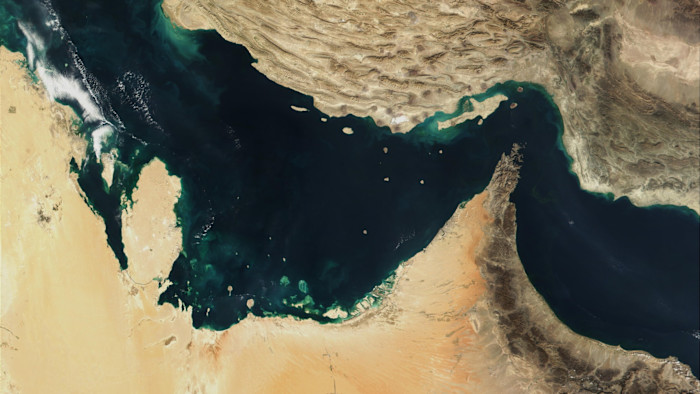

The recent ceasefire between the UnitedStates and Iran, intended to stabilize the Strait of Hormuz, has instead precipitated a near-total operational paralysis in the critical maritime chokepoint, underscoring profound vulnerabilities in regional energy infrastructure and international trade logistics. Data revealing a drastic reduction in transit – with just four vessels passing through on Wednesday versus eleven the prior day – starkly contrasts the pre-conflict operational capacity of approximately 140 daily transits. This abrupt contraction directly impacts global energy flows, with the strait facilitating roughly 20% of world oil and gas supplies, thereby triggering immediate inflationary pressures and heightened market volatility. The cessation of normal transit exposes systemic dependencies on a waterway increasingly contested through geopolitical maneuvering, compelling shipowners to confront unprecedented operational and financial uncertainties.
Iran’s insistence on reasserting sovereign control over the strait, demanding cryptocurrency payments of up to $2 million per oil tanker and mandating permission from its Revolutionary Guard Corps, represents a strategic maneuver leveraging the cessation of hostilities to monetize critical infrastructure and circumvent sanctions. This demand for payments introduces significant sovereign capital considerations, potentially constituting a revenue stream for Tehran while simultaneously posing acute sanctions compliance risks for foreign entities. The imposition of these fees, coupled with the requirement for vessels to seek prior authorization, fundamentally alters the regime of passage, transforming a once-open transit corridor into a highly regulated and costly asset under Tehran’s unilateral authority. Consequently, the strait’s status as a de facto Iranian controlled toll booth threatens long-term international maritime investments and logistics planning across the broader Middle East and North Africa (MENA) region.
The resultant operational limbo and financial opacity have created a cascading effect on regional venture capital and infrastructure development. Insurance markets, already categorizing the strait as a “very high risk area,” have witnessed precipitous drops in transit insurance premiums (e.g., falling from 7.5% to 3.75% of cargo value) driven by the cessation of activity and the IRGC’s demand for proof of permission for coverage. However, this apparent reduction masks underlying risks, as underwriters struggle to assess the enforceability and stability of Tehran’s demands and the potential for future disruptions. For venture capital firms and sovereign wealth funds eyeing investments in MENA port infrastructure, energy logistics, or related digital solutions (including blockchain applications for payments), the ongoing instability and lack of clarity regarding the strait’s operational regime introduce severe barriers, delaying project financings and deterring strategic entry until a sustainable, internationally recognized framework for transit is established. The sheer volume of vessels trapped – over 900 – further exacerbates congestion risks and underscores the critical need for coordinated regional infrastructure enhancements focused on alternative routes and emergency response protocols.
Ultimately, the current impasse in the Strait of Hormuz is not merely an episodic disruption but a critical inflection point demanding robust strategic responses. Regional actors, international stakeholders, and the private sector must urgently address the intersection of sovereign prerogatives, sanctions architecture, and infrastructure resilience. Developing transparent, rules-based mechanisms for transit – potentially including joint venture models proposed by the US – remains essential to restore confidence. Meanwhile, venture capital flows into the MENA maritime and logistics sector will likely remain subdued until demonstrable, predictable mechanisms for navigating geopolitical risk and ensuring secure, sanction-compliant transit are codified. The stability of global energy markets and the trajectory of regional infrastructure investments hinge critically on resolving this complex nexus of sovereign control, financial innovation, and operational certainty in the world’s most vital waterway.