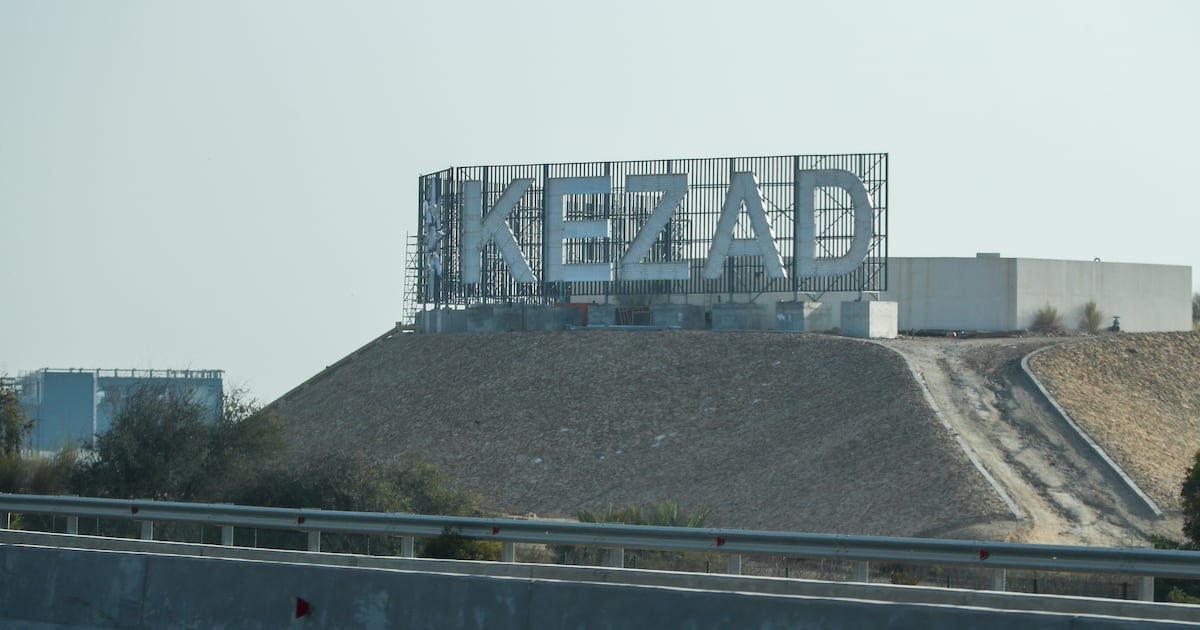

The recent escalation in direct Iranian attacks on the UAE, including a Saturday morning incident involving intercepted ballistic missiles impacting the Khalifa Economic Zones Abu Dhabi (Kezad), represents a significant and growing threat to regional economic stability. While UAE air defense systems have demonstrated effectiveness in interception, the sheer volume of projectiles – exceeding 370 ballistic missiles, 15 cruise missiles, and 1830 drones to date – underscores the limitations of even advanced defensive capabilities and the potential for collateral damage. The resulting injuries to workers from India and Pakistan, and the tragic loss of life including citizens of multiple nationalities and UAE military personnel, highlight the human cost and potential disruption to the UAE’s diversified workforce.
From a sovereign wealth perspective, the ongoing conflict necessitates a recalibration of risk assessments and potential reallocation of capital. While the UAE’s substantial reserves provide a buffer, sustained attacks will inevitably impact investor confidence and potentially lead to capital flight. Sovereign wealth funds, such as the Abu Dhabi Investment Authority (ADIA) and Mubadala Investment Company, are likely to prioritize defensive investments and explore opportunities in security technologies. Furthermore, the incident at Kezad, a critical logistics and industrial hub, raises concerns about infrastructure vulnerability and the need for increased investment in protective measures across key economic zones. This includes hardening critical infrastructure and bolstering cybersecurity defenses against potential attacks targeting logistical networks.
Venture capital activity within the region, particularly in sectors reliant on regional stability – such as logistics, tourism, and fintech – is facing increased headwinds. While early-stage funding may continue for strategically important technologies, late-stage investments and exits are likely to be delayed as investors reassess the geopolitical landscape. The focus will likely shift towards dual-use technologies with applications in both civilian and defense sectors. We anticipate a surge in demand for security-focused startups offering solutions in areas like drone defense, threat intelligence, and crisis management. However, the overall investment climate will remain subdued until a clear de-escalation pathway emerges.
The long-term implications extend to regional infrastructure development. The UAE’s ambitious plans for economic diversification and infrastructure expansion, including projects related to the India-Middle East-Europe Economic Corridor, are now subject to increased scrutiny. The cost of insurance and security for large-scale projects will inevitably rise, potentially impacting project timelines and financial viability. Regional governments will need to prioritize investments in integrated air defense systems and collaborative security frameworks to mitigate future risks and safeguard critical infrastructure, signaling a potential shift in budgetary allocations away from purely economic development towards enhanced security measures.