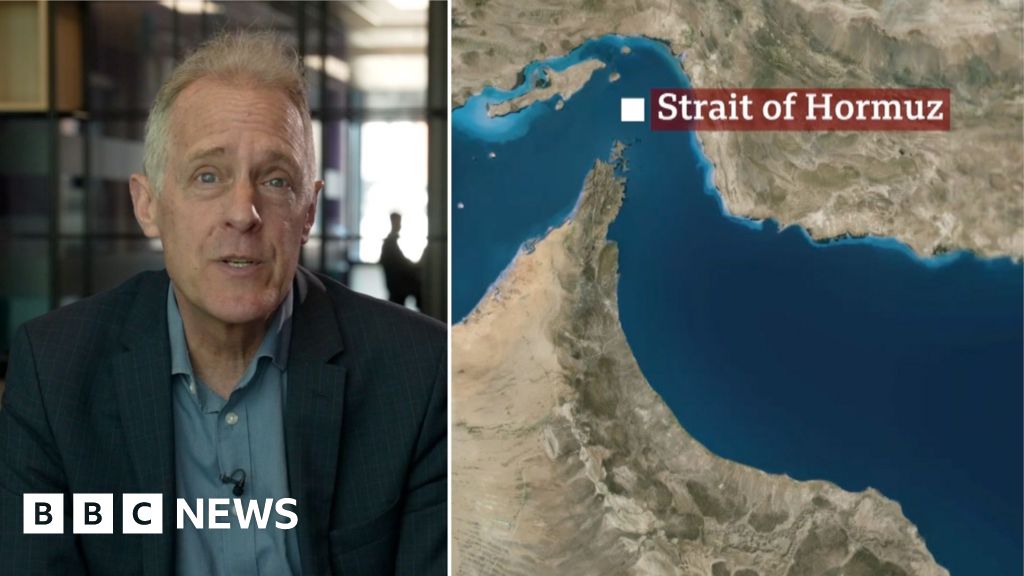

The effective closure of the Strait of Hormuz, precipitated by Iranian enforcement of vessel passage, represents a significant escalation of geopolitical risk with substantial and rapidly unfolding economic consequences for the MENA region and global trade. While the immediate impact is felt in crude oil markets – approximately 20% of global supply transits the strait – the broader ramifications extend to sovereign wealth fund investment strategies, regional infrastructure development, and the nascent venture capital ecosystem. Gulf states, heavily reliant on hydrocarbon revenues, face immediate budgetary pressures necessitating a reassessment of long-term diversification plans and potentially accelerating the deployment of sovereign capital into non-energy sectors, both domestically and internationally.
The disruption necessitates a critical re-evaluation of regional infrastructure projects designed to mitigate reliance on the Strait. Existing initiatives, such as pipeline construction and alternative shipping routes – including those traversing Saudi Arabia and the UAE – will likely see accelerated investment and prioritization. However, these projects require substantial capital expenditure and face inherent logistical challenges. More significantly, the crisis underscores the vulnerability of existing port infrastructure in the region, potentially diverting investment towards enhanced security measures and alternative logistical hubs further removed from immediate geopolitical flashpoints. This shift could favor ports in Oman and Egypt, offering opportunities for increased foreign direct investment.
From a financial perspective, the increased risk premium associated with regional trade and investment will likely constrain venture capital flows into MENA-based startups, particularly those reliant on international supply chains or export markets. While sectors focused on domestic consumption may prove more resilient, overall investor sentiment will undoubtedly be dampened. Sovereign wealth funds, acting as stabilising forces, may be compelled to increase domestic investment to offset potential declines in hydrocarbon revenue, potentially crowding out private capital in certain sectors. The long-term effect could be a slowdown in the region’s ambitious technological transformation agenda.
Ultimately, the situation in the Strait of Hormuz is not merely a shipping crisis; it is a catalyst for a fundamental recalibration of economic and investment strategies across the MENA region. The immediate priority for Gulf states will be securing alternative supply routes and bolstering energy infrastructure security. However, the longer-term implications will necessitate a more diversified economic base, a more robust regional infrastructure network, and a more cautious approach to attracting foreign capital, all while navigating a significantly heightened geopolitical landscape.