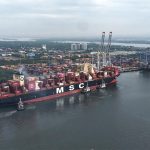

The recent actionsby Iran along the Strait of Hormuz constitute a critical strategic escalation with profound implications for the Middle East and North Africa (MENA) region’s financial and economic architecture. By deliberately impeding maritime traffic through this vital maritime chokepoint, Iran is exacerbating existing supply chain fragility, directly impacting sovereign capital reserves and investment strategies across the region. The disruption of 20% of global oil and LNG throughput immediately pressures state budgets reliant on hydrocarbon revenues, compelling central banks and sovereign wealth funds to reassess liquidity management and diversify away from over-reliance on volatile energy markets. This necessitates accelerated investments in non-hydrocarbon economic sectors, leveraging sovereign capital reserves to build resilient, diversified economies less susceptible to external geopolitical shocks.
Concurrently, the surge in oil and gas prices, a direct consequence of reduced supply, amplifies the fiscal strains on oil-importing MENA nations, creating capital outflows that further stress sovereign balance sheets. The imperative to stabilize domestic energy costs and mitigate inflationary pressures intensifies, potentially diverting sovereign capital towards subsidy reforms or strategic commodity stock interventions rather than long-term infrastructure or innovation projects. This reallocation of resources underscores a critical vulnerability within regional sovereign capital strategies, demanding urgent recalibration to safeguard national economic stability amidst heightened volatility.
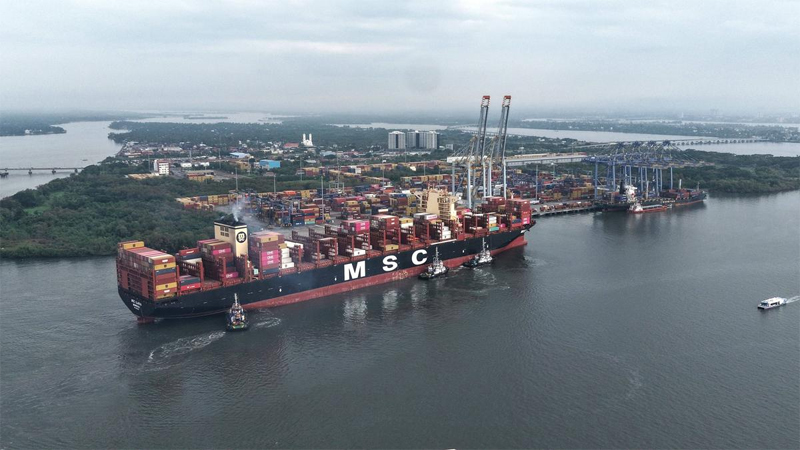
Furthermore, the strait’s closure accelerates the strategic imperative for enhanced regional infrastructure resilience. Venture capital flows are increasingly directed towards logistics technology startups focused on alternative maritime routes, port automation, and digital supply chain solutions, aiming to circumvent the Strait of Hormuz bottleneck. Simultaneously, sovereign funds are accelerating investments in inland energy corridors and renewable energy infrastructure within the Gulf Cooperation Council (GCC) and beyond, fostering greater regional energy security and reducing dependence on critical chokepoints. This dual push – driven by sovereign capital caution and VC-driven innovation – signifies a pivotal shift towards building a more robust, diversified, and technologically advanced MENA economic framework capable of weathering future geopolitical disruptions.