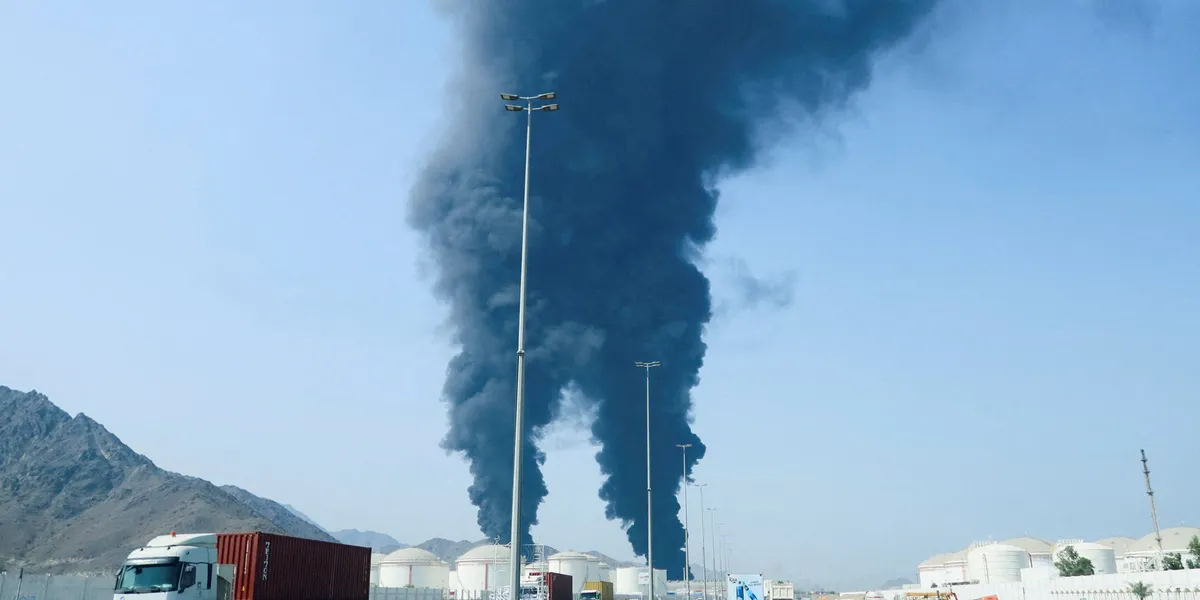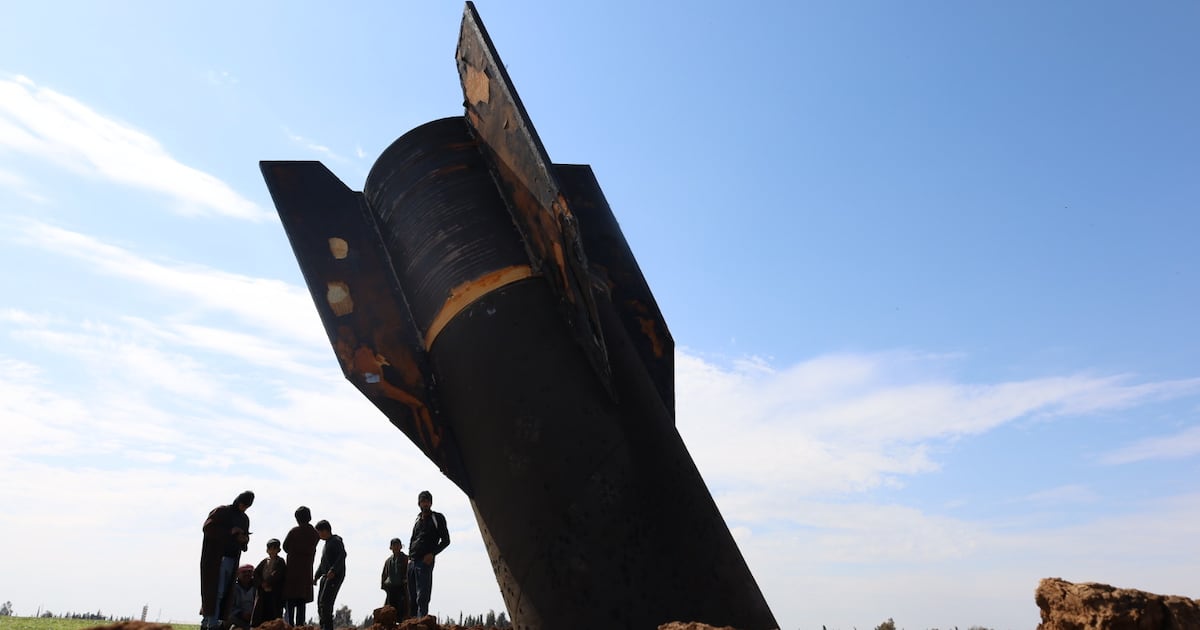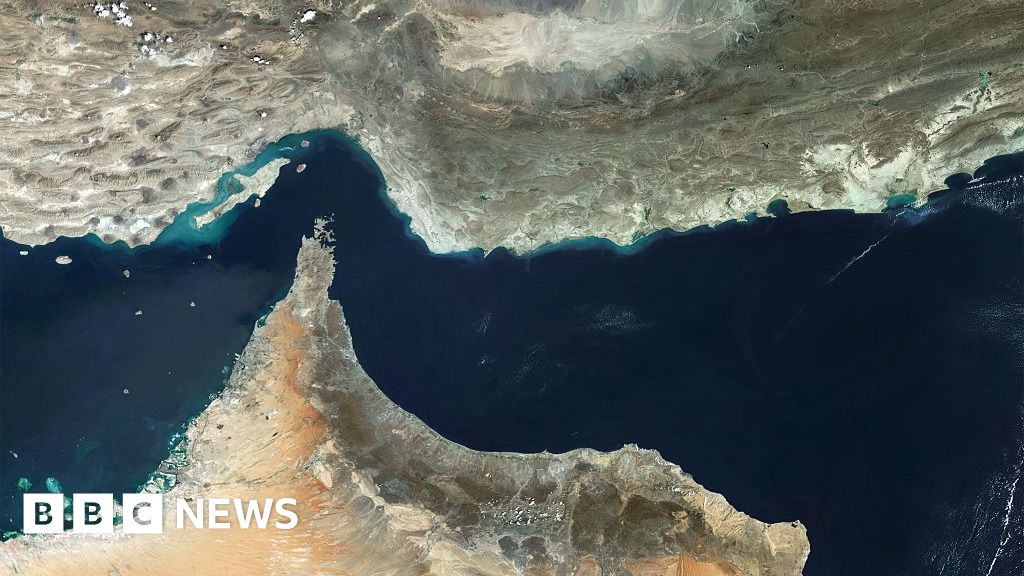

Iran’s threat to target the Strait of Hormuz, a choke point responsible for approximately 20-30% of global oil exports, introduces profound systemic risks to the MENA region’s economic equilibrium. The disruption of oil flow through this vital transit could trigger a commodities price crisis, disproportionately impacting energy-dependent economies across the Gulf Cooperation Council and Maghreb. Sovereign capital in the region, which has traditionally been leveraged for infrastructure and diversification projects, faces immediate threats to stability. Countries like Saudi Arabia and the UAE, which rely on both energy exports and strategic foreign investment, may need to recalibrate their sovereign wealth fund strategies to mitigate currency volatility and liquidity shocks. Such volatility could deter long-term investments in energy diversification initiatives, such as nuclear or hydrogen projects, diverting sovereign capital toward short-term risk mitigation rather than transformative infrastructure. The ripple effects could also strain cross-border financing mechanisms, including multilateral development bank loans, which are critical for sustaining regional development agendas.
The venture capital ecosystem in MENA, already navigating fragmented regulatory landscapes and macroeconomic uncertainty, stands to face a contraction in cross-border and domestic funding flows. The Strait of Hormuz’s volatility may erode investor confidence in Gulf-based startups, particularly those in energy tech or logistics sectors, redirecting VC capital toward defensive, commodity-linked ventures. This shift could stifle innovation in digital infrastructure and fintech—a sector poised to drive MENA’s economic transformation. Moreover, regional partnerships aimed at fostering tech hubs, such as those championed by Dubai Internet City or Riyadh’s NEOM, might face financing hurdles if geopolitical instability prolongs. The wave of sanctions against Iranian entities, coupled with retaliatory threats, could further fragment capital markets, making it challenging for MENA-based firms to access global venture networks. This dynamic risks entrenching the region’s reliance on traditional industries, undermining efforts to build a tech-first economic model.
The infrastructural implications of Iran’s threat demand urgent reassessment of regional supply chain resilience. Key oil and gas infrastructure projects in Libya, Iraq, and Yemen could face renewed risks, diverting security resources from investments in digital or renewable energy grids. Port authorities in major hubs like Jebel Ali or Khalifa International may need to incur significant costs to enhance security measures, a burden that could delay or price out smaller operators. Long-term, this could accelerate the adoption of alternative shipping routes or energy export corridors, but such transitions require substantial public-private investment that sovereign funds may struggle to mobilize amid macroeconomic pressures. Governments might prioritize energy security over innovation infrastructure, creating a misalignment between immediate fiscal needs and strategic visions for smart cities or green energy ecosystems. The combined effect could delay MENA’s ability to achieve the energy transition pledges set by COP28, further isolating the region in global capital markets dependent on ESG compliance.