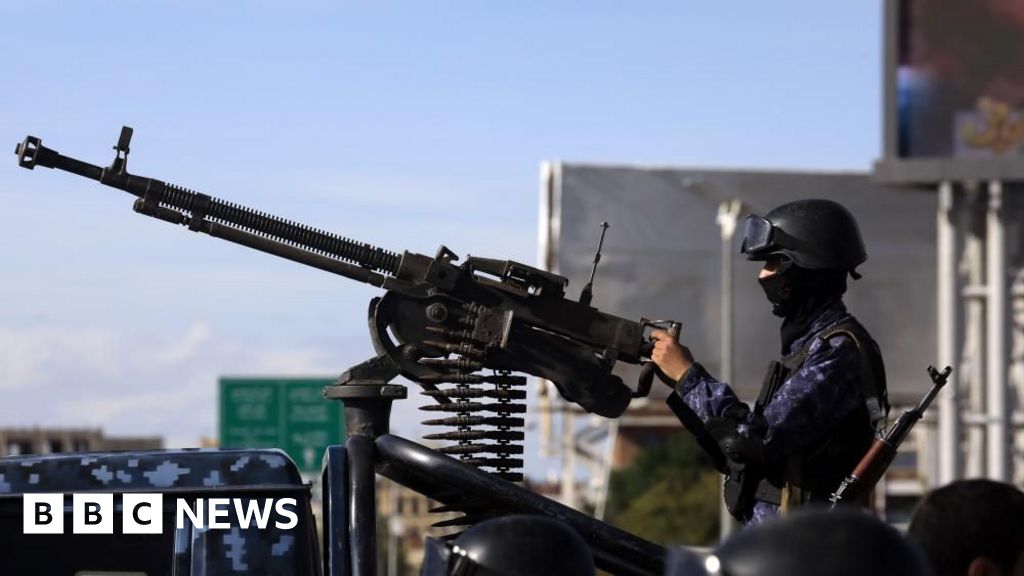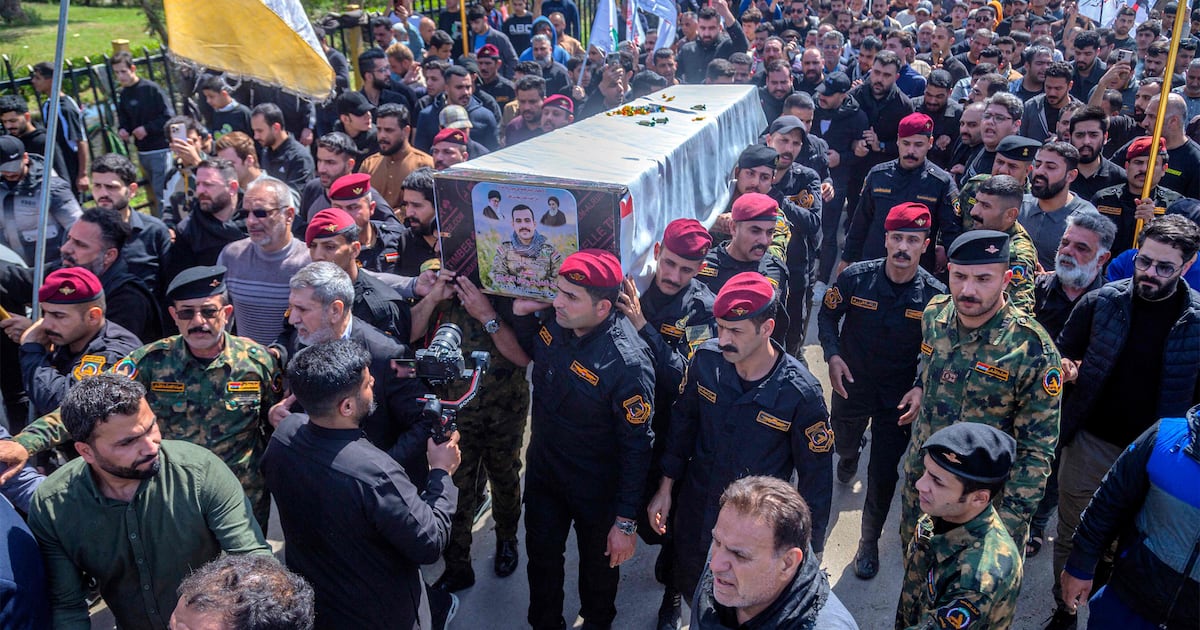

The latest precision strike onthe Aziziya headquarters of Asaib Ahl Al Haq—a key node within Iraq’s Iran‑aligned Popular Mobilisation Forces—marks a decisive escalation in the U.S.–Iran shadow conflict. Immediate security disruptions, coupled with retaliatory missile threats, are translating into heightened risk premia across the region’s sovereign debt markets, as investors demand broader spreads to compensate for geopolitical volatility.
From a sovereign‑capital perspective, Gulf Cooperation Council monarchies and Egypt’s Public Investment Fund are likely to reallocate toward liquidity‑rich, low‑beta assets, while selectively bolstering exposure to diversified energy assets that exhibit ancillary security safeguards. Meanwhile, sovereign wealth managers in Saudi Arabia and the United Arab Emirates are expected to intensify dialogue with regional security partners to embed defensive architectures into infrastructure financing frameworks, thereby insulating strategic projects from spill‑over attacks.
Venture‑capital pipelines are already witnessing a tactical pivot: limited partners are prioritising portfolio companies that specialise in resilient supply‑chain analytics, cybersecurity, and autonomous logistics—sectors that can operate under intermittent conflict conditions. The influx of capital into “security‑by‑design” platforms is poised to accelerate the integration of AI‑driven risk monitoring within critical infrastructure projects, reshaping the investment thesis for Middle‑East and North‑Africa (MENA) tech ecosystems.
Infrastructure planners must recalibrate asset‑allocation strategies to account for heightened exposure to kinetic and non‑kinetic threats. Projects encompassing renewable‑energy farms, desalination plants, and smart‑city utilities now face augmented insurance premiums and stricter force‑majeure clauses. As a result, financiers are advocating for hybrid‑financing structures that blend sovereign guarantees with private‑sector risk‑sharing mechanisms, ensuring continuity of essential services while preserving fiscal discipline across the region’s burgeoning megaprojects.