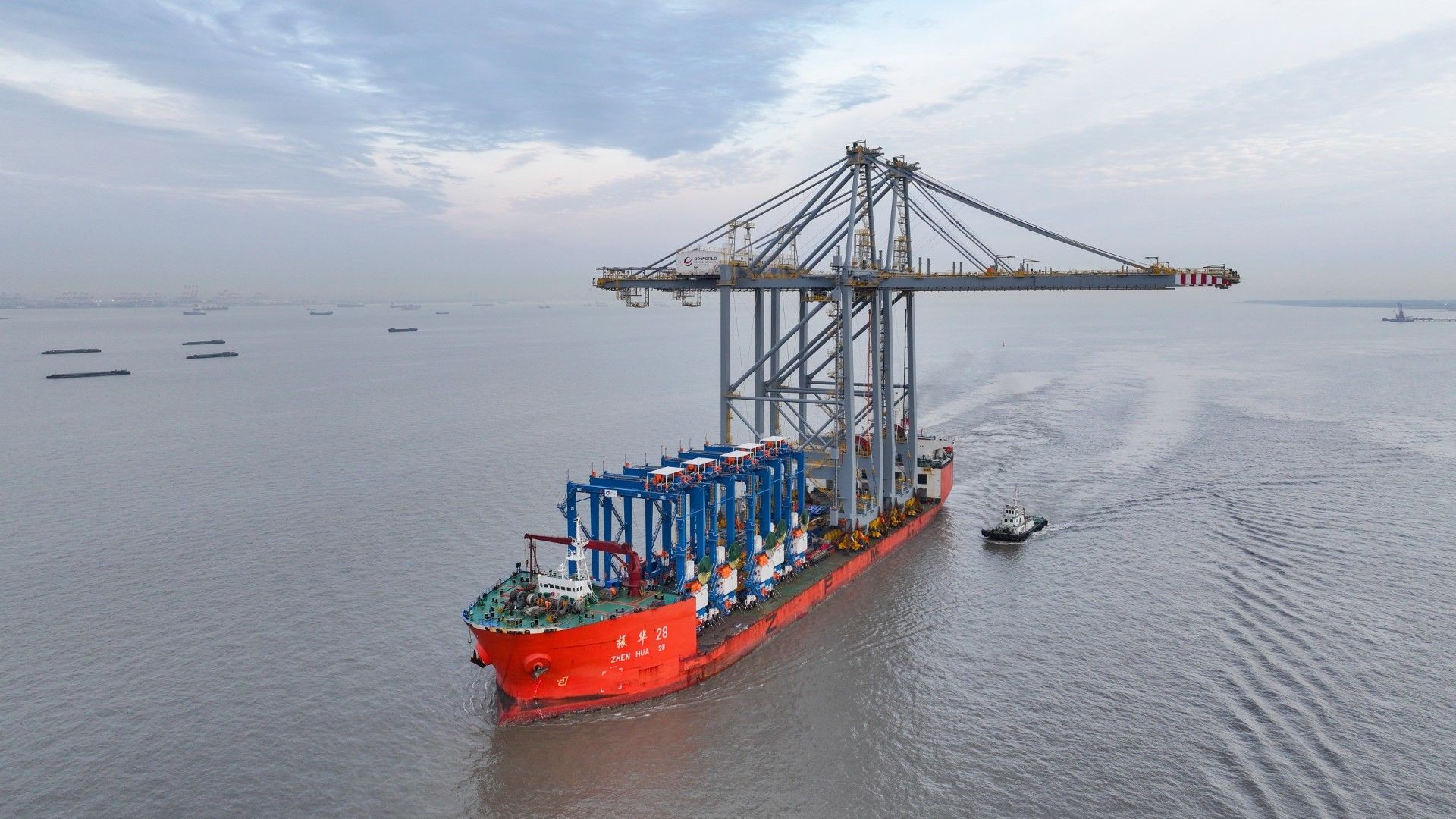

DP World’s £60 million upgrade of the Southampton deep‑water terminal, marked by the arrival of four fully assembled ZPMC ship‑to‑shore cranes, reinforces the United Kingdom’s strategic position as a gateway for trade between Europe, Asia and the Middle East. The new units, each rated at 65 t SWL with a 72 m outreach and quad‑lift capability, will boost the terminal’s handling efficiency for ultra‑large container vessels (ULCVs). Faster turn‑around times translate into higher berth utilisation and lower demurrage costs for shippers, a critical advantage for Gulf carriers seeking reliable European entry points for their intra‑regional feeder networks.
For sovereign wealth funds and state‑linked investors in the MENA region, the expanded capacity at Southampton offers a tangible asset class exposure tied to the growth of Eurasian trade corridors. The port now processes over 2 million TEU annually, a figure that, combined with London Gateway’s 3 million TEU throughput, accounts for more than half of the UK’s total container volume. This concentration of traffic under DP World’s control creates a robust cash‑flow stream that can underpin long‑term infrastructure debt instruments, a preferred structure for Gulf pension funds and investment arms seeking stable, inflation‑linked returns.
The venture capital community focused on logistics technology is likely to see heightened interest in ancillary services surrounding the upgraded terminals—automated yard management, AI‑driven scheduling platforms, and green‑energy retrofits for crane operations. The 25‑year service horizon of the ZPMC units provides a predictable timeline for technology pilots and scale‑up initiatives, reducing investment risk for early‑stage innovators targeting the MENA‑Europe logistics corridor.
From a regional infrastructure standpoint, the Southampton enhancement dovetails with Saudi Arabia’s Vision 2030 maritime hub ambitions and the United Arab Emirates’ ongoing diversification of its logistics portfolio. By integrating a European hub capable of handling the latest generation of container ships, MENA exporters gain a decisive competitive edge, lowering supply‑chain latency and reinforcing the Kingdoms’ roles as trans‑shipment nodes. The resulting uplift in trade volumes will feed back into sovereign balance sheets, offering a virtuous cycle of capital reinvestment into port authorities, rail links and digital trade platforms across the region.