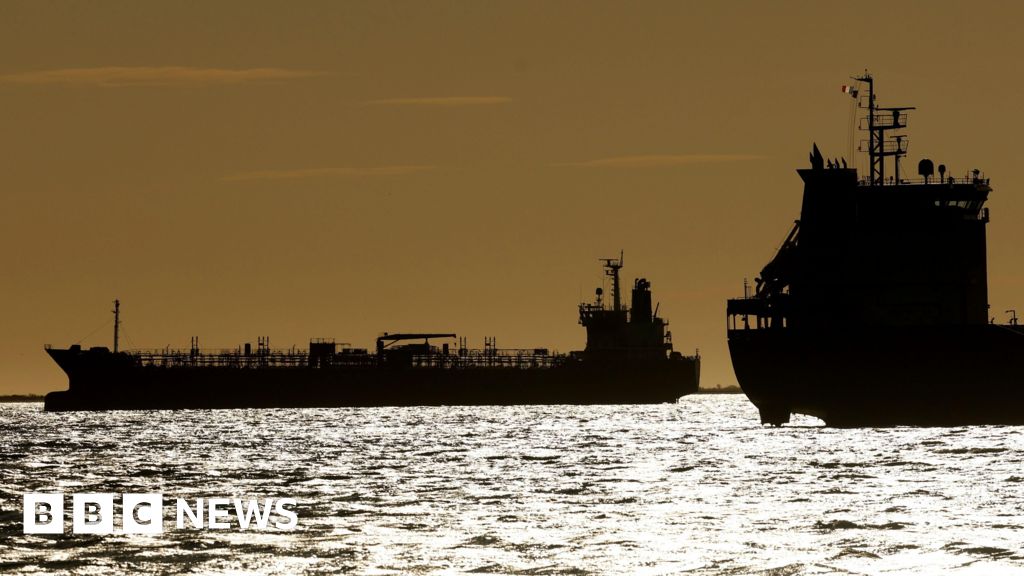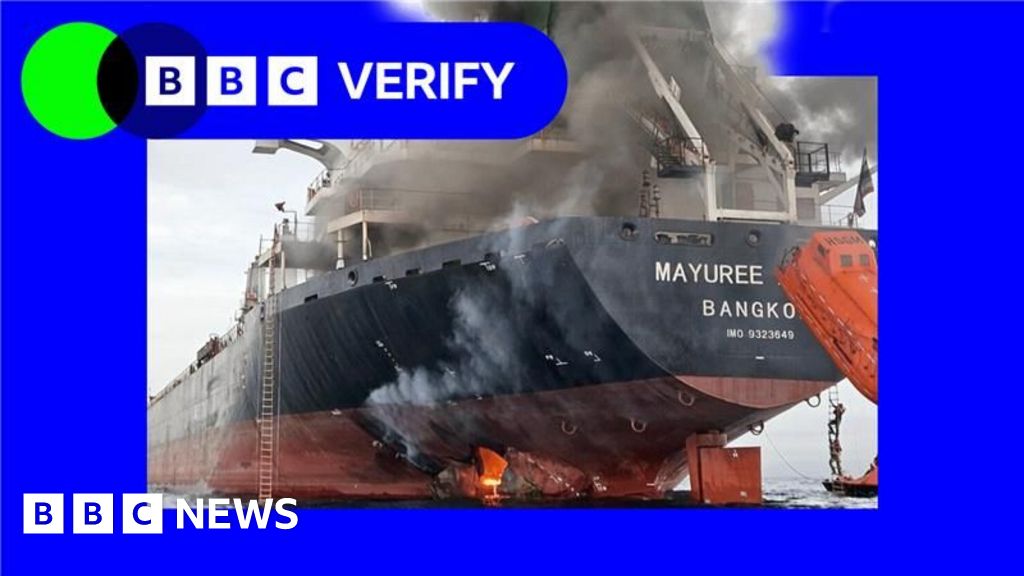

Recent incidents in the Gulf, with six vessels attacked within 48 hours and a cumulative total of 18 ships targeted since the conflict’s outset, underscore a sharp escalation in maritime threats that reverberates across the MENA financial and technology landscape.
From a sovereign capital perspective, the heightened risk profile compels regional governments to allocate additional fiscal resources toward naval deterrence and insurance guarantees, accelerating state‑backed financing rounds that prioritize defense‑linked infrastructure and supply‑chain resilience projects. These allocations are reshaping sovereign wealth deployment strategies, increasingly favoring contracted maritime security services, autonomous patrol platforms, and cyber‑resilient port management systems.
Venture capital activity is gravitating toward startups that deliver modular, AI‑driven fleet monitoring, predictive maintenance analytics, and secure multi‑modal logistics ecosystems, reflecting a market correction that rewards scalable, jurisdiction‑agnostic solutions capable of mitigating exposure to physical and cyber maritime risks.
Long‑term, the convergence of sovereign financing, strategic venture investment, and rapid infrastructure upgrades is set to amplify the region’s maritime trade capacity while simultaneously embedding fortified digital layers into Gulf logistics corridors, thereby reinforcing the MENA bloc’s positioning as a resilient hub for next‑generation trade flows.