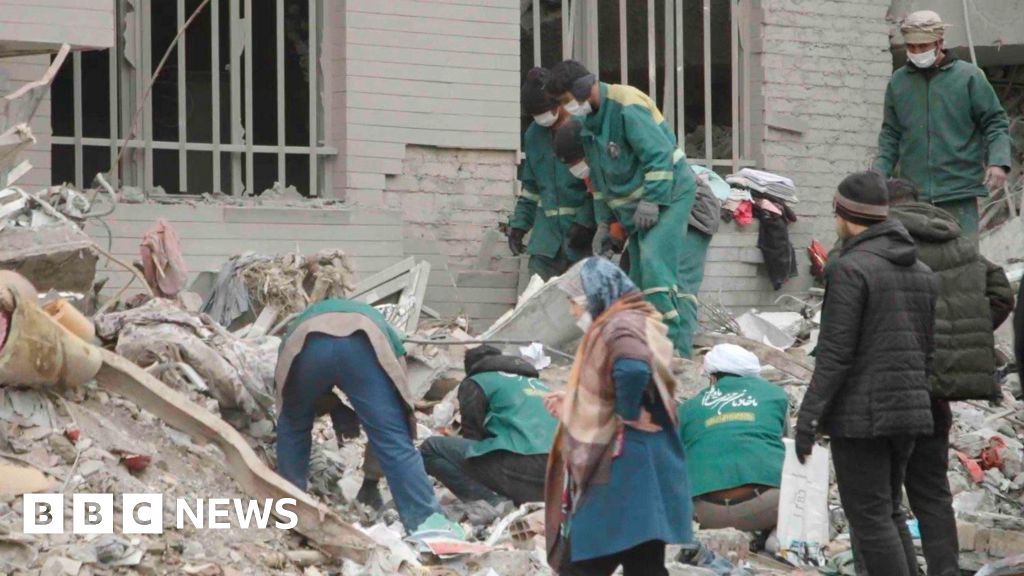

The recent military actions by the United States and Israel against Iran have triggered seismic reverberations across the Middle East and North Africa (MENA) region, with profound implications for sovereign capital flows and regional business ecosystems. The instability generated by these strikes has exacerbated existing economic vulnerabilities in Iran, threatening its ability to safeguard sovereign wealth and attract foreign investment. Tehran’s economy, already under sanctions and structural strain, now faces heightened capital outflows, potential credit rating downgrades, and a flight of confidence among both domestic and international financiers. For sovereign entities in the broader MENA region, this event underscores the fragility of economic interdependencies, particularly in sectors reliant on Iran’s energy exports or regional trade networks. The diversion of sovereign capital to defense or reconstruction efforts could accelerate years of underinvestment in critical infrastructure, stifling long-term growth prospects for neighboring nations that depend on regional economic cohesion.
Venture capital dynamics in the MENA region are likely to contract in the immediate aftermath of the strikes, as geopolitical uncertainty deters risk-tolerant investment in emerging technologies and startups. While the region has historically attracted VC inflows into fintech, renewable energy, and digital infrastructure, the current climate of regional volatility may redirect capital toward defensive sectors or stable jurisdictions outside the Gulf. This shift could undermine Iran’s nascent tech ecosystem, which has relied on cross-border investment and diaspora networks, while simultaneously dampening broader regional innovation. However, the crisis may also catalyze a realignment of VC strategies, with heightened focus on localization and resilience-building in supply chains—a trend that could benefit countries with diversified economic models, such as the UAE or Morocco, as they vie for regional technological leadership.
The damage to regional infrastructure, whether direct or indirect, poses a critical challenge to MENA’s economic recovery trajectory. Critical transport hubs, energy grids, and communication networks in Iran and adjacent countries are vulnerable to collateral damage, risking prolonged disruptions in trade and logistics. Such fragilities could trigger a regional ripple effect, increasing operational costs for businesses reliant on seamless cross-border movement of goods and services. From a macro perspective, rebuilding infrastructure will require substantial sovereign capital allocation, diverting resources from debt servicing or social welfare programs. Long-term, this could exacerbate regional fragmentation, as nations prioritize self-isolation over collective investment. The financial and technological sectors must therefore prepare for a protracted period of constrained capital mobility and heightened regulatory scrutiny, particularly in jurisdictions directly impacted by the conflict fallout.