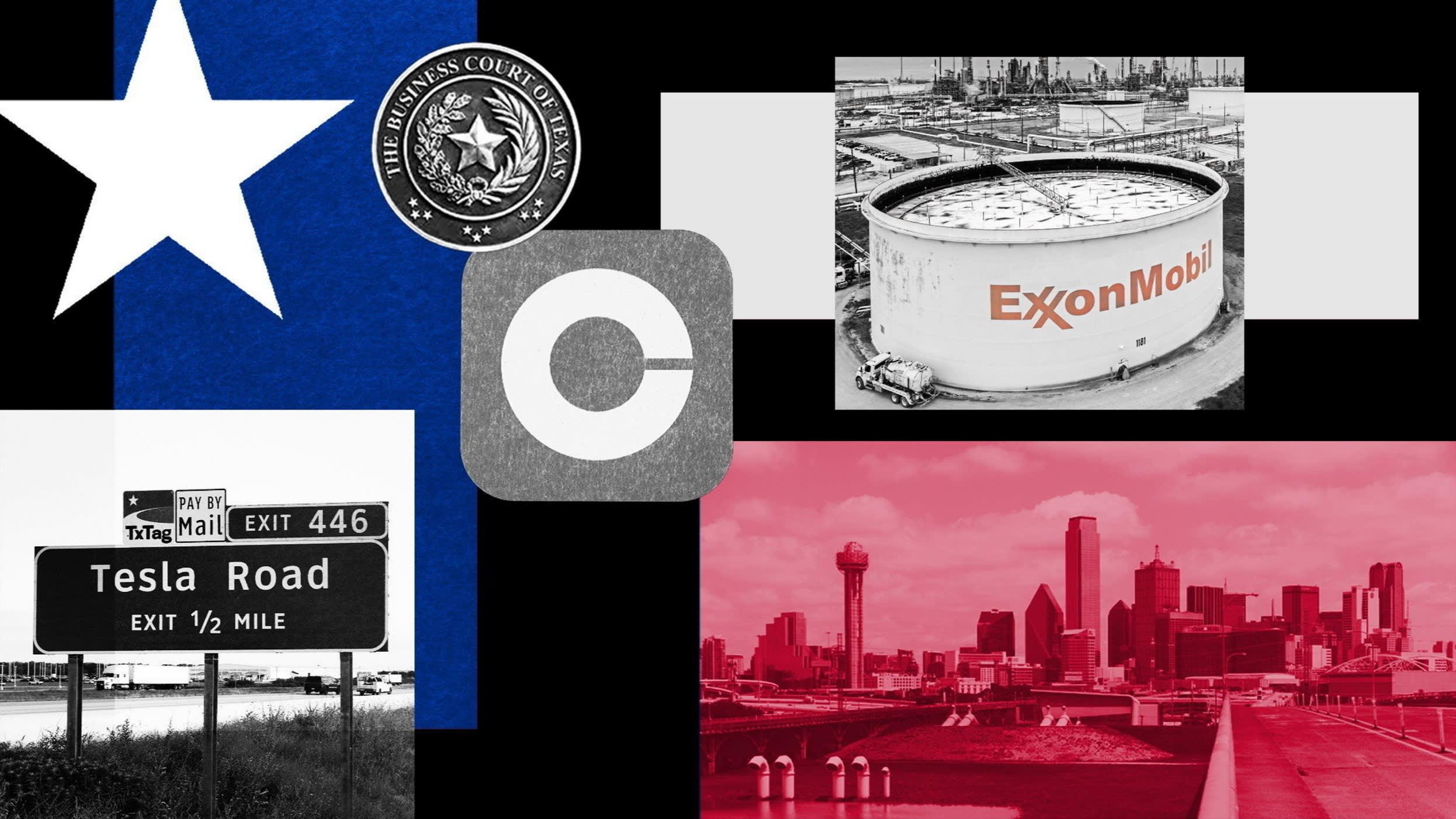

Texas, a longstanding economic powerhouse in the United States, is increasingly positioning itself as a deliberate alternative to the perceived economic vulnerabilities of coastal regions, a trend with significant implications for the broader Middle East and North Africa (MENA) economic landscape. This move, characterized by a focus on deregulation, tax cuts, and a pro-business environment, signals a recalibration of global economic power dynamics that inherently impacts investment flows and regional competitive advantages. The long-term business impact extends to sectors reliant on coastal infrastructure, potentially shifting capital towards inland alternatives and altering supply chain dependencies.
A key driver of Texas’s economic strategy is a commitment to sovereign capital deployment, particularly attracting foreign investment through tax incentives and streamlined regulatory processes. This resonates with the MENA region, which has been actively seeking to diversify its economies and unlock domestic capital pools. The Texas model offers a compelling alternative to the perceived risks associated with reliance on volatile global markets and geopolitical uncertainties that often plague coastal nations. Furthermore, the surge in venture capital activity in Texas, fueled by its burgeoning tech sector, mimics the evolving investment landscape in MENA, where venture capital is increasingly vital for fostering innovation and driving economic growth. The region’s ambition to become a regional innovation hub necessitates a scalable ecosystem, and Texas serves as a potent case study in building one.
The economic shift in Texas has substantial downstream implications for regional infrastructure development. The emphasis on deregulation and private sector investment could translate to increased demand for infrastructure projects across the MENA region. While the region has traditionally focused on oil and gas infrastructure, a broader diversification strategy necessitates robust logistical networks – ports, airports, and digital infrastructure – to support burgeoning sectors like renewable energy, tourism, and manufacturing. The successful implementation of Texas’s economic model requires a proactive approach to infrastructure investment, particularly in areas that facilitate trade, connectivity, and technological advancement. This translates to a need for regional financial institutions to prioritize infrastructure financing and actively pursue public-private partnerships.
The rise of Texas as an economic alternative is not an isolated phenomenon; it reflects a broader trend towards reshoring and regionalization of economic activity. For the MENA region, this necessitates a strategic reassessment of its economic policies and investment strategies. Focus must shift towards fostering a more competitive, business-friendly environment, investing in human capital, and developing robust regional infrastructure that can attract global investment. Failure to adapt will result in a diminished competitive position, making the region increasingly vulnerable to shifts in global economic power. The long-term success of MENA’s economic ambitions hinges on its ability to leverage lessons from successful economic models like that of Texas and solidify its position as a dynamic and resilient global economic player.