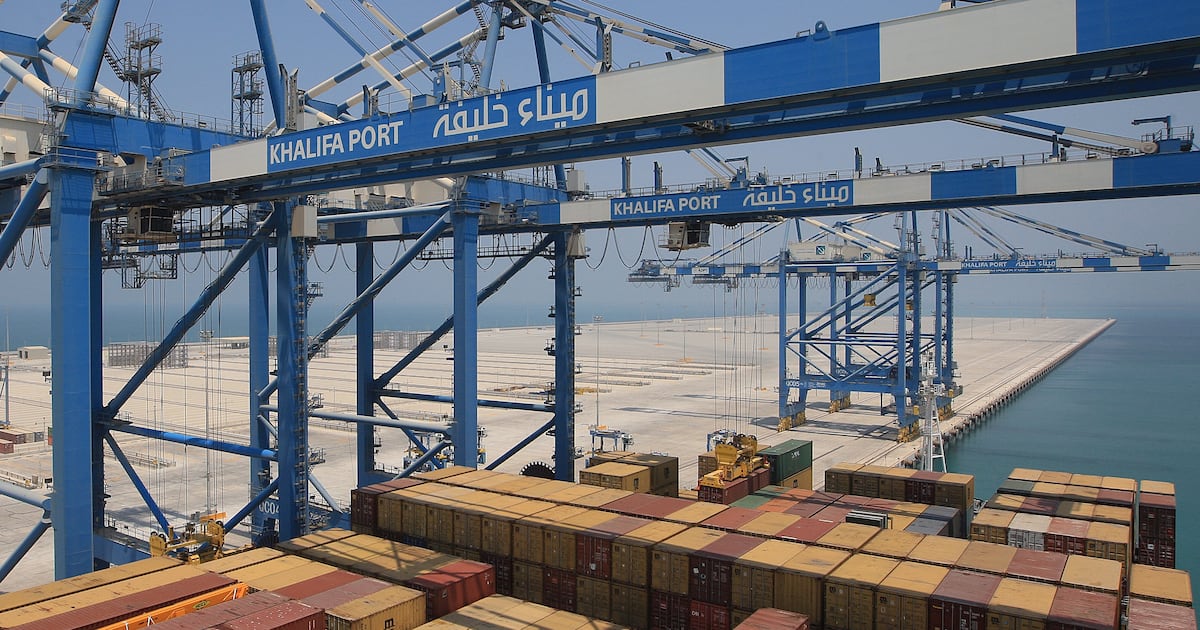

The UAE’s ascent into the WTO’s top 10 global goods exporters for the first time is not merely a statistical milestone but a definitive signal of a successfully executed economic statecraft strategy. This ranking, underpinned by a record $1.637 trillion in total trade and a soaring 26% annual surge in non-oil foreign trade beyond $1 trillion, reflects a deliberate and capital-intensive pivot away from hydrocarbon dependency. The scale of the Dh584 billion trade surplus generates significant sovereign capital that is being systematically redeployed into regional logistics infrastructure—from port expansions to digital trade corridors—and strategic technology investments, fundamentally enhancing the UAE’s role as an indispensable trans-shipment and services hub for the broader MENA region and beyond.
The structural drivers of this performance are two-fold: a multilateral CEPA diplomacy framework, now encompassing 35 agreements, and a targeted diversification into high-value, digitally native services. The rapid conclusion of trade pacts with nations from Gabon to Angola directly lowers barriers for Emirati exporters, a move that actively de-risks sovereign wealth fund (SWF) portfolios by opening new markets for portfolio companies. Concurrently, the 45% leap in non-oil exports and the $33 billion digital services export figure demonstrate the tangible returns from sovereign capital injections into venture capital and technology innovation. This capital is fostering a new generation of export-capable firms in fintech, logistics-tech, and e-commerce, effectively aligning national trade policy with private sector VC growth.
Geopolitical volatility and the WTO’s forecast of decelerated global trade growth in 2026 present material risks to this trajectory. However, the UAE’s response is characterized by strategic investment in operational resilience—automating customs processes, developing free zone special economic zones with next-gen regulatory frameworks, and securing long-term logistics contracts. This infrastructure-centric approach is designed to capture trade flows diverted from less stable regions, a narrative that directly supports valuations for regional logistics and infrastructure funds. The sovereign capital’s continued commitment to these “hard” and “soft” infrastructure assets is a deliberate hedge against global headwinds, ensuring the UAE maintains its competitive throughput advantage.
The regional implications are profound. The UAE’s trade surplus and its status as the leading MENA trading nation since 2014 create a powerful gravitational pull for regional supply chains. Neighboring economies are increasingly integrated as feeder markets into the UAE’s re-export ecosystem, a dynamic that attracts follow-on investment from global SWFs and private equity focused on regional distribution networks. This constitutes a form of economic statecraft where the UAE’s trade dominance translates into outsized influence over regional infrastructure development standards and trade policy alignment, effectively setting the operational blueprint for the wider MENA trade bloc.