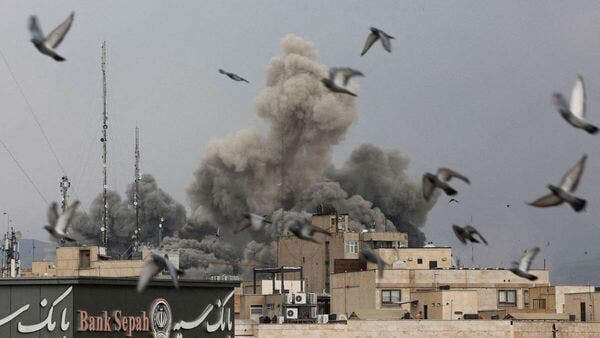

The United States has presented a comprehensive 15-point framework to Iran, reportedly delivered through Pakistan, seeking to de-escalate the ongoing regional conflict. While the full details remain emerging, this initiative carries significant implications for the Middle East and North Africa (MENA) region, with potential reverberations across sovereign capital markets, venture capital investment, and future infrastructure development. The US strategy’s success will hinge on Iran’s willingness to engage constructively, a condition complicated by deeply rooted geopolitical tensions and domestic political considerations.
Beyond immediate diplomatic efforts, this development is poised to reshape regional investment dynamics. Sovereign wealth funds (SWFs) across the MENA region, heavily influenced by long-term geopolitical outlooks, will be closely monitoring the potential for renewed stability. A resolution to the conflict, even a partial one, could unlock capital previously constrained by risk premiums, injecting liquidity into markets reliant on predictable economic environments. Simultaneously, the approach’s success could influence venture capital flows. While heightened risk in the short term may initially deter investment, a path towards de-escalation could signal a shift towards more predictable investment opportunities in sectors such as renewable energy, digital infrastructure, and cybersecurity – areas crucial for long-term economic diversification in the region.
The implications for regional infrastructure development are substantial. The current instability disrupts planned projects and delays crucial investments in sectors like energy, transportation, and communication. A de-escalation scenario allows for renewed confidence in long-term infrastructure projects, fostering greater foreign direct investment (FDI). This, in turn, facilitates the deployment of advanced technologies, bolstering regional competitiveness and enabling the necessary upgrades to support future economic growth. Furthermore, the framework’s emphasis on dialogue and diplomacy may encourage increased collaboration on infrastructure initiatives amongst regional players, creating opportunities for both public and private sector engagement.
However, it is crucial to acknowledge the inherent uncertainties. The deeply entrenched animosity between Iran and Israel, coupled with evolving power dynamics within the region, presents a formidable challenge. The effectiveness of the US plan will be determined by its ability to address underlying grievances and navigate complex political landscapes. MENA financial institutions and investors must exercise caution while closely observing the trajectory of this diplomatic effort, recognizing that any significant shift in regional stability carries profound and multifaceted economic consequences. The long-term business impact will depend on whether this initiative successfully catalyzes a durable resolution, paving the way for sustained economic growth and regional prosperity.