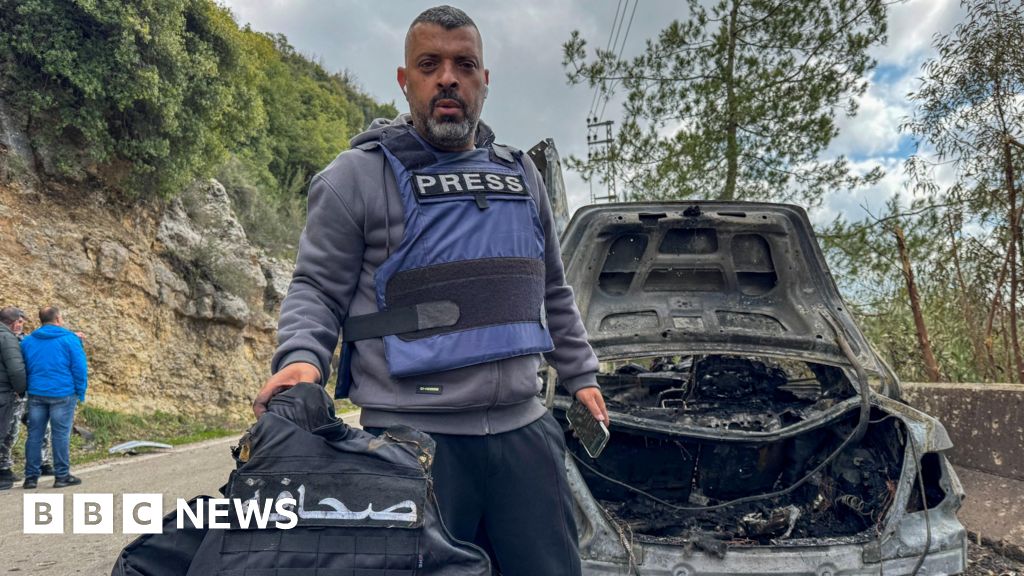

The reported killing of Ali Shoeib, affiliated with Hezbollah’s Al Manar TV, by the Israeli military represents a potentially destabilizing development within the already volatile Middle East. While the immediate impact remains localized, the incident carries significant implications for regional financial flows, sovereign capital allocation, and the ongoing development of critical infrastructure across the MENA region. Investor sentiment, particularly concerning direct investments and projects reliant on regional stability, is likely to be negatively affected. Increased geopolitical risk often leads to capital flight and a reassessment of risk premiums on sovereign debt within the region, potentially hindering planned infrastructure projects and economic diversification initiatives.
Beyond direct financial repercussions, the event underscores the persistent security concerns that continue to constrain private sector investment. Sovereign wealth funds in the region may face pressure to re-evaluate allocation strategies, prioritizing defensive assets and potentially diverting capital from growth-oriented ventures. Furthermore, the heightened tensions could impact the flow of venture capital, especially towards technology and innovation hubs in countries bordering Lebanon or those heavily reliant on regional trade routes. Start-ups, which are vital for economic expansion and job creation, become more vulnerable to funding constraints when geopolitical uncertainty increases. This effect could disproportionately impact countries actively pursuing digital transformation and technological advancement.
The long-term ramifications could reshape regional infrastructure planning. Projects vital for connectivity, energy security, and economic integration – such as enhanced transport networks, energy pipelines, and digital infrastructure – may face delays or cancellation due to heightened risk assessments. Multilateral development banks and international investors will likely exercise greater caution, demanding enhanced security provisions and contingency plans for any future developments. The incident could also accelerate a shift towards regional self-reliance in critical sectors, potentially impacting collaborative infrastructure efforts and promoting localized supply chains.
Ultimately, the potential escalation stemming from this incident highlights the interconnectedness of geopolitical stability and regional economic prosperity. Managing these risks will require proactive diplomatic efforts, de-escalation measures, and robust risk mitigation strategies from both public and private sector stakeholders. Maintaining investor confidence and fostering a stable investment climate in the MENA region necessitates a sustained commitment to security and a clear roadmap for long-term economic growth, especially concerning infrastructure development critical to regional competitiveness.