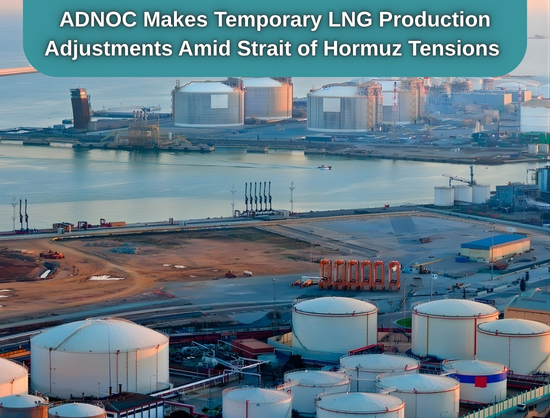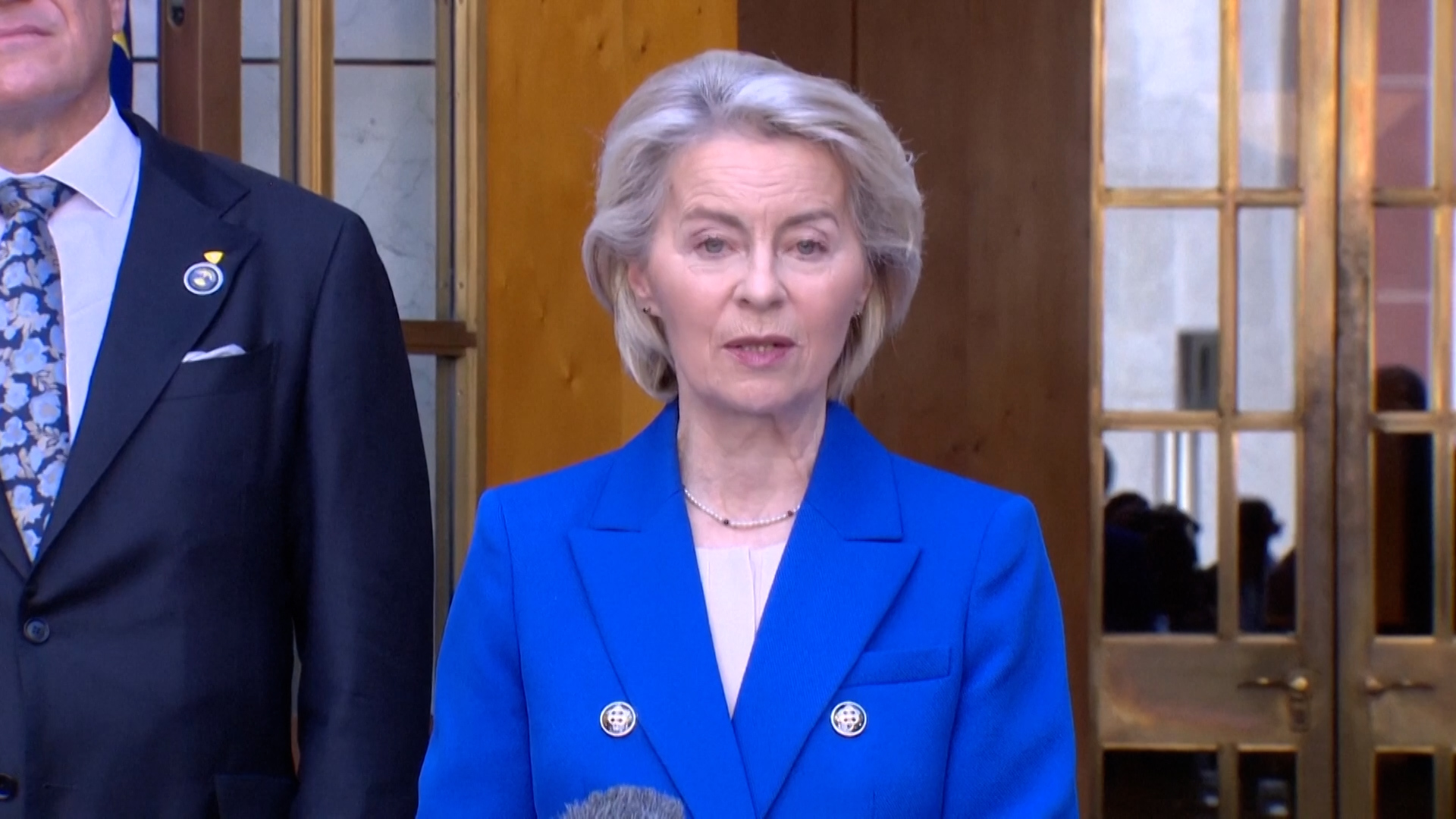

TheEuropean Commission President’s call for diplomatic engagement with Iran and the immediate cessation of restrictions on maritime transit through the Strait of Hormuz represents a critical inflection point with profound implications for the Middle East and North Africa (MENA) region’s economic architecture. This development directly impacts global energy markets and regional supply chains, catalyzing potential shifts in sovereign capital deployment and venture capital flows. The Strait, responsible for an estimated 20-30% of global oil and gas shipments, is a linchpin of global energy security. Any resolution to Iran’s recent shipping restrictions could rapidly alleviate current logistical bottlenecks, stabilize hydrocarbon prices, and stimulate trade volumes, particularly benefiting MENA oil and gas exporters reliant on seaborne exports. Consequently, sovereign wealth funds (SWFs) and government investment vehicles across the GCC are likely to intensify capital deployment into critical energy infrastructure, logistics optimization, and regional economic diversification projects, aiming to capitalize on anticipated increased demand and improved trade corridors.
The geopolitical thaw, if sustained, creates a favorable environment for sovereign capital to seek higher-risk, higher-reward opportunities within the region, particularly in strategic sectors such as energy transition, digital infrastructure, and downstream industries. MENA states possess substantial sovereign resources, and this shift presents a unique window to accelerate long-term national development plans. Simultaneously, foreign direct investment (FDI) and venture capital, previously constrained by regional tensions and perceived instability, are poised for significant influx. The reduction in immediate military and geopolitical risk could unlock billions in private capital targeting technology hubs, renewable energy projects, and logistics networks, fostering a more conducive ecosystem for innovation-driven enterprises. Venture capital firms, historically active in fintech, e-commerce, and agritech within the MENA, are likely to increase their regional focus, particularly in countries demonstrating stability and policy liberalization.
The imperative to modernize critical infrastructure – encompassing port expansion, smart grid development, and 5G/6G networks – will accelerate, driven by both sovereign needs and private sector demand. This creates substantial opportunities for public-private partnerships (PPPs) and sovereign-led infrastructure funds. The improved diplomatic climate facilitates greater cross-border economic cooperation, potentially leading to regional infrastructure mega-projects integrating energy, transport, and digital networks. Furthermore, enhanced stability reduces the risk premium associated with MENA investments, making regional sovereign bonds and project finance more attractive to global institutional investors. The strategic realignment necessitated by this potential shift demands robust policy frameworks from MENA governments to effectively channel both sovereign and foreign capital into high-impact, sustainable projects that enhance regional resilience and global competitiveness. The economic ramifications extend far beyond immediate energy prices, fundamentally reshaping the trajectory of regional economic development and foreign investment patterns.