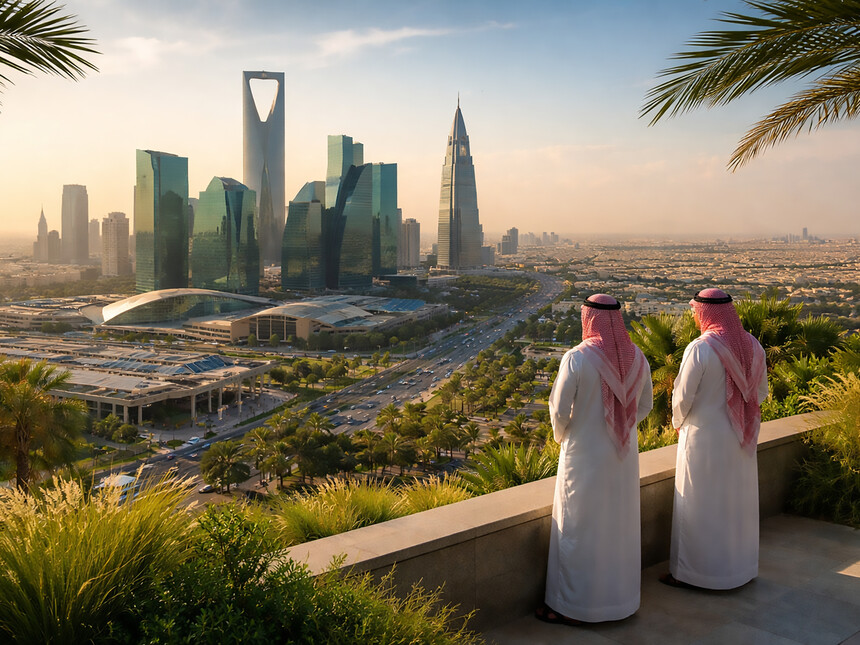

Saudi Vision 2030 represents the most significant strategic rebalancing of a major hydrocarbon economy in modern history, fundamentally reshaping the Middle East’s investment landscape. At its core, the strategy is a capital-led transformation, with the Public Investment Fund (PIF) acting as the primary engine of sovereign wealth deployment, directly catalyzing over $1 trillion in announced mega-projects and ecosystem building. This state-directed allocative efficiency is designed to crowd in private capital—both domestic and international—by de-risking foundational sectors like tourism, logistics, and digital infrastructure, thereby establishing new asset classes for regional and global portfolio investment. The PIF’s dual mandate as both an investor and a development vehicle has effectively created a sovereign-backed venture studio model, seeding sectors from entertainment to fintech and setting valuation benchmarks that reverberate across MENA VC markets.
The business impact is materializing through a deliberate fracturing of the oil-dependent economic model. The explicit target of raising the private sector’s contribution to GDP from 40% to 65% is being pursued via a combination of regulatory overhaul, localized procurement policies, and the strategic listing of PIF assets (e.g., stc Group, Riyad Bank). This has triggered a surge in non-oil FDI, with the financial services, technology, and tourism sectors attracting the bulk of new capital. The unprecedented acceleration in tourism—with the 150 million visitor target signaling a bet on hospitality and entertainment as core export industries—has spurred parallel infrastructure investments in airports, real estate, and destination management, creating a virtuous cycle for adjacent service and technology providers. Concurrently, the aggressive digital transformation agenda, underpinned by a unified government platform and broadband expansion, is not merely a domestic efficiency play but a deliberate export strategy, positioning Saudi technology solutions for regional scalability and attracting global tech partnerships.
A critical, often under-analyzed pillar is the human capital re-engineering directly tied to venture capital and private sector growth. The hyper-acceleration of female labor force participation and the reduction of overall unemployment to 7% are not solely social metrics; they are strategic inputs for a future knowledge economy. Programs like the Saudi Human Capability Development Program are systematically aligning education outputs with private sector needs in tech, logistics, and finance, creating a deeper talent pool for both domestic startups and multinationals. This is complemented by sovereign initiatives like the Saudi Venture Capital Company, which provides cornerstone funding to local funds, addressing the early-stage funding gap and building a sustainable pipeline of regional unicorn potential. The privatization drive in healthcare, targeting a rise from 25% to over 65% private sector involvement, further exemplifies the model: opening regulated, essential services to private and foreign investment requires sophisticated operational and technological partners, thus attracting specialized institutional capital.
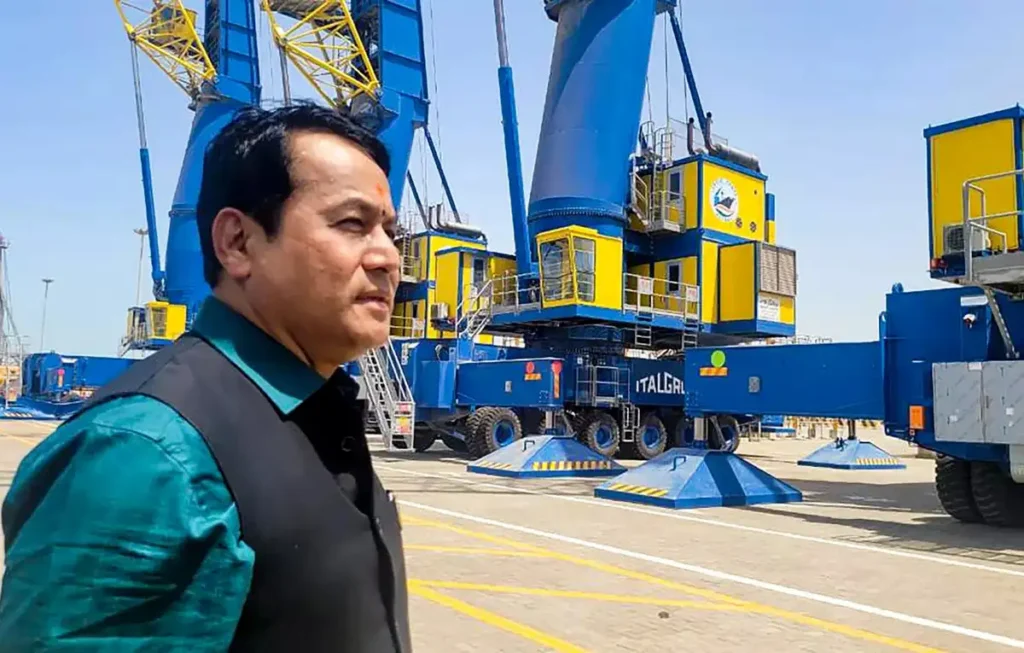
The regional infrastructure implications extend far beyond national borders. Projects such as NEOM, the Red Sea Global developments, and Qiddiya are being architected as testbeds for integrated smart city technologies, renewable energy systems, and sustainable tourism models, effectively exporting a “Saudi standard” for megaproject development. This positions the Kingdom as a hub for regional supply chains in green hydrogen, logistics (via ports like Jeddah Islamic Port), and digital connectivity. The resulting infrastructure overcapacity in niche areas—such as data centers and specialized tourism facilities—will inevitably seek utilization through regional trade and investment agreements, reshaping North African supply chains and Gulf transit corridors. Consequently, Vision 2030 is less a national plan and more a regional capital market catalyst, redefining risk perceptions for MENA infrastructure, forcing a recalibration of sovereign and VC allocation strategies across the region, and establishing a new benchmark for state-led economic transformation in a post-oil era.