
The recent diplomatic overtures between the United States and Iran, facilitated by Pakistan, present a complex and potentially transformative set of implications for the Middle East and North Africa. While details remain nascent, the reported exchange of a 15-point plan and high-level discussions signal a potential shift in the regional security landscape with significant ramifications for sovereign capital flows, venture capital deployment, and long-term infrastructure development.
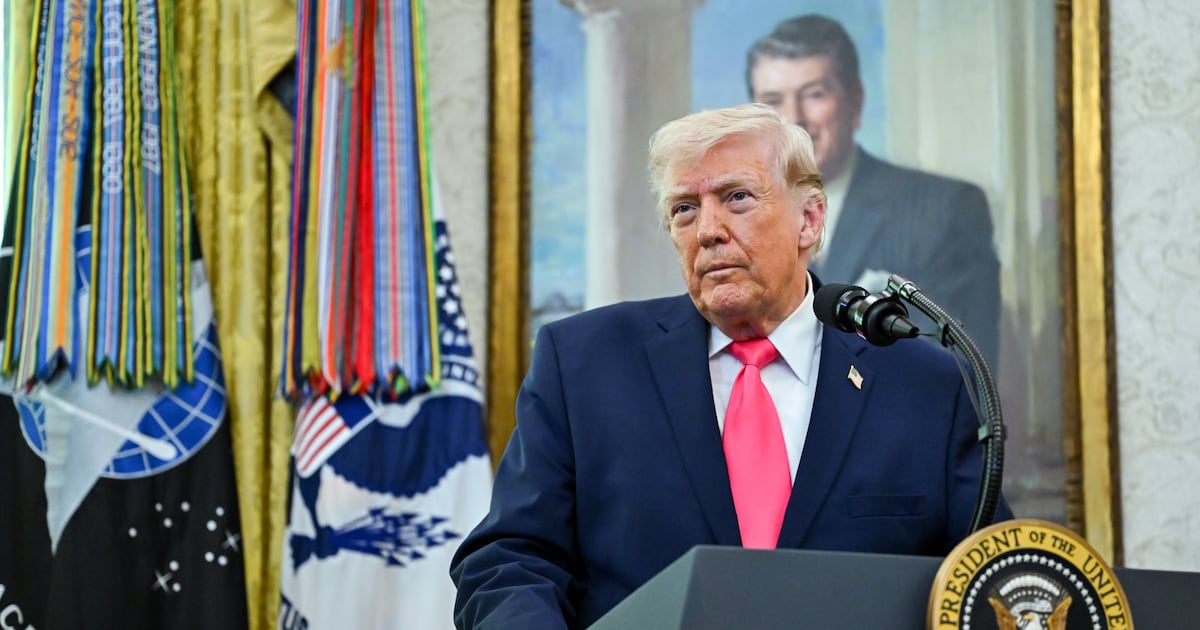
The potential for a de-escalation of direct conflict, as suggested by President Trump’s statements and the postponement of military strikes, could unlock significant capital for the region. Sovereign wealth funds, currently allocated towards defense spending and risk mitigation, may have greater capacity to invest in long-term infrastructure projects – particularly in energy transition, digital technologies, and sustainable development. This shift in risk perception could also stimulate renewed venture capital activity, attracting international investment into sectors previously constrained by geopolitical uncertainty. The reopening of the Strait of Hormuz, a critical global energy artery, would further bolster regional economic stability and facilitate trade routes essential for infrastructure projects.
However, the path to a lasting agreement will be arduous and contingent on verifiable commitments from both sides. The reported demand for complete dismantling of Iran’s nuclear program and the cessation of funding for proxy groups will necessitate robust international oversight mechanisms. Furthermore, the potential for a sustained period of stability is intrinsically linked to the broader regional political dynamics and the continued involvement of external actors. The strengthening of regional infrastructure, including energy grids and transport networks, will be crucial to fostering economic recovery and promoting resilience in the face of future geopolitical shifts. This will require coordinated investment strategies and a focus on building robust multilateral partnerships.
The implications extend to the broader technological landscape. A resolution to the conflict could accelerate the adoption of digital infrastructure and smart city initiatives across the MENA region. Increased foreign direct investment, spurred by a more stable environment, will fuel demand for advanced communication networks, cybersecurity solutions, and data analytics platforms. Conversely, continued instability poses a significant impediment to technological advancement and economic growth. The evolving geopolitical calculus underscores the imperative for regional governments to prioritize long-term economic diversification and sustainable development strategies, leveraging technological innovation to create resilient and prosperous economies capable of attracting global capital and fostering regional integration.