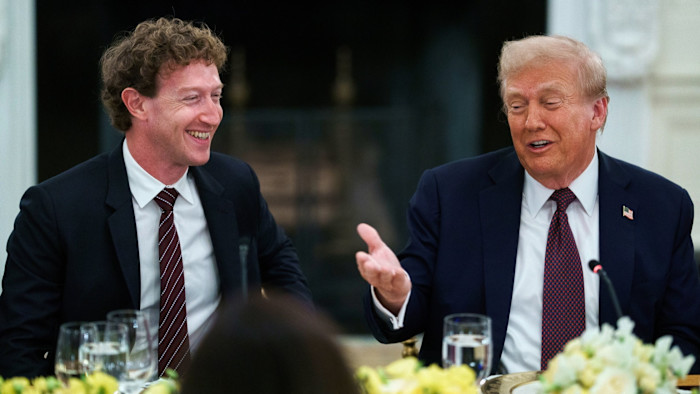

The formal integration of leading US technology executives into the White House advisory structure represents a decisive shift in Washington’s innovation policy, with direct and immediate ramifications for capital allocation strategies across the Middle East and North Africa. Sovereign wealth funds and state-backed investment vehicles in the Gulf, which have deployed over $100 billion into global technology assets since 2020, will recalibrate their US portfolio strategies. The administration’s explicit prioritization of accelerated AI infrastructure development, relaxed export controls, and a deregulatory stance for both artificial intelligence and cryptocurrency creates a more permissive environment for existing investments in entities like Nvidia, Oracle, and affiliated venture capital funds. This policy signal will likely accelerate the flow of MENA sovereign capital toward US-based AI infrastructure and crypto market infrastructure, while simultaneously prompting a strategic review of exposures in sectors designated as national security risks, as starkly demonstrated by the recent Anthropic designation.
For the region’s nascent but rapidly expanding venture capital ecosystem, the White House’s policy framework introduces both opportunity and heightened competitive pressure. The US administration’s advocacy for “light-touch” regulation and its focus on maintaining a global first-mover advantage in AI will intensify the battle for early-stage, high-potential technology startups. MENA-based VCs, from large entities like the SaudiVC fund to regional operators such as BECO Capital, will face stiffer competition for deals in global AI and crypto innovation hubs, as US-based funds, buoyed by favorable policy and deep ties to the advisory council, gain a perceived advantage. Conversely, the explicit US policy push for crypto market structure legislation may catalyze parallel regulatory developments in MENA financial centers like the Dubai International Financial Centre and Abu Dhabi Global Market, potentially unlocking new exit pathways and attracting US crypto firms seeking a regulated international base, thereby creating a secondary flow of venture capital and company formation into the region.
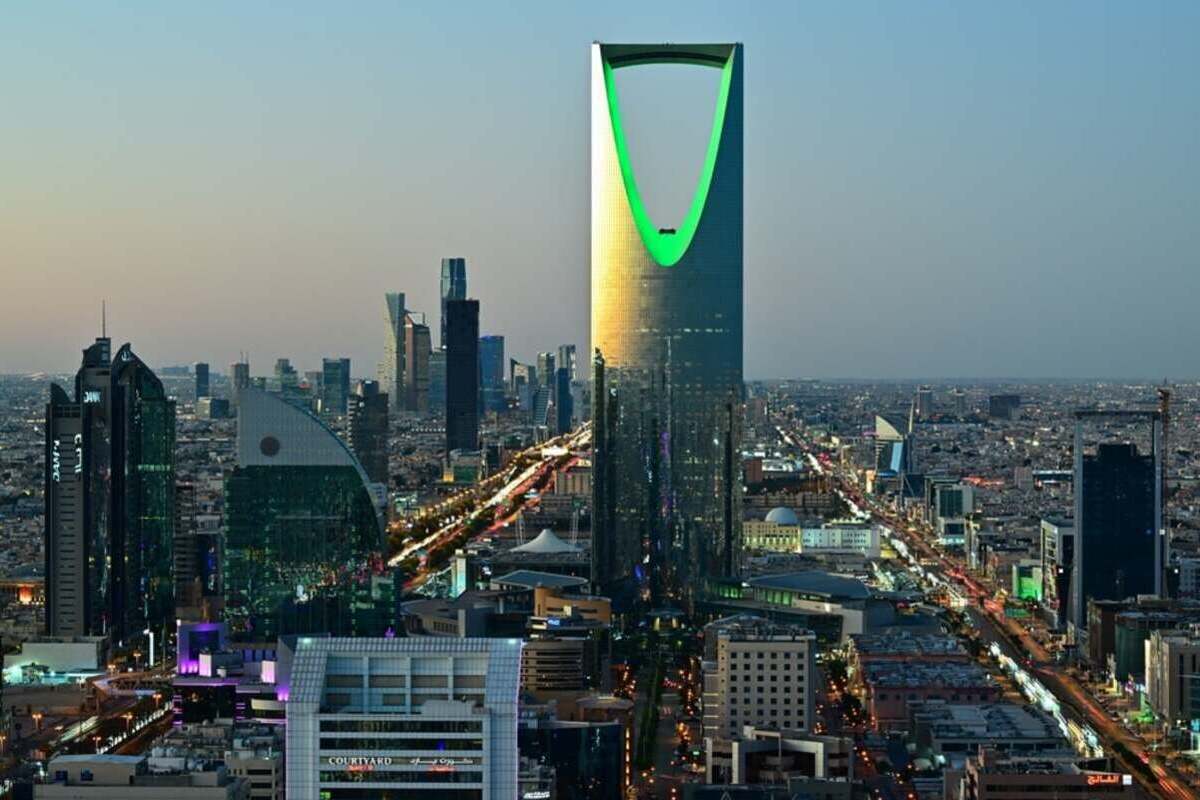
The broader infrastructure and geopolitical implications for MENA are profound. The Trump administration’s coalescence of technological and commercial interests signals a model where national security, economic competitiveness, and private capital are fused—a template already being emulated by Gulf Cooperation Council states through initiatives like Saudi Arabia’s NEOM and the UAE’s AI 2031 strategy. The deepening of these US industry-government ties will influence the technology stack and vendor selection for mega-projects across the region, potentially favoring US cloud providers, semiconductor firms, and AI developers aligned with the council’s members. Furthermore, the explicit politicization of technology supply chains, evidenced by the Pentagon-Anthropic conflict, will force MENA sovereign investors and state-owned enterprises to navigate an increasingly bifurcated global tech landscape. Their future infrastructure partnerships and technology licensing agreements will require meticulous due diligence on alignment with both US policy directives and their own national digital sovereignty goals, making the advisory council’s influence a permanent variable in regional economic planning.