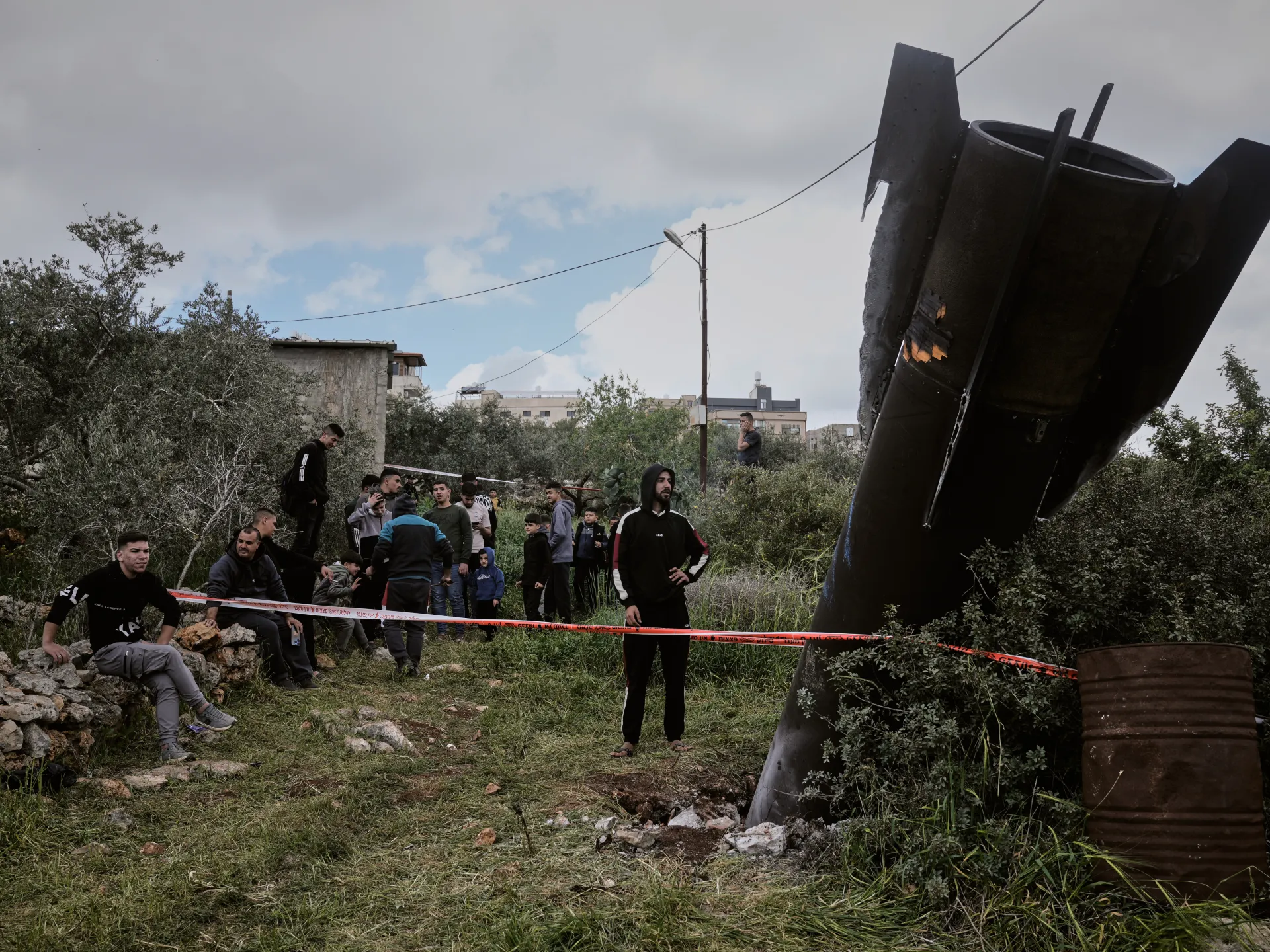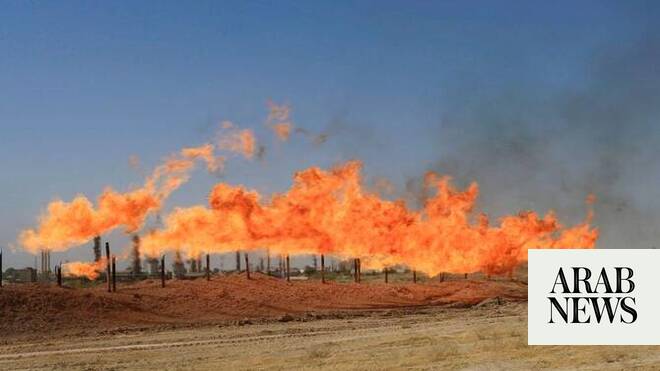

The escalation of U.S. military deployments in the Middle East, including the activation of the 82nd Airborne Division and reinforced Marine Expeditionary Units, signals a strategic pivot with profound business and sovereign implications. The heightened threat of ground operations in Iran underscores vulnerabilities in regional energy infrastructure, particularly the Strait of Hormuz, through which 20% of global oil transits. Recent attacks on Gulf facilities—coupled with Iran’s shifting messaging on maritime access—create volatility for energy exporters and insurers, while deterring investment in critical sectors like shipping and logistics. Corporations reliant on regional stability may recalibrate operations or deepen hedging against geopolitical disruptions, as supply chain risks intensify amid stalled diplomatic resolutions.
Sovereign capital markets face dual pressures: the fiscal burden of defense spending in Middle Eastern states and the potential for capital flight. Gulf economies, already grappling with subdued oil demand and structural reforms, may divert resources toward military expenditures, delaying infrastructure projects vital to economic diversification. Iran’s precarious financial position—exacerbated by sanctions and limited access to global capital markets—risks triggering currency devaluations, debt restructuring, and reduced sovereign liquidity. Concurrently, U.S. fiscal constraints, as defense spending surges, could strain its own budget trajectory, with ripple effects on global capital flows and risk appetite for emerging markets reliant on American financial support.
Venture capital dynamics in the region are bifurcated by the intensifying conflict. While defense tech and cybersecurity sectors stand to benefit from U.S. military contracts and regional security anxieties, broader VC ecosystems face headwinds. Uncertainty surrounding Iran’s nuclear program and mixed signals on de-escalation deter cross-border investments, particularly in sectors like fintech or renewable energy that depend on multi-stakeholder collaboration. Conversely, Gulf states may leverage the impasse to court foreign capital for resilience-focused ventures, such as desalination or data centers, though lingering instability limits appetite for long-duration bets. Domestic startups in conflict-adjacent fields, from drone technology to border security, could attract niche interest, though limited access to venture pipelines remains a hurdle.
Regional infrastructure narratives are locked in a zero-sum game of militarization versus development. The U.S. focus on rapid deployment capabilities signals prioritization of operational logistics over civilian projects, potentially diverting attention from climate adaptation or transit modernization. Meanwhile, Iran’s infrastructure—fraught by sanctions and wartime damage—risks further decay, jeopardizing post-conflict recovery and economic recovery. Should tensions ease, cross-border infrastructure initiatives, such as the Belt and Road-inspired corridors proposed by Gulf states, could gain traction, but their realization hinges on renewed diplomatic engagement. In the interim, militarized infrastructure investments, including hardened energy grids and secure ports, may dominate spending agendas, reshaping the region’s economic landscape around conflict-readiness rather than sustainable growth.