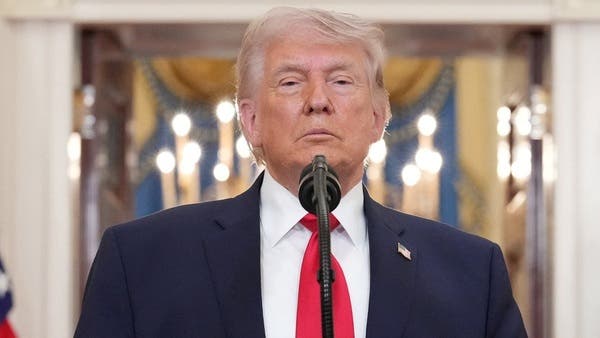

The coordinated military strikes carried out in Tehran signal a seismic escalation that goes beyond mere regional conflict. The targeted strike on Iran’s military leadership—publicly announced by United States President Donald Trump via his Truth Social platform—delivers an unequivocal message about American resolve in the region. While the footage circulating online depicts a city skyline illuminated by multiple detonations, the absence of a timestamp has not tempered market speculation about the scale and precision of the operation. Military analysts speculate this strike aims to decapitate Iran’s defense command chain at a moment when inflation, debt servicing pressures, and the risk of regional contagion loom large over the global economy.
Financial markets across the Middle East reacted instantaneously, with crude benchmarks spiking as traders reassessed the likelihood of supply interruptions through the Strait of Hormuz. The Gulf Cooperation Council’s sovereign funds, particularly those of the UAE and Saudi Arabia, could see portfolio repricings as geopolitical risk premia are reapplied to equity, fixed income, and physical infrastructure holdings. At the same time, venture capital inflows into MENA technology hubs such as the Dubai International Financial Centre and King Abdullah Financial District may face headwinds if institutional investors reassess capital deployment strategies under heightened volatility scenarios. Sovereign capital continues to act as both shock absorber and policy lever—supporting currency pegs and underwriting liquidity in local bond markets.
Long-term regional infrastructure strategies—years in the making—now face a recalibration point: Gulf states have accelerated sovereign diversification away from hydrocarbon exposures, investing in renewables, logistics hubs, and digital ecosystems. However, the path to execution is contingent on sustained stability. A protracted escalation involving militia proxies would degrade investor confidence, delay mega-project financing, and tighten liquidity conditions for both public and private issuances. In this context, sovereign wealth vehicles may double down on regional consolidation of assets while adopting heightened exposure to defensive sectors and non-Middle East markets—an adaptive posture that reflects both opportunity and exigency in a battlefield that now extends from Tehran to the trading floors of global capitals.