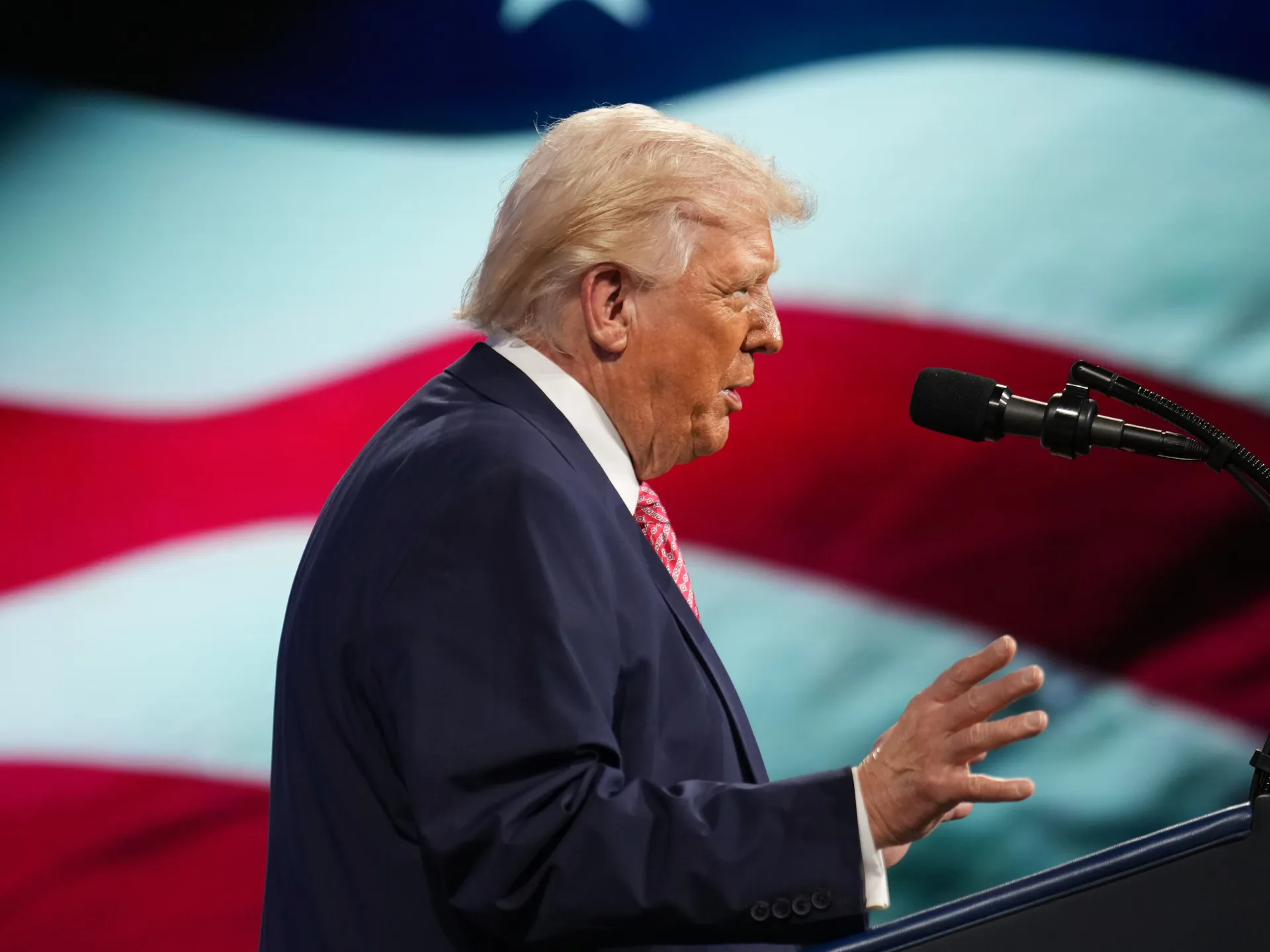

The escalation of US-Israeli military operations against Iran’s nuclear infrastructure, as highlighted in Trump’s rhetoric, has intensified geopolitical instability in the Middle East and North Africa (MENA), triggering significant recalibration of sovereign and private capital flows. Governments in the region are accelerating defense budget allocations and investing in energy security initiatives to mitigate perceived existential threats. Simultaneously, sovereign wealth funds—particularly those of Gulf Cooperation Council (GCC) states—are diversifying investment portfolios away from Western assets, reinvesting domestically in regional infrastructure projects and tech-driven sectors to bolster economic resilience. This shift reflects a broader strategic pivot toward self-reliance, with capital deployment increasingly prioritizing cybersovereignty, energy diversification, and defense industrialization.
The conflict’s reverberations are reshaping venture capital ecosystems across the MENA region. While direct military spending dominates government budgets, private equity firms and GCC-backed venture capital funds are capitalizing on dislocation-driven opportunities in fintech, renewable energy, and cybersecurity. Startups in the region, particularly those leveraging blockchain and AI for decentralized governance or decentralized energy grids, are attracting heightened investor interest as tools to circumvent centralized bureaucratic systems and reduce exposure to external sanctions. However, access to global venture capital networks remains constrained by the dual pressures of Western ESG scrutiny and regional protectionist policies, creating bifurcated capital flows that favor local champions while limiting scalability for non-state actors.
Infrastructure development is becoming a frontline strategy for regional nations to signal stability amid turmoil. Saudi Arabia’s accelerated execution of its $500 billion NEOM megaproject, including the Coral Kingdom smart city and nuclear-powered desalination plants, illustrates efforts to anchor investor confidence through futuristic, tech-enabled solutions. Parallel initiatives in the UAE, such as the Dubai Canal expansion and Masdar City’s diversification, are being fast-tracked, leveraging state-backed financing vehicles to outpace privatized ventures in volatile economies. Nevertheless, logistical bottlenecks and geopolitical friction threaten to disrupt pan-Arab supply chains, particularly for critical minerals essential to renewable energy transitions, underscoring the region’s vulnerability to both internal mismanagement and external coercion.