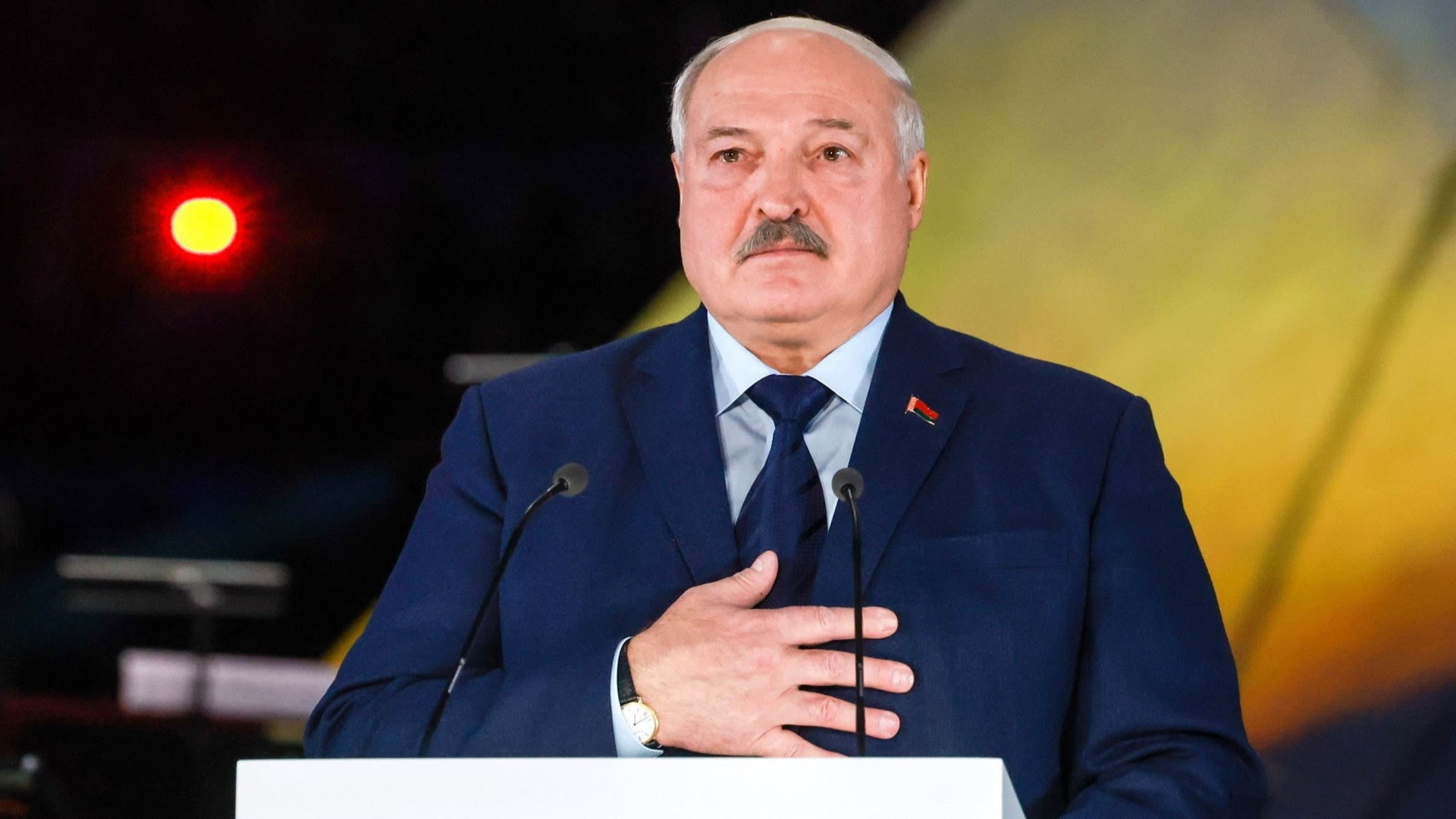

The recent overtures from the U.S. administration towards a traditionally non-conventional sovereign—currently a strategic partner in geopolitical contention—signal a crucial recalibration within the broader geopolitical and financial landscape of the Middle East and North Africa. While this apparent pivot underscores shifting alliances, its true ramifications extend deeply into the realm of sovereign capital flows, venture capital investments, and the strategic prioritization of regional infrastructure. In an environment where state-backed financing now dictates the trajectory of economic development, any recalibration of external diplomatic engagement directly impacts the flow of capital, institutional trust, and the continent’s evolving market dynamics.
Crucially, this shift reverberates across the investment ecosystem, compelling sovereign wealth funds and private equity entities to reassess their strategic footprints in a region increasingly defined by nationalist realignments and technological transformation. As institutional investors align with emerging governance models, the zone of financial influence is gradually redrawn, with both risk appetite and catalytic power evolving in tandem. The financial sector must now navigate this recalibrated terrain with heightened foresight, ensuring that emerging partnerships do not compromise regional stability or long-term capital preservation.
Simultaneously, venture capital activity is being redirected, as technologists and entrepreneurs seek engagement with partners more attuned to the region’s regulatory environment and strategic ambitions. The Middle East and North Africa continue to emerge as critical nodes in the global tech value chain, and their ability to attract and retain capital now hinges on diplomatic consistency and the promise of structured, sustainable partnerships. The regional infrastructure push—particularly in energy transitions and digital transformation—remains a cornerstone of this reordering, with sovereign capital increasingly channeling resources toward projects that align with both economic and geopolitical imperatives.
In this context, the interplay between foreign policy and financial strategy becomes a decisive determinant of opportunity and risk across the MENA corridor. Investors and financiers must remain acutely attuned to these shifts, recognizing that the compass of regional development is being steered by the balance of power, the integrity of partnerships, and the pace of technological advancement.