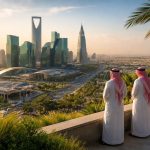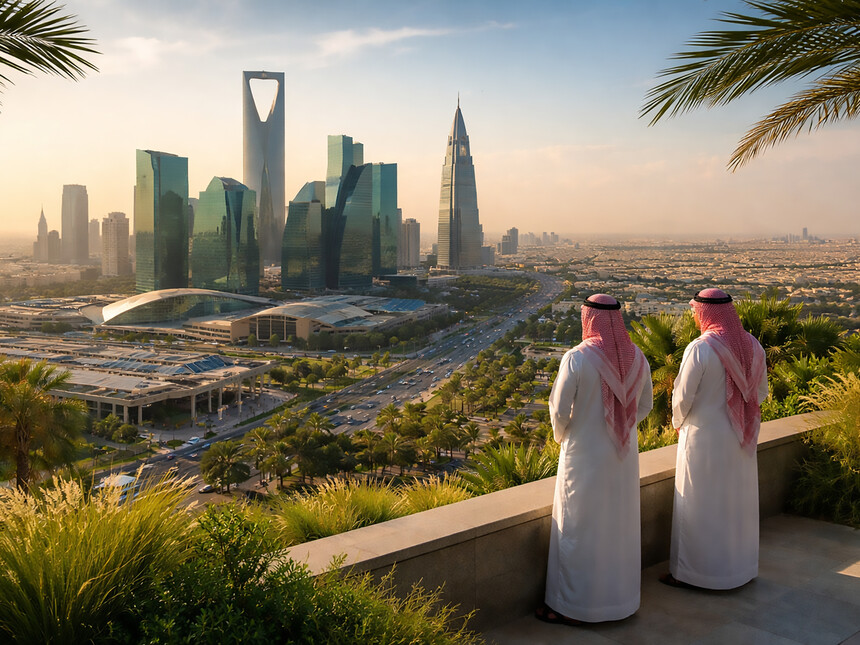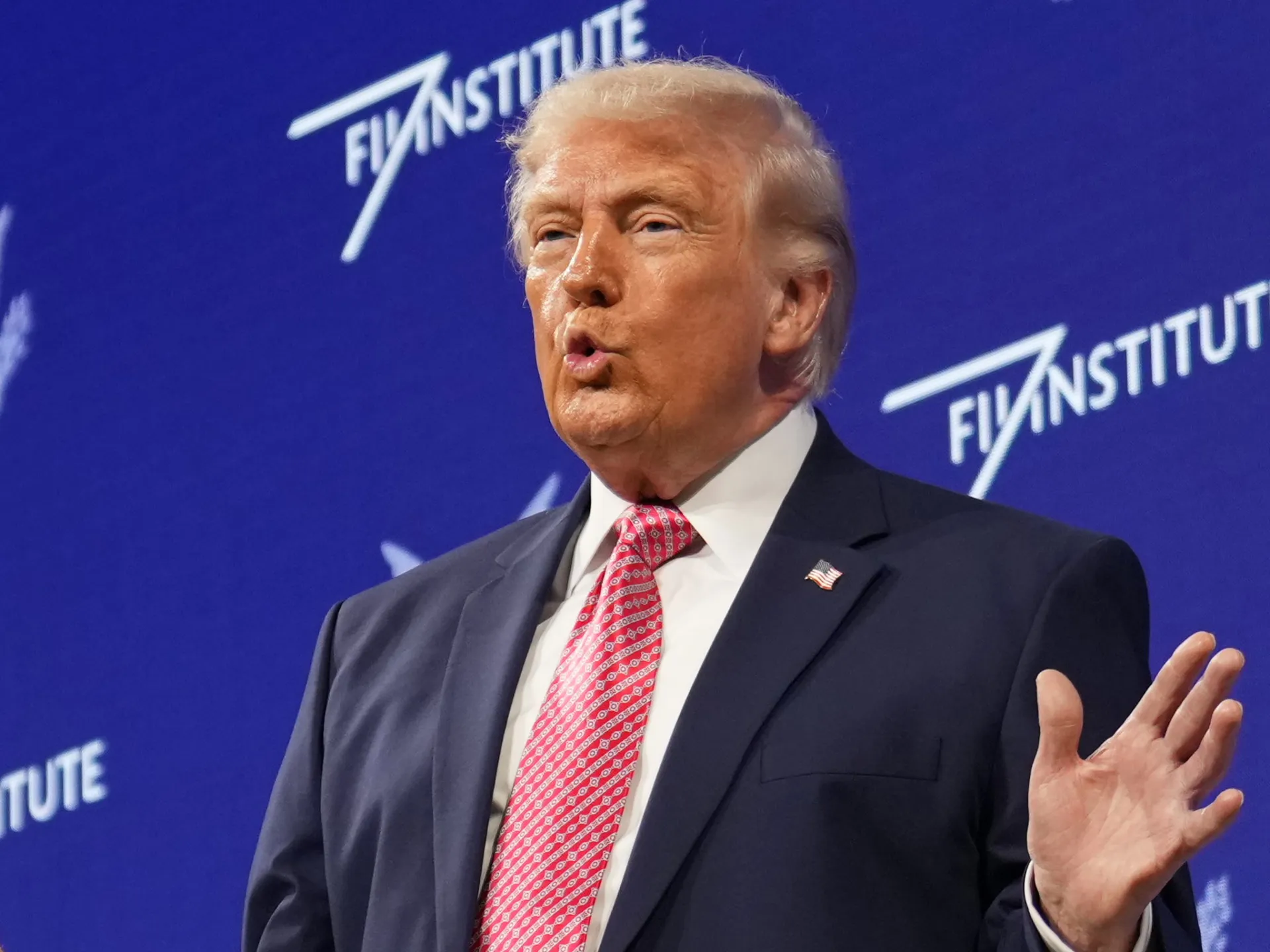

The former U.S.president’s explicit threat of a military strike against Cuba, delivered at a high‑profile Saudi investment forum, sends a clear signal that geopolitical volatility surrounding the Caribbean nation is unlikely to subside. For sovereign wealth funds and institutional investors watching the Middle East and North Africa (MENA) arena, this development reinforces a broader pattern of heightened risk assessment when evaluating exposure to Caribbean or similarly peripheral markets.
From a sovereign capital perspective, the incident is expected to tighten the risk premium on any portfolios that incorporate Cuba‑linked assets or speculative ventures that could be indirectly affected by U.S. policy shifts. Analysts at major MENA‑based funds anticipate a reallocation of capital toward more stable Gulf Cooperation Council (GCC) projects, with a corresponding slowdown in new commitments to Caribbean‑centric private equity or infrastructure vehicles. The move also underscores the importance of geopolitical due diligence as a prerequisite for sovereign‑fund allocations, especially in a region where political risk can cascade across asset classes.
Venture capital dynamics in the MENA ecosystem are likely to be shaped by this heightened caution. Limited partners are expected to press for more granular exposure limits and stricter governance safeguards when co‑investing with firms that have any tangential ties to Cuban markets. Consequently, cross‑border VC deals may gravitate toward sectors such as renewable energy, fintech, and logistics that are less susceptible to diplomatic upheavals, while capital inflows into high‑beta, market‑specific bets are likely to contract.
Finally, the geopolitical fallout amplifies the urgency for MENA governments to accelerate sovereign‑backed infrastructure projects that enhance regional resilience and reduce reliance on volatile external markets. By prioritising mega‑projects in transportation, renewable power, and digital connectivity, regional authorities can lock in capital flows that are insulated from geopolitical shocks and position the bloc as a more attractive alternative for global investors seeking stable returns amidst an increasingly fragmented global landscape.