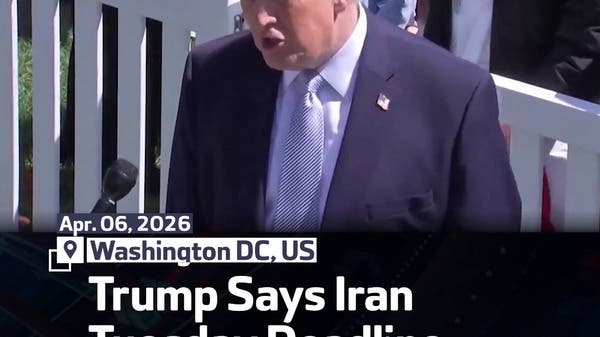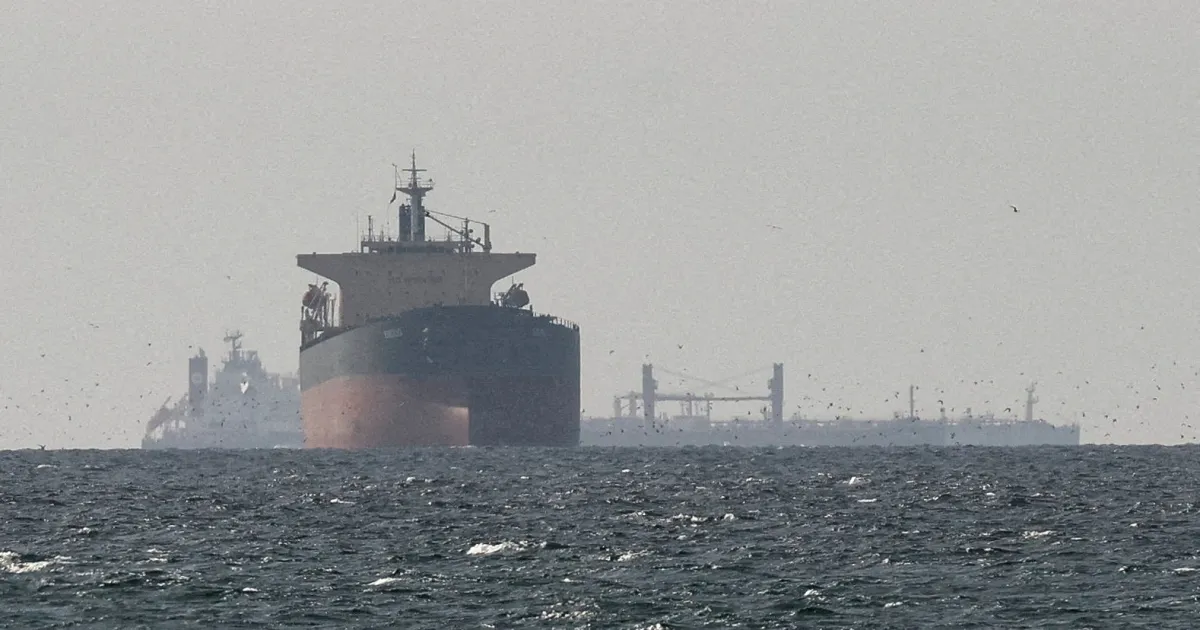

The proposed imposition of aU.S. toll on the Strait of Hormuz represents a seismic shift with profound implications for MENA sovereign capital, regional infrastructure, and venture capital flows. President Trump’s assertion that the U.S. “won” the conflict positions Washington as seeking direct financial extraction from the vital maritime chokepoint, potentially reversing decades of established navigational regimes. Such a toll would immediately escalate transit costs for oil and LNG, the lifeblood of the region’s economy. MENA sovereign wealth funds, heavily reliant on predictable hydrocarbon revenue streams, face increased pressure. Investments in downstream energy processing and petrochemicals, often structured to capitalize on stable Gulf exports, could suffer from diminished returns and heightened volatility. Furthermore, the security calculus surrounding these investments would intensify, as direct U.S. military control over Hormuz introduces new geopolitical risks potentially impacting infrastructure assets throughout the Gulf littoral.
The toll proposal directly challenges existing frameworks for managing the strait’s critical infrastructure. Approximately 20% of global seaborne oil and LNG traversed Hormuz pre-war, making it a cornerstone of the MENA economic ecosystem. Iranian proposals for new arrangements and tolls underscore a regional power struggle over revenue rights and infrastructure governance. This instability threatens the planned expansion and modernization of regional ports, pipelines, and energy terminals, projects heavily backed by sovereign capital. Venture capital, traditionally focused on tech and diversification, may also be diverted towards infrastructure security solutions or alternative energy routes (like East-West pipelines or expanded LNG terminals outside Hormuz), but these face immense logistical and capital hurdles. The uncertainty could freeze significant infrastructure investment, hampering long-term regional economic diversification efforts.
For MENA sovereign funds, the prospect of a U.S. toll represents not just increased operational costs but a potential renegotiation of the entire regional energy security architecture. Funds invested in joint ventures or infrastructure projects may now need to incorporate new risk premiums to account for potential disruptions and altered cost structures. This could dampen appetite for new long-term infrastructure ventures, favoring instead assets perceived as less vulnerable to geopolitical shocks, such as onshore processing facilities or pipelines in more stable jurisdictions, but even these face security implications. Venture capital focused on MENA technology and innovation might find itself collateral damage, as reduced sovereign investment across the broader energy and logistics value chain could limit the pool of funds available for supporting startups in related sectors, from logistics tech to renewable energy integration.
Ultimately, this potential toll regime escalates the strategic importance of the Strait beyond its economic role, transforming it into a high-stakes geopolitical financial instrument. MENA sovereign wealth funds must now urgently reassess exposure to Hormuz-dependent infrastructure and energy exports, potentially seeking greater diversification into non-oil sectors and alternative energy corridors. The venture capital landscape, already navigating the region’s economic transition, faces headwinds from heightened uncertainty; funds may prioritize projects with lower geopolitical exposure or stronger alignment with energy transition narratives, albeit within a constrained investment climate. The stability and future profitability of the entire MENA energy-industrial complex now hinges critically on navigating the complex interplay of U.S. policy, regional sovereignty, and the enduring strategic value of the Hormuz chokepoint.