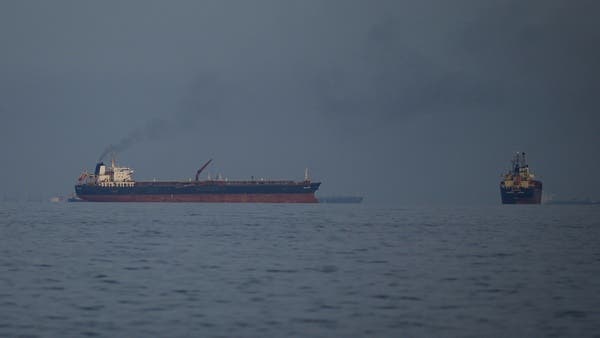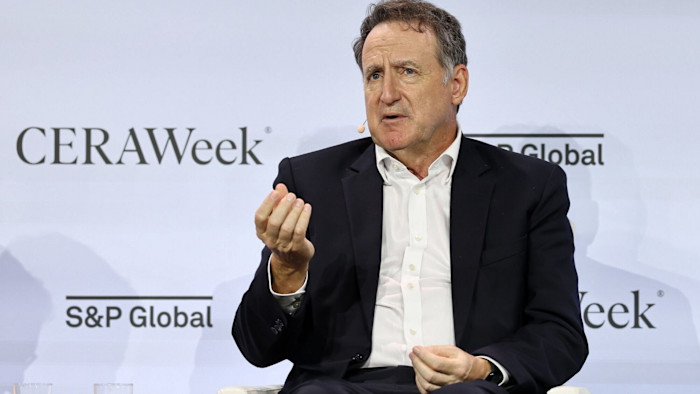

Executives at the world’s premier energy forum warned that the United States’ erratic foreign‑policy swings—particularly the abrupt decision to heighten tensions with Iran—have injected fresh volatility into crude markets, threatening the multiyear investment horizon that Gulf sovereign wealth funds have built around stable oil‑price expectations. The prospect of a prolonged closure or intermittent disruption of the Strait of Hormuz, through which roughly one‑fifth of global oil supplies transit, has prompted Saudi Arabia’s Public Investment Fund, Abu Dhabi’s Mubadala and Qatar Investment Authority to reassess the risk premia embedded in their upstream portfolios and to accelerate diversification into downstream refining, petrochemicals and hydrogen projects that are less exposed to choke‑point volatility.
Heightened policy uncertainty in Washington is also reshaping the calculus for venture‑capital investors active across MENA’s emerging energy‑tech ecosystem. Fund managers noted that the combination of tariff‑driven supply‑chain disruptions and the administration’s fluctuating stance on renewable‑energy permitting makes it difficult to model long‑term returns on capital‑intensive ventures such as utility‑scale solar, battery storage and green‑hydrogen electrolyzers. Consequently, several Gulf‑backed VC platforms are shifting early‑stage allocations toward modular, quickly deployable solutions—like distributed solar‑plus‑storage microgrids and AI‑optimised oil‑field analytics—that can generate cash flow within 12‑24 months, thereby insulating limited partners from policy‑driven market swings.
On the infrastructure front, industry leaders stressed that the current geopolitical climate amplifies the strategic importance of alternative export routes and intraregional connectivity. Investments are being fast‑tracked in the UAE‑Oman crude‑pipeline link, the Saudi‑Iraq‑Jordan oil‑corridor, and expanded LNG regasification capacity at Kuwait’s Al‑Zour and Qatar’s Ras Laffan terminals, all aimed at bypassing Hormuz‑related risk. Sovereign wealth entities are earmarking capital to co‑finance these corridors, viewing them not only as risk‑mitigation tools but also as platforms to capture value‑added logistics and transit fees, thereby reinforcing the region’s role as a resilient hub for global energy flows despite ongoing policy turbulence in the United States.