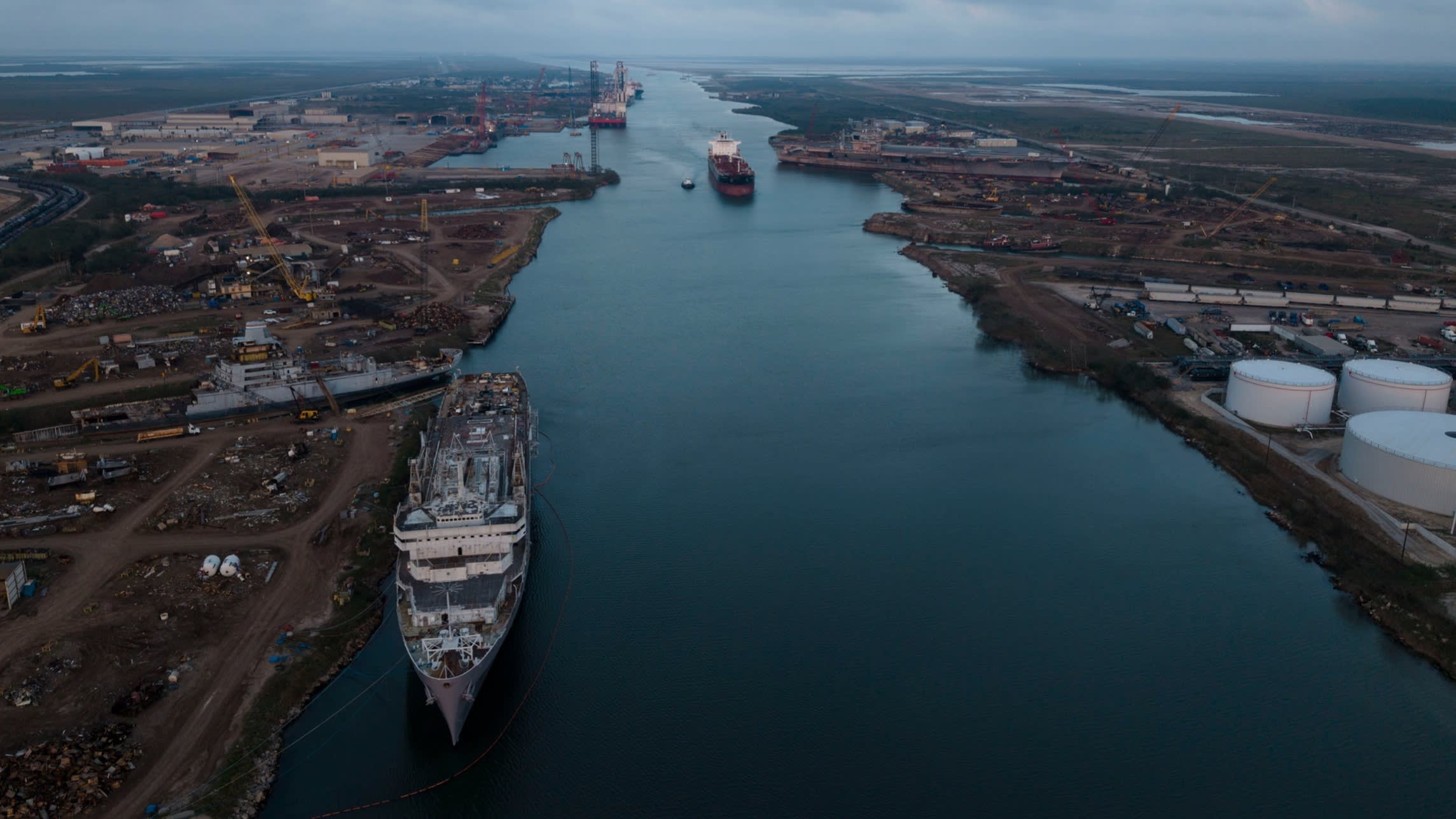

The reported expansion of Reliance Industries’ operations in Brownsville, Texas, while currently unconfirmed by the company, carries significant implications for the broader Middle East and North Africa (MENA) region. Beyond the immediate economic activity generated in the US, such a move signals a strategic diversification by a global industrial powerhouse. This has ripple effects for regional investment flows, particularly concerning sovereign wealth funds seeking stable, high-yield opportunities outside of traditional markets. A successful establishment of this venture could incentivize further outbound investment from MENA, potentially challenging established trade relationships and fostering new partnerships in sectors like petrochemicals and manufacturing.
The potential capital requirements for a project of this scale underscore the ongoing importance of both sovereign and venture capital in driving industrial growth across the MENA region. While regional sovereign funds have historically focused on domestic infrastructure and strategic acquisitions, the prospect of attracting investment in advanced manufacturing necessitates a reassessment of risk profiles and investment horizons. Further, the project highlights a crucial opportunity for regional venture capital firms to develop expertise in international expansion and cross-border investment, providing support to companies seeking to replicate Reliance’s successful model. The need for specialized financial services and project financing will almost certainly fuel growth within the regional fintech sector.
A key, often overlooked, consequence is the indirect impact on regional infrastructure development. Increased demand for logistical support – shipping, port facilities, and transportation networks – as a result of expanded trade with the US could necessitate significant upgrades to existing infrastructure in countries bordering the Gulf of Mexico and beyond. This necessitates strategic regional coordination on infrastructure projects to efficiently handle increased cargo volumes. Furthermore, the project underscores the growing importance of digital infrastructure, particularly for managing complex supply chains and facilitating international transactions. Countries investing in 5G networks and advanced data management platforms will be better positioned to capture the benefits of this evolving global trade landscape.
Ultimately, while Reliance’s project remains unconfirmed, the potential business impact is substantial. This potential expansion represents a tangible example of the evolving global industrial landscape and offers a critical testing ground for MENA nations looking to enhance their economic resilience and solidify their position in the global value chain. The successful execution – or even the pursuit – of such endeavors will shape investment strategies, necessitate infrastructure modernization, and accelerate the adoption of advanced technologies across the region. Regional policymakers must proactively identify and address these implications to capitalize on emerging opportunities and mitigate potential risks associated with increased global competition.