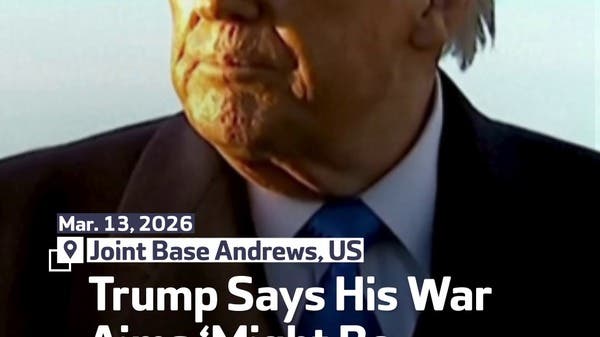

Former President Donald Trump’s suggestion that his approach to the Middle East conflict could diverge markedly from Prime Minister Benjamin Netanyahu’s strategy introduces a new layer of geopolitical uncertainty that investors across the region are already pricing in. A shift in U.S. posture—whether toward a more restrained military involvement or a recalibrated diplomatic push—has immediate ramifications for risk premia on sovereign bonds, equity valuations, and the cost of capital for firms operating in Israel, the Gulf Cooperation Council, and North Africa. Market participants are likely to demand higher yields on Israeli government securities and reassess exposure to sectors directly tied to defense spending, while simultaneously seeking safe‑haven assets in Gulf sovereign wealth funds that may benefit from any de‑escalation.
Sovereign capital, particularly the large investment arms of Abu Dhabi, Saudi Arabia, and Qatar, is poised to react swiftly to any change in the U.S.‑Israel dynamic. These funds have already been diversifying away from concentrated geopolitical bets, increasing allocations to infrastructure, renewable energy, and technology ventures that promise stable, long‑term returns. A perceived softening of U.S. support for hardline Israeli policies could accelerate capital inflows into North African infrastructure projects—such as Egypt’s Sinai development and Morocco’s ports—as investors look for corridors that reduce reliance on volatile Levantine supply chains. Conversely, a harder U.S. line might trigger a temporary pullback from Levant‑focused venture capital, prompting funds to hedge by increasing co‑investment with European and Asian partners.
For the region’s venture capital ecosystem, the implications are two‑fold. Early‑stage startups in cybersecurity, fintech, and health tech—sectors that have thrived on cross‑border collaboration with Israeli firms—may face heightened due‑diligence scrutiny as investors reassess the sustainability of those partnerships under a potentially altered U.S. stance. At the same time, the uncertainty could spur a wave of domestic innovation, with Gulf‑backed accelerators and sovereign‑backed funds directing more capital toward home‑grown solutions that mitigate external supply‑chain risks, such as local semiconductor design, water‑tech, and agri‑tech. Infrastructure investors, meanwhile, are likely to prioritize projects that enhance regional connectivity—rail links, digital backbones, and energy grids—thereby reducing the strategic importance of any single flashpoint and creating a more resilient economic foundation for the MENA bloc.