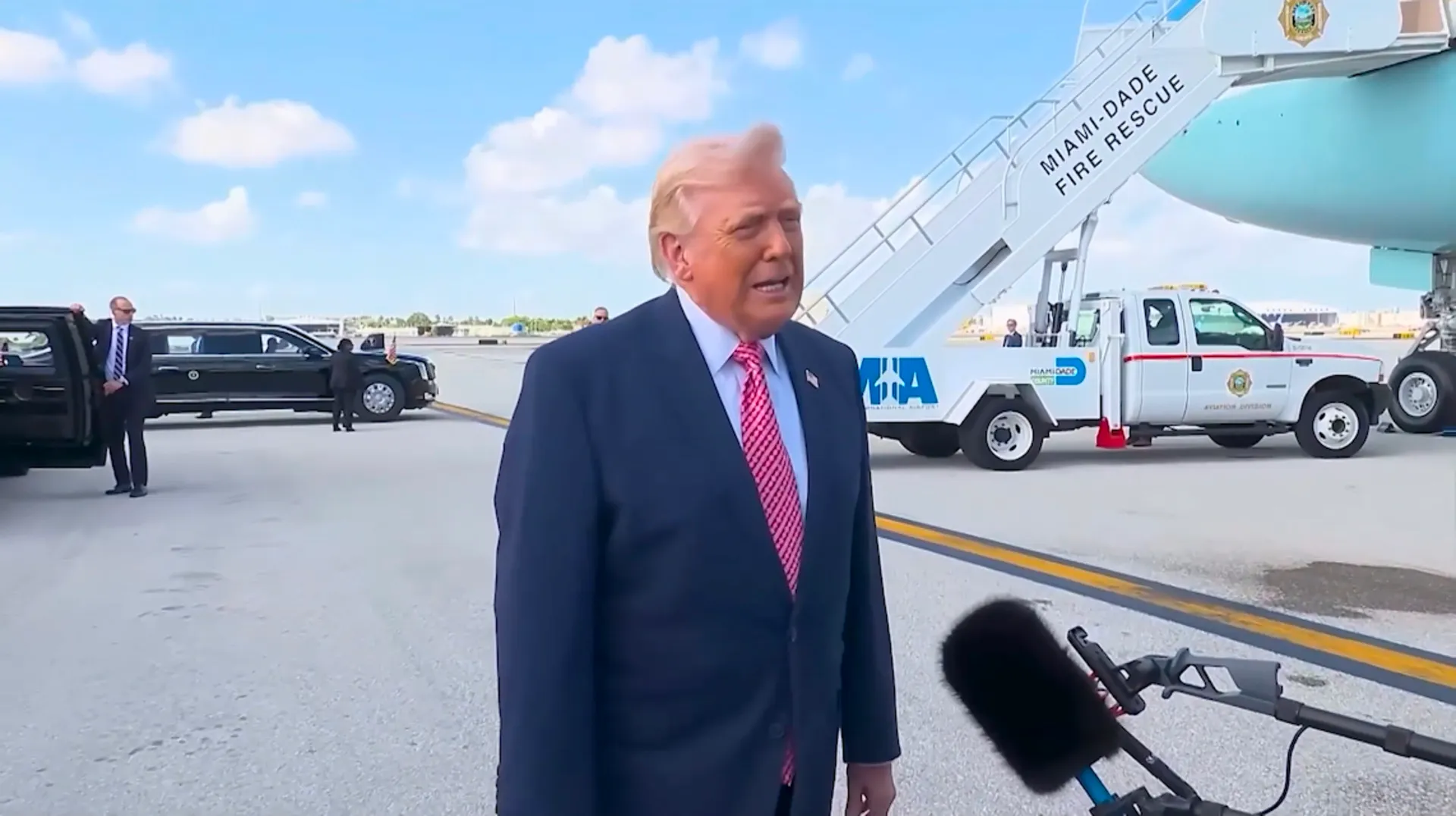

President Trump’s assertion that “Iran is being decimated” and his emphasis on ongoing talks with Tehran carry profound implications for the Middle East and North Africa’s economic landscape. Geopolitical volatility, exacerbated by U.S.-Iran tensions, threatens to destabilize regional markets and disrupt investor confidence. While Gulf Cooperation Council (GCC) states and North African economies have historically balanced economic engagement with Tehran, escalating hostilities could force a reconfiguration of regional supply chains, energy trade dynamics, and infrastructure investments. For instance, Gulf nations reliant on Chinese and Russian energy partnerships to offset Iranian commodities may face renewed pressure to realign their sovereign credit profiles, particularly as Western sanctions risk complicating debt restructuring efforts in countries like Egypt and Lebanon. The interplay between military posturing and economic policy underscores the fragility of capital flows—a critical concern for an energy-export-dependent region already grappling with low oil prices and heightened debt burdens.
Sovereign capital markets in the MENA region are likely to experience heightened volatility as U.S.-Iran tensions recalibrate risk appetite. Gulf states, including Saudi Arabia and the UAE, which have leveraged their oil wealth to underpin sovereign reserves, may face increased scrutiny over fiscal sustainability if conflict disrupts energy exports. North African economies, such as Algeria and Morocco, could see elevated borrowing costs as international investors reassess exposure to politically fraught jurisdictions. Meanwhile, Iran’s potential access to Western capital markets—should negotiations succeed—would hinge on its ability to demonstrate transparency and adherence to sanctions compliance, a process complicated by entrenched international distrust. The situation risks amplifying capital flight from high-risk MENA markets, further straining foreign exchange reserves and exacerbating pressures on central banks to defend currency parity amid broader macroeconomic instability.
The venture capital (VC) ecosystem in the MENA region, while nascent compared to global hubs, has garnered momentum through sovereign-backed initiatives like Saudi Arabia’s Public Investment Fund (PIF) and the UAE’s strategic investments in fintech and renewable energy. However, escalating U.S.-Iran tensions could divert attention from these growth sectors toward short-term security concerns, dampening private equity inflows. For example, cross-border VC deals involving Iranian-linked entities—or even those operating in regions adjacent to U.S.-Iran flashpoints—may encounter stricter due diligence, stifling innovation in taut economies like Lebanon and Iraq. Conversely, de-escalation could unlock opportunities for U.S. and European investors to re-engage with Persian Gulf risk arbitrage plays, particularly in logistics and defense infrastructure, sectors poised to benefit from prolonged geopolitical competition.
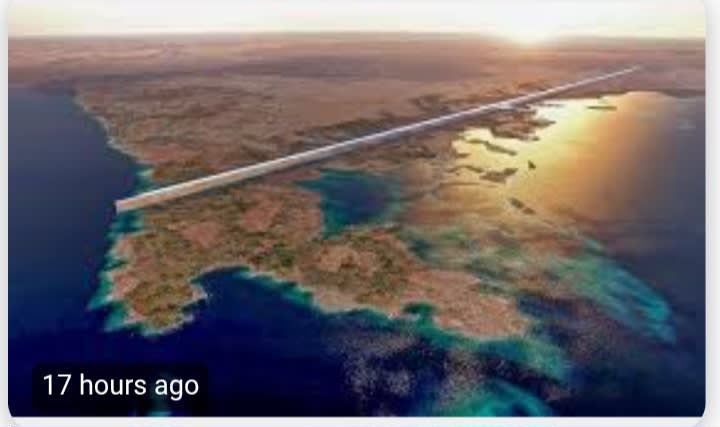
Regional infrastructure development, a linchpin of MENA’s long-term growth strategy, stands at a critical juncture. Gulf states’ ambitious megaprojects—ranging from NEOM in Saudi Arabia to the GCC’s proposed inter-country transport networks—rely heavily on stable geopolitical conditions to attract foreign investment and manage construction costs. Escalating U.S.-Iran confrontations threaten to fracture regional consensus on infrastructure priorities, particularly in North Africa, where projects like the Morocco-Algeria high-speed rail link and the Cairo-Lagos transcontinental corridor could face funding bottlenecks. Simultaneously, strained U.S.-Iran relations may accelerate Gulf states’ pivot toward Chinese and Russian financing channels, reshaping regional alignment with Beijing’s Belt and Road Initiative. While this could unlock alternative capital sources, it risks deepening debt dependencies and prioritizing short-term geopolitical symbolism over sustainable economic diversification.