
The ongoing military engagement in the Middle East, initiated by escalating tensions between Iran and Israel, presents a complex and rapidly evolving landscape with significant implications for the region’s financial markets, sovereign wealth, and infrastructure development. While US President Trump’s recent pronouncements suggest a potential drawdown of military operations, this narrative is counterbalanced by a continued deployment of additional personnel and a request for substantial congressional funding, indicating a protracted and multifaceted conflict. This ambiguity creates uncertainty for regional investment flows and necessitates a cautious assessment of near-term economic prospects.
The business impact extends beyond immediate market volatility, currently evident in fluctuations in oil prices and broader stock market responses. The lifting of sanctions on Iranian oil, while intended to mitigate rising fuel costs, carries risks for international trade and supply chain dynamics. Sovereign wealth funds across the MENA region are closely monitoring these developments, assessing potential disruptions to energy markets and the geopolitical stability underpinning their investments. The conflict underscores the vulnerability of regional infrastructure, particularly energy facilities, highlighting the urgent need for enhanced cybersecurity and physical security measures. Furthermore, the protracted nature of the conflict may divert resources away from crucial development projects, potentially hindering long-term economic growth.
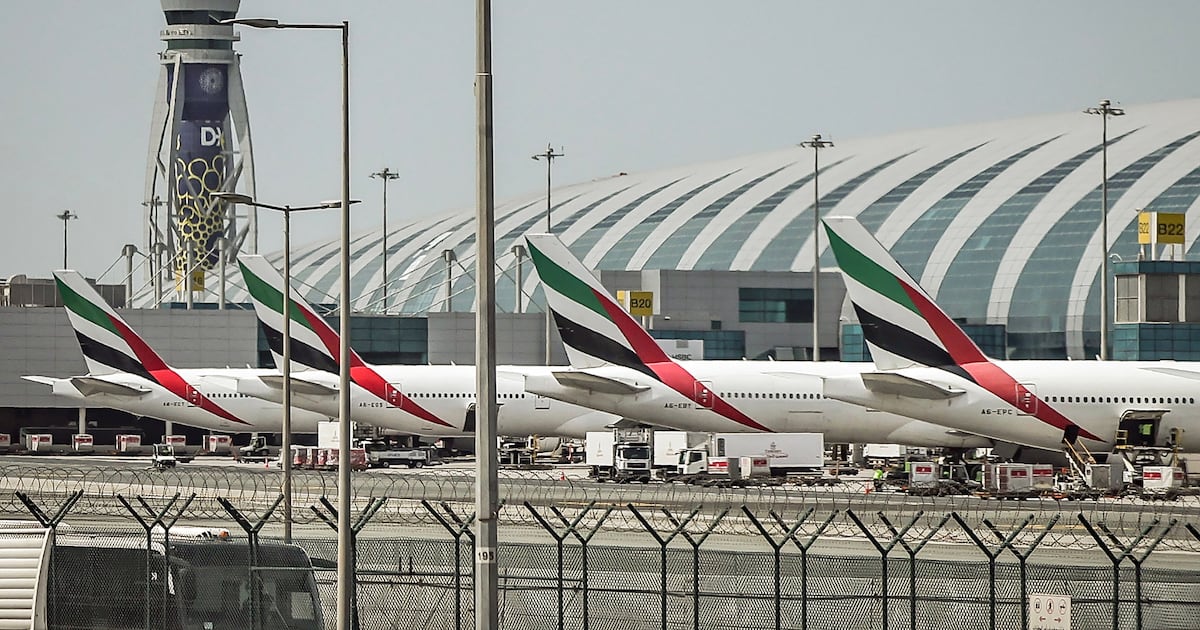
From a venture capital perspective, the regional focus is shifting towards resilience and security-related technologies. Increased investment is likely to flow into areas such as defense technology, cybersecurity solutions, and critical infrastructure protection. However, the overall investment climate remains subdued due to the heightened geopolitical risk. The long-term implications for regional infrastructure are profound. The conflict’s impact on transportation networks, energy grids, and communication systems requires immediate attention and substantial investment in remediation and futureproofing. Beyond immediate recovery, this event emphasizes the strategic imperative for diversifying regional economies away from reliance on volatile commodity markets and towards more sustainable, technology-driven sectors.
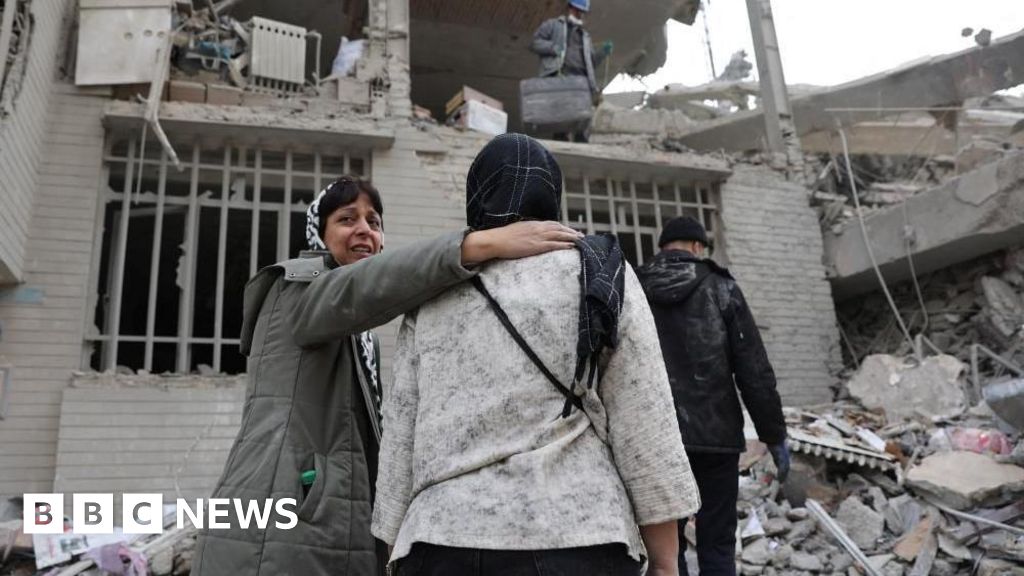
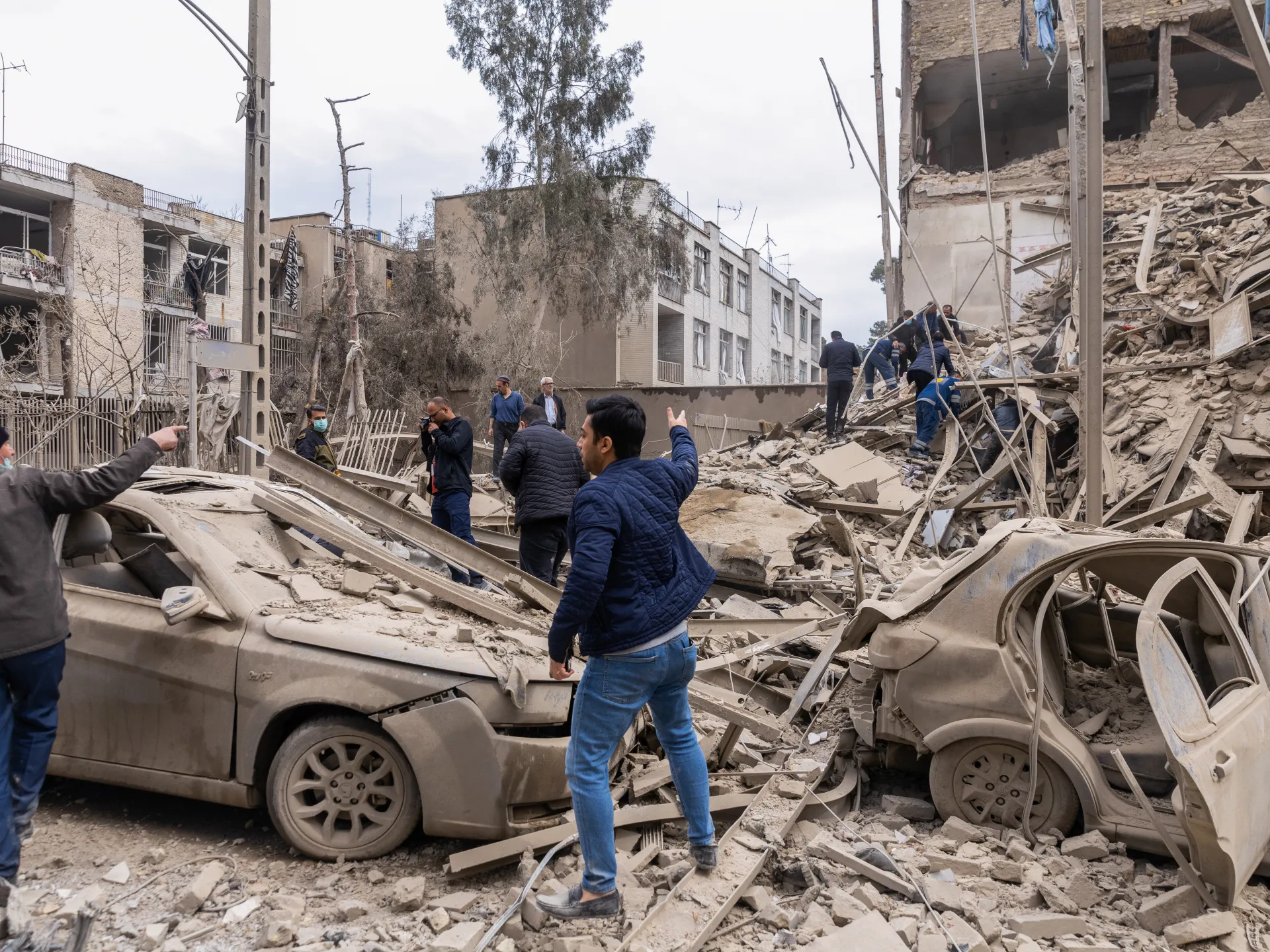
The evolving situation also necessitates a careful reassessment of regional infrastructure priorities. The vulnerability of critical infrastructure, exemplified by the attacks on Iranian and Saudi Arabian facilities, emphasizes the need for robust, resilient systems. Sovereign capital will likely be directed toward reinforcing existing infrastructure and developing new, hardened capabilities. Moreover, the conflict underscores the importance of regional collaboration on security and infrastructure development, potentially fostering new partnerships and investment avenues. The long-term narrative will be shaped by the conflict’s ultimate resolution and the strategic choices made by regional and international actors in the aftermath.