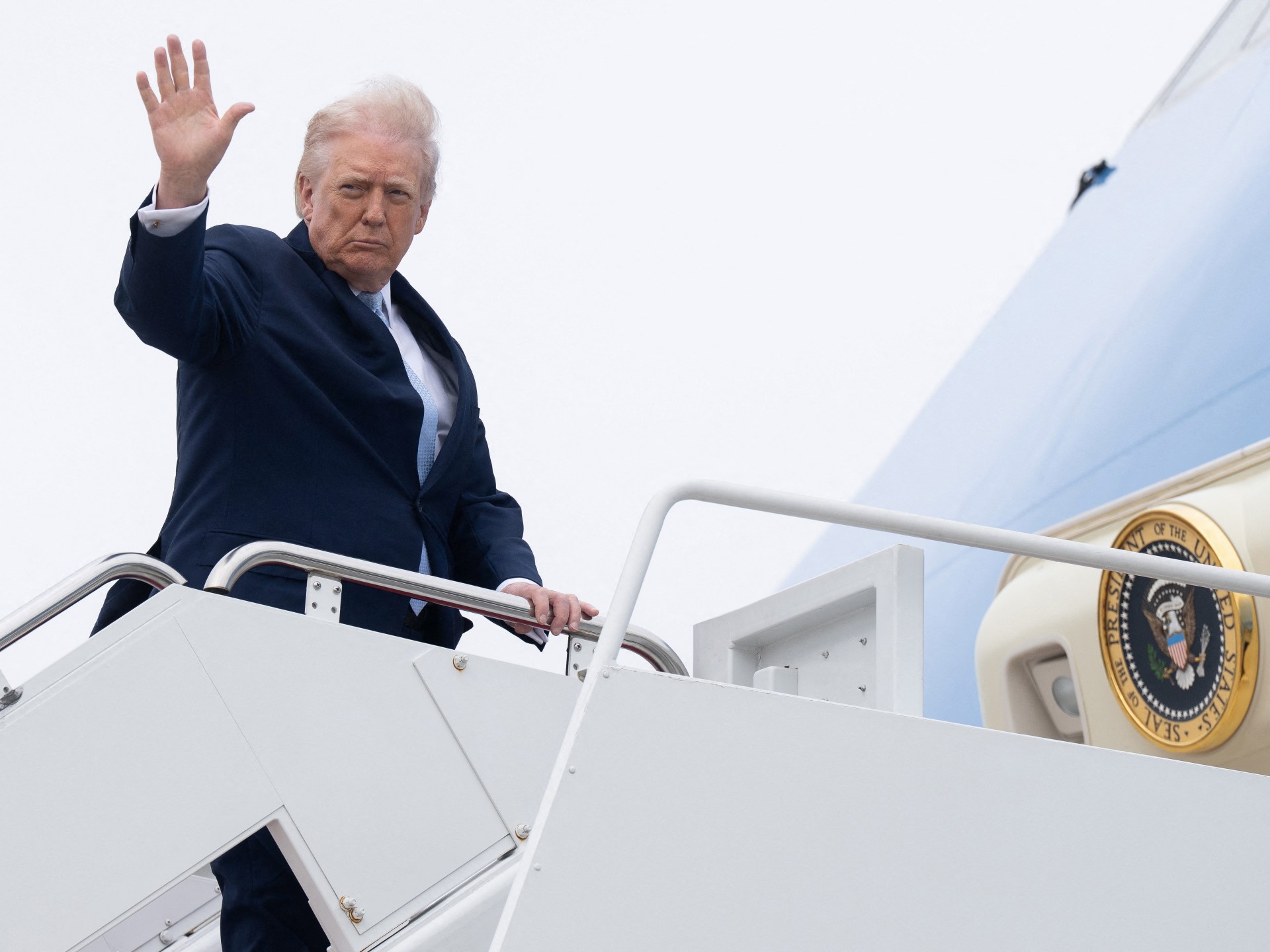

The recent escalation of rhetoric from the U.S. presidency regarding immigration enforcement, specifically the threat to deploy Immigration and Customs Enforcement (ICE) agents to airports and target Somali immigrants, carries significant implications for the Middle East and North Africa (MENA) region, extending beyond immediate domestic policy concerns. While the immediate impact is felt within the U.S. transportation security infrastructure due to the ongoing government shutdown and resulting staff shortages, the broader ramifications involve potential shifts in sovereign capital flows, venture capital investment patterns, and the perception of U.S. stability as a regional partner.
The targeting of Somali communities, coupled with the broader anti-immigration stance, risks exacerbating existing anxieties within the Somali diaspora and potentially destabilizing Somalia itself. Significant sovereign wealth funds (SWFs) from the GCC, notably those of Qatar and the UAE, have demonstrated increasing interest in Somali infrastructure projects and private sector development in recent years, recognizing the country’s potential for growth and strategic importance. A perceived deterioration in the U.S. commitment to Somali-American communities could trigger a reassessment of these investments, diverting capital towards more politically stable and predictable destinations. Furthermore, the heightened rhetoric could negatively impact the nascent Somali startup ecosystem, dampening venture capital interest from both regional and international sources. The potential for increased remittance flows back to Somalia, as diaspora communities react to perceived discrimination, also presents a complex economic dynamic.
From a regional infrastructure perspective, the U.S. policy shift introduces uncertainty into existing security partnerships. The U.S. has historically played a role in counter-terrorism efforts in the Horn of Africa, often collaborating with regional actors. A perceived shift towards unilateral action and a focus on domestic enforcement, rather than collaborative security initiatives, could create a vacuum that other global powers, including China and Russia, may seek to fill. This could lead to a reconfiguration of regional alliances and potentially undermine existing infrastructure projects reliant on U.S. security guarantees. The disruption to TSA operations, while primarily a domestic issue, also highlights vulnerabilities in critical infrastructure and could prompt similar assessments of security protocols across the MENA region, potentially leading to increased investment in enhanced security measures.
Ultimately, the current situation underscores the interconnectedness of U.S. domestic policy and its global impact. The instability created by the government shutdown and the aggressive immigration rhetoric not only damages the U.S.’s reputation as a reliable economic and political partner but also introduces significant risks for MENA economies reliant on U.S. investment and security cooperation. Sovereign wealth funds and venture capital firms operating in the region will be closely monitoring developments, factoring the evolving political landscape into their investment decisions and potentially recalibrating their strategies to mitigate exposure to U.S.-related risks.