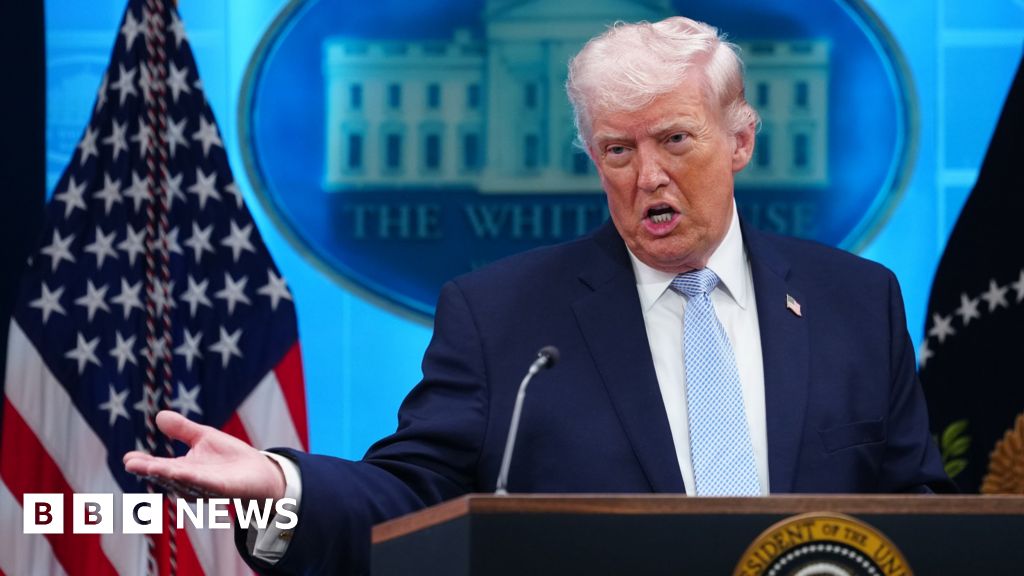

The U.S. President’s insistence that Tehran reopen the Strait of Hormuz by the Tuesday deadline injects significant geopolitical risk into the critical global energy nexus. This waterway, responsible for 20% of global oil trade, is not merely an operational chokepoint but a vital artery for the sovereign wealth funds and strategic reserves underpinning Gulf state stability. A disruption would instantly spike crude prices, directly impacting the fiscal health of energy-dependent nations and forcing accelerated diversification strategies. This crisis necessitates a reassessment of sovereign capital allocations, particularly as regional governments navigate the dual pressures of volatile oil revenues and the urgent imperative for economic reform. Venture capital flows, increasingly focused on energy transition technologies within the MENA region, could be further challenged by heightened energy price volatility and potential capital flight from sovereign investment vehicles seeking safer havens.
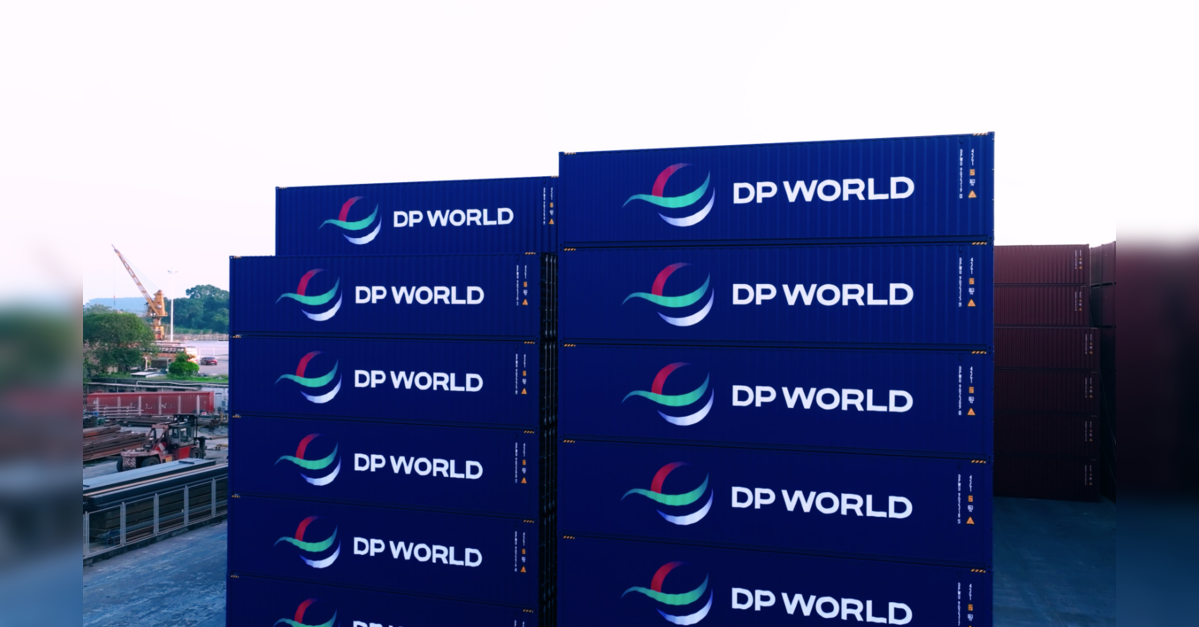
The strategic importance of the Strait amplifies the critical need for robust regional infrastructure resilience. Beyond immediate naval capabilities, this scenario underscores vulnerabilities in global supply chains that MENA ports facilitate. Sovereign funds and state-linked entities, which have historically invested in port modernization and logistics networks, face increased scrutiny regarding the security and efficiency of these assets. Any disruption risks not only immediate trade costs but also long-term damage to the credibility of infrastructure projects funded by sovereign capital, potentially deterring future international investment in regional ports and related logistics corridors. This moment demands a heightened focus on enhancing maritime security coordination and technological investments within port infrastructure, positioning sovereign capital towards solutions that safeguard these vital economic lifelines.
Consequently, the geopolitical standoff transcends immediate energy markets, impacting broader regional financial architecture. Sovereign wealth funds, already grappling with portfolio rebalancing towards growth-oriented sectors, may now prioritize hardening physical and digital infrastructure resilience as a core asset class. Venture capital, particularly in energy infrastructure and security technologies, could see a surge in activity, driven by both regional necessity and potential foreign investment seeking exposure to enhanced MENA security frameworks. This confluence of geopolitical risk, sovereign capital deployment, and infrastructure investment will significantly shape the region’s financial trajectory, demanding pragmatic, risk-mitigation focused strategies from policymakers and financial leaders in the coming weeks.