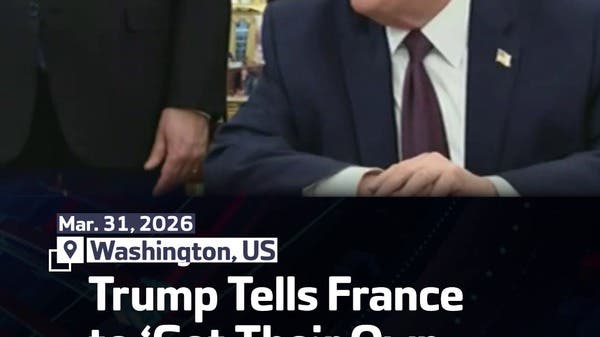

Donald Trump’s recent reiteration of demands for Gulf states, specifically referencing France’s reliance on Middle Eastern oil and suggesting sourcing via the Strait of Hormuz, underscores a persistent, if often rhetorically driven, tension regarding energy security and the evolving geopolitical calculus of the MENA region. While not a novel position for the former US President, the statement serves as a stark reminder of the potential for recalibrated security commitments and the consequent need for accelerated diversification strategies within regional economies. The business impact is immediate: increased risk premiums will be factored into energy contracts and insurance rates for shipping through the Strait, potentially driving up global oil prices and necessitating proactive hedging strategies for European consumers and industries.
More significantly, Trump’s comments will likely accelerate existing trends in sovereign wealth fund (SWF) investment. Gulf states, already heavily invested in securing alternative energy sources and building domestic refining capacity, will likely increase allocations towards energy infrastructure projects *outside* the immediate MENA theatre. Expect a surge in interest in strategic acquisitions of oil and gas assets in regions like Brazil, West Africa, and potentially even North America, coupled with increased funding for renewable energy initiatives globally. This isn’t simply about diversifying supply; it’s about diminishing strategic vulnerability and establishing independent energy pathways, reducing reliance on potentially volatile security guarantees. The UAE’s ADNOC, Saudi Aramco, and QatarEnergy are already demonstrating this shift, and this externalization of capital will intensify.
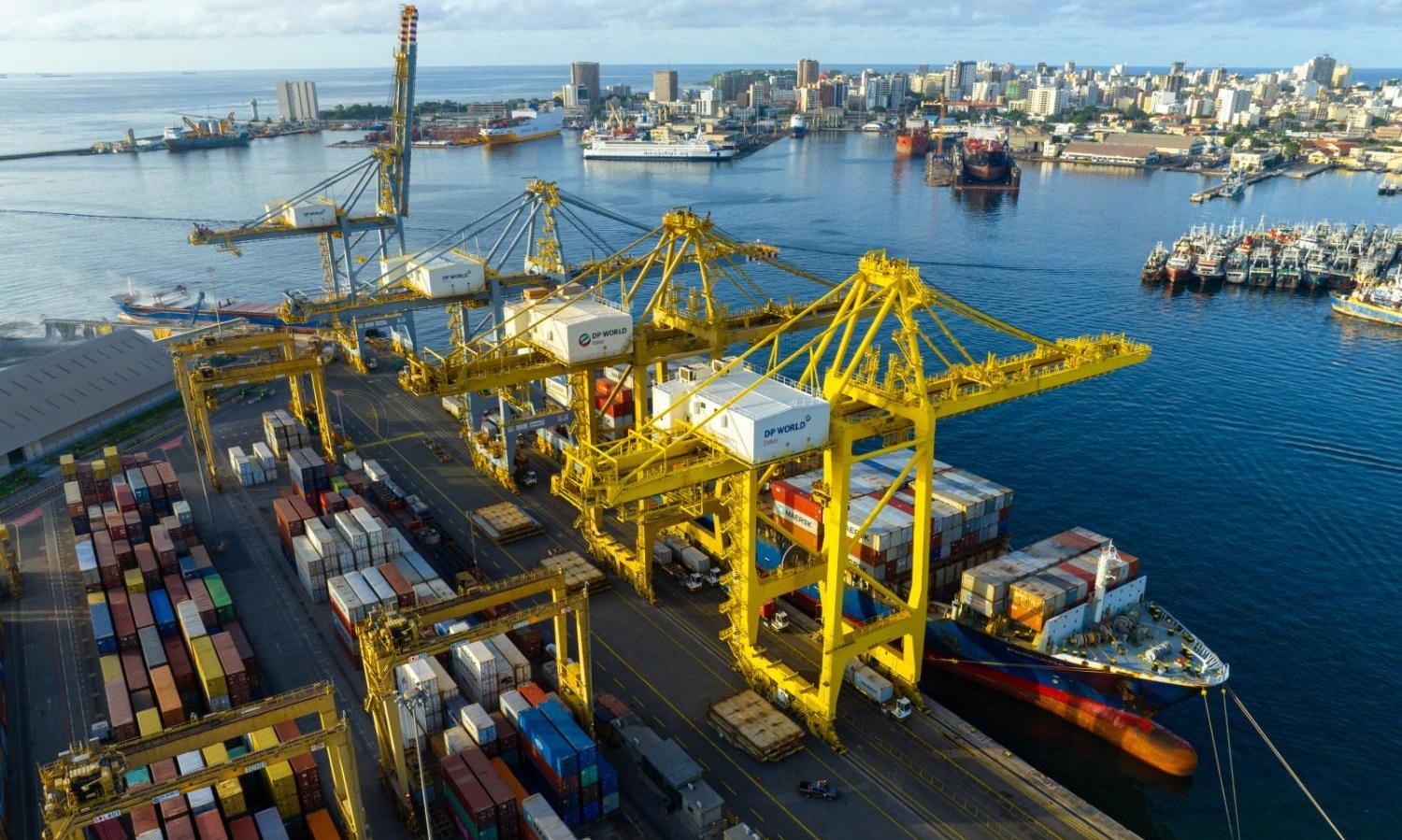
The implications for regional infrastructure are equally profound. The focus will sharpen on projects designed to enhance energy independence and intra-regional trade. This includes accelerated development of pipeline networks connecting Gulf producers to markets in South Asia and East Africa, bypassing the Strait of Hormuz altogether. Investment in petrochemicals and downstream industries will also be prioritized, adding value to hydrocarbon resources domestically rather than relying on crude oil exports. Furthermore, expect increased regional cooperation on cybersecurity infrastructure to protect critical energy assets from potential disruption, a vulnerability acutely highlighted by recent geopolitical events. Venture capital flows into energy technology – particularly solutions for enhanced oil recovery, carbon capture, and alternative fuels – will also see a boost, though scaling these technologies remains a significant challenge.
Ultimately, Trump’s statement, while largely symbolic, functions as a catalyst for pre-existing strategic imperatives. The MENA region is already undergoing a fundamental shift away from a purely hydrocarbon-dependent economic model. This incident will accelerate that transition, driving increased sovereign investment in global energy assets, a renewed focus on regional infrastructure development, and a heightened awareness of the need for robust energy security measures. The long-term effect will be a more diversified, resilient, and strategically independent MENA region, albeit one navigating a more complex and potentially fragmented global energy landscape.