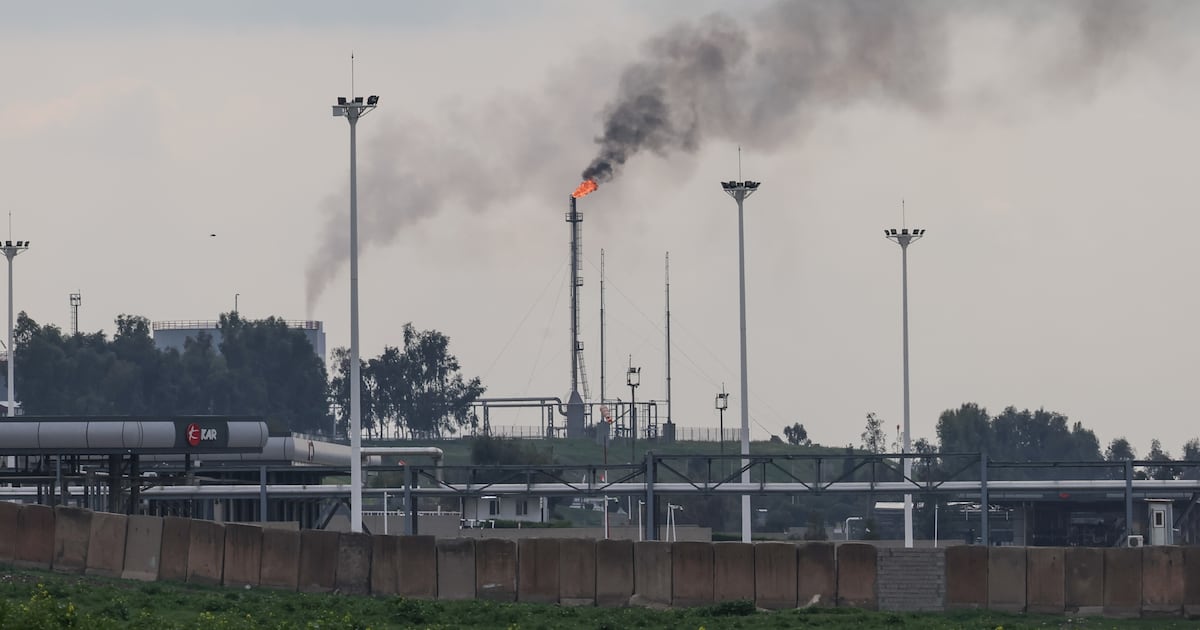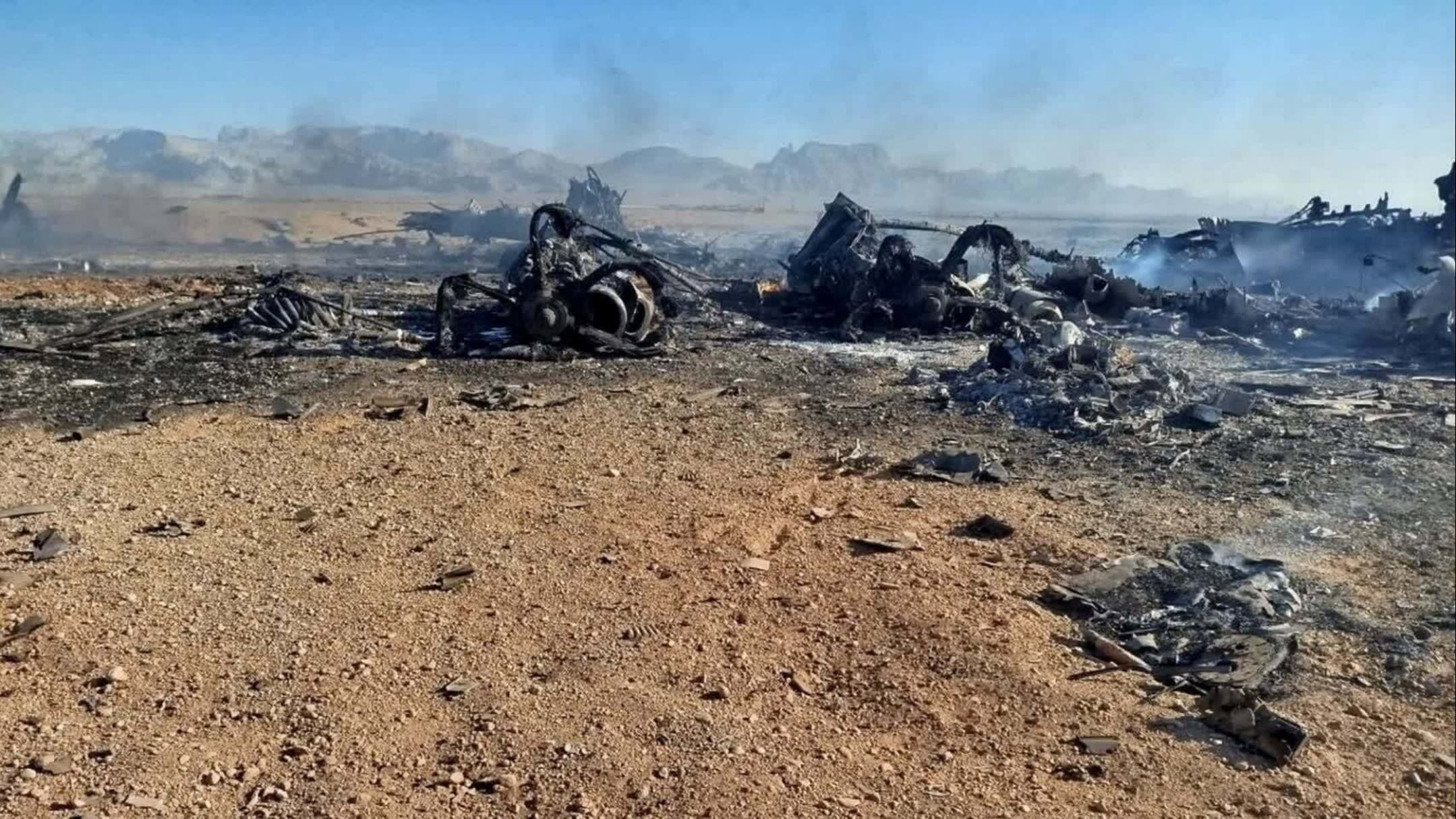

The six-week arc of conflict has pushed Brent crude above the $111 per barrel mark in early trade, underscoring the persistent sensitivity of global energy markets to regional instability. For the Middle East and North Africa, where hydrocarbons remain the economic backbone, such price movements signal both opportunity and risk. Elevated crude levels strengthen sovereign revenues in GCC states, potentially bolstering fiscal buffers and enabling the acceleration of mega-projects that align with long-term diversification agendas. However, the same volatility invites caution, as historic reliance on oil-linked windfalls often complicates capital allocation toward nascent tech ecosystems and private-sector-driven innovation.
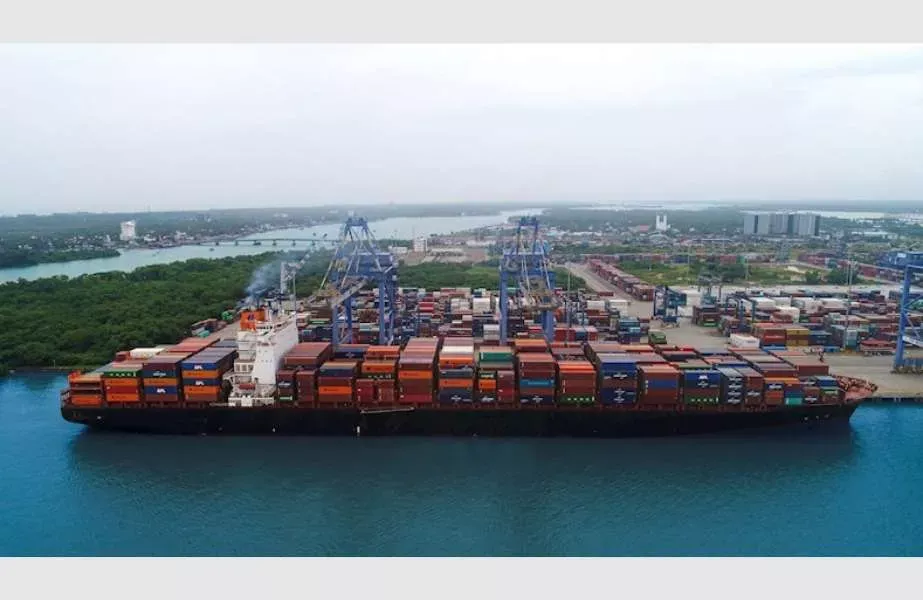
The surge in oil income could catalyze a sharper inflow of sovereign capital into venture markets, particularly in high-growth domains such as fintech, AI, and clean energy. Gulf Cooperation Council wealth funds have already signaled a pivot toward funding regional startups, and a stronger commodity cycle may expedite this capital deployment. This creates fertile ground for MENA-based entrepreneurs, provided that institutional frameworks mature to absorb and scale such investments efficiently. Infrastructure planning may also benefit, with increased funding for logistics hubs, digital networks, and manufacturing zones—projects that strengthen each country’s competitive position in global supply chains.
Yet, overreliance on hydrocarbon-driven liquidity risks perpetuating structural vulnerabilities, especially if global energy transitions accelerate beyond regional adaptation timelines. The true measure of capital efficiency will lie in how much of this windfall flows to technology-enabled sectors rather than traditional state-backed ventures. Regional governments must balance boosting near-term growth through oil-linked spending with cementing long-term resilience through strategic investments in human capital and digital infrastructure. The current price environment, while favorable, is a test of whether MENA can convert temporary market strength into sustainable, innovation-led economic diversification.