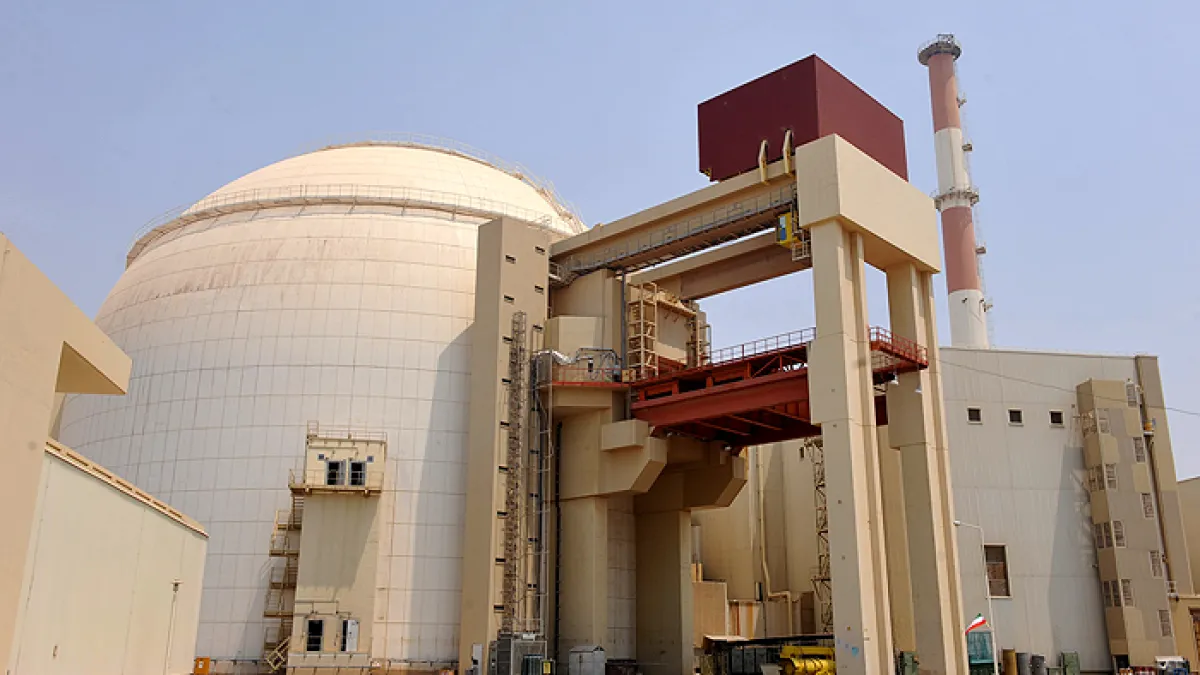

The immediate threat to Iran’s critical infrastructure—specifically its power grid and strategic bridges—carries profound implications for the Middle East and North Africa (MENA) region’s business landscape and sovereign financial stability. The destruction of key power plants, such as the Bushehr Nuclear Power Plant or gas-fired facilities supplying major cities like Tehran and Isfahan, would trigger a cascading economic shock. Iran’s industrial sector, which accounts for a significant portion of its GDP, relies on a centralized electricity grid that is already strained by aging infrastructure and sanctions-era underinvestment. The loss of even a single 2,000MW power plant, like Karun-3 Dam, could destabilize energy supplies to millions, forcing businesses to curtail operations or incur exorbitant costs for alternative energy solutions. This disruption would not only cripple domestic industries but also deter foreign direct investment (FDI) in sectors such as technology, manufacturing, and logistics, where reliable energy is a prerequisite. For sovereign capitals in MENA, Iran’s ability to service external debt or fund development projects could be severely compromised if its infrastructure is devastated, exacerbating fiscal vulnerabilities already heightened by declining oil revenues and geopolitical isolation. The Strait of Hormuz, a lifeline for global oil flows, further underlines the existential risk: a prolonged closure could spike energy prices, disproportionately affecting oil-importing MENA states and squeezing their sovereign balances.
The potential for escalated violence over infrastructure targets introduces a high-risk environment for venture capital (VC) and private sector engagement in the region. VCs operating in Iran or targeting MENA markets may face heightened uncertainty, as unpredictable attacks on critical assets could disrupt supply chains, amplify operational costs, and destabilize markets. Meanwhile, regional infrastructure projects—such as cross-border energy grids or digital infrastructure—might stall due to diverted priorities or security concerns. However, the crisis could also spur demand for resilient infrastructure technologies, such as decentralized energy solutions or cyber-physical security systems, creating niche VC opportunities. Neutral states in the region may leverage the turmoil to position themselves as alternative investment hubs, while existing sovereign wealth funds might reallocate capital toward sectors less exposed to geopolitical shocks. The vandalism of infrastructure also raises questions about the efficacy of international financial institutions in safeguarding regional assets, potentially reshaping the architecture of sovereign capital flows in the long term.
Regionally, the Iraq-Iran conflict’s spillover effects on infrastructure carry existential implications for MENA’s economic integration. The destruction of bridges, such as the B1 highway link near Tehran, would fragment transportation networks, increasing logistical costs and isolating industries from global markets. This could slow economic convergence within the region, as trade and investment clusters become more localized. For sovereign capitals, the scenario underscores the fragility of energy-dependent economies; Gulf Cooperation Council (GCC) states, for instance, may face renewed pressure to diversify energy partnerships if Hormuz remains a contested chokepoint. The environmental risks from nuclear facility strikes, such as radioactive contamination from Bushehr, add another layer of regional instability, potentially triggering humanitarian and diplomatic crises that divert sovereign resources toward crisis management. In this context, the MENA region’s long-term infrastructure resilience and sovereign fiscal health hinge on de-escalation and the ability to insulate critical assets from geopolitical brinkmanship. The stakes are not merely immediate—they redefine the strategic calculus for investors, governments, and businesses navigating an increasingly volatile landscape.